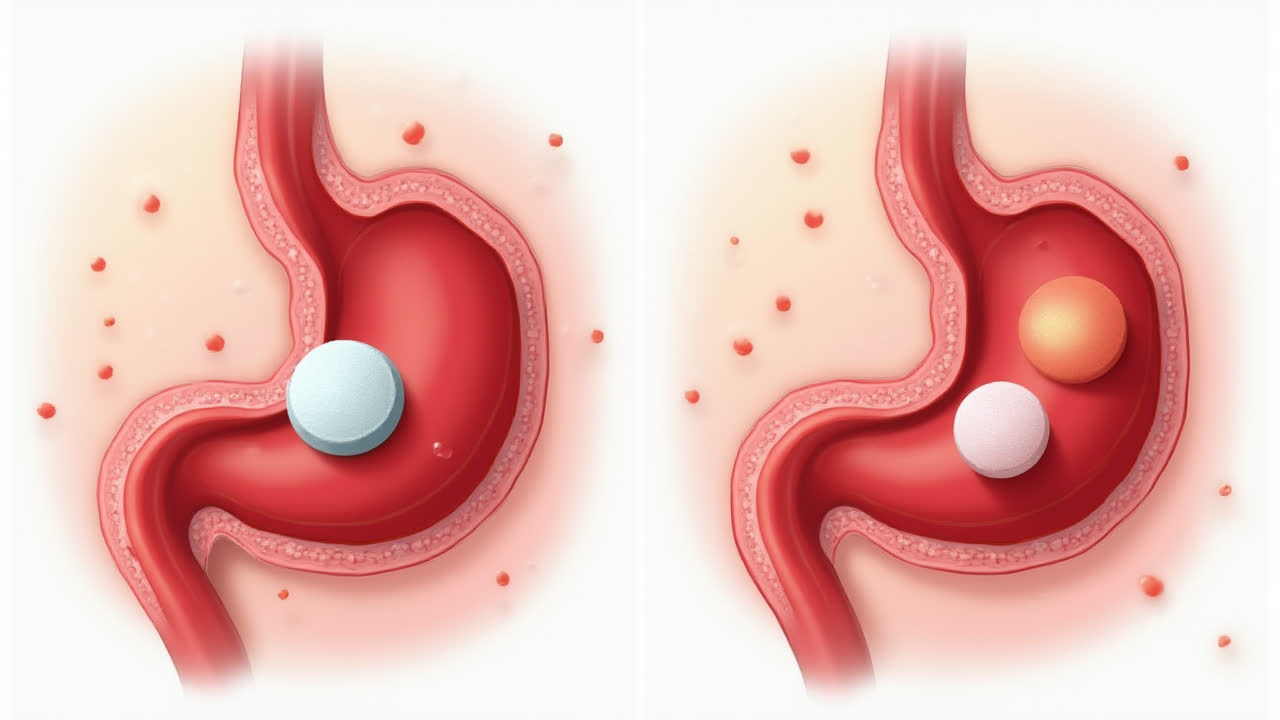
API vs Excipients: Understanding Critical Differences in Pharmaceuticals
When you pick up a medication, have you ever wondered what's actually inside that tablet or capsule? The world of pharmaceuticals is fascinating, and at its heart lies the crucial distinction between APIs and excipients. These components work together to create effective medications, but they serve completely different purposes. I've spent years researching pharmaceutical formulations, and I'm excited to share this knowledge with you in simple terms.
The pills we take contain much more than just the medicine itself. In fact, most of what makes up a tablet is actually not the active ingredient at all! This surprises many people when they first learn about drug formulation. Let's dive into understanding the fundamental difference between these two essential components of pharmaceutical products.
What Are APIs (Active Pharmaceutical Ingredients)?
APIs, or Active Pharmaceutical Ingredients, are the star performers in any medication. They're the components that actually treat your condition or relieve your symptoms. Think of them as the headline act at a concert – they're what you came for! When you take a painkiller for a headache, it's the API that targets your pain receptors and brings relief. Every medication, from antibiotics to cancer treatments, relies on carefully developed APIs to deliver therapeutic benefits.
These active ingredients are powerful substances that interact directly with your body systems. When I studied pharmaceutical chemistry, I was amazed at how precisely these molecules are designed to target specific biological pathways. API development is incredibly complex and strictly regulated, requiring years of research and testing before approval. The concentration of APIs in medications is typically quite small – sometimes just a few milligrams – but these tiny amounts can produce significant biological effects.
The journey of an API from laboratory to medicine cabinet is fascinating. Scientists first identify a compound that shows promise for treating a particular condition. This compound then undergoes extensive testing and refinement. The production process must ensure exceptional purity – typically 99% or higher – since even minor impurities could potentially cause harmful side effects. This is why pharmaceutical manufacturing facilities maintain such stringent quality control standards. I once toured such a facility and was struck by the extraordinary measures taken to ensure API purity and consistency.
APIs can be categorized in several ways, including their source (synthetic, semi-synthetic, or natural), their chemical structure, or their therapeutic action. For example, analgesics like acetaminophen relieve pain, while antibiotics like amoxicillin fight bacterial infections. Each API has unique properties that determine how it's formulated into medications. Some are extremely sensitive to light or moisture, while others might have an unpleasant taste that needs masking. These characteristics directly influence which excipients must accompany them.
Understanding Excipients: The Unsung Heroes
If APIs are the headline performers, then excipients are the essential backstage crew that makes everything work smoothly. These inactive ingredients don't provide therapeutic benefits, but medications simply couldn't exist without them. During my pharmaceutical training, one professor compared excipients to the canvas and frame that support a painting – not what you notice first, but absolutely necessary for the artwork to exist and be displayed. This analogy has always stuck with me.
Excipients make up the majority of what you're actually consuming when you take a pill. They serve numerous vital functions: binding the ingredients together, helping tablets dissolve at the right time, preventing the API from degrading, improving the taste or appearance, and much more. Without carefully selected excipients, many medications would be ineffective, unstable, or impossible to manufacture. I've seen formulation projects fail because insufficient attention was paid to excipient selection!
The variety of excipients used in pharmaceuticals is impressive. Common examples include microcrystalline cellulose (a binding agent), magnesium stearate (which prevents ingredients from sticking to manufacturing equipment), various sugars like lactose (which add bulk and improve taste), and coatings that control when and where in your digestive system a drug is released. Each excipient is chosen for specific properties that complement the API and support the overall formulation goals.
While excipients are considered "inactive," this doesn't mean they're unimportant or without potential effects on patients. Some people may have allergies or sensitivities to certain excipients, such as lactose or specific dyes. That's why pharmaceutical companies must carefully document all ingredients and why pharmacists need to be knowledgeable about excipient profiles. I remember counseling a patient who was having reactions to their medication – we ultimately discovered it wasn't the API causing problems, but an excipient in the specific brand they were taking. Switching to a different formulation resolved their issues.
The Crucial Relationship Between APIs and Excipients
The relationship between APIs and excipients is complex and symbiotic. They must work together perfectly to create an effective, stable, and safe medication. I think of it like a recipe – you need both the right ingredients and the proper preparation techniques. The most potent API in the world is useless if it can't be delivered effectively to its target in the body, and that's where excipients shine.
Formulators must consider numerous factors when pairing APIs with excipients. Chemical compatibility is paramount – some combinations might react with each other, causing degradation or formation of harmful compounds. Physical properties matter too; the size, shape, and surface characteristics of particles affect how a drug is manufactured and how it behaves in the body. And of course, the intended route of administration – whether oral, injectable, topical, or something else – dictates which excipients are appropriate.
Modern pharmaceutical development increasingly focuses on "intelligent" excipients that do more than just fill space. These advanced formulation components might help a drug bypass stomach acid, target specific tissues, or release medicine at a precisely controlled rate. The field of drug delivery systems is constantly evolving, with innovations like nanoparticles and biodegradable polymers expanding the possibilities for how APIs can be administered. I find this area particularly exciting – it's where chemistry, biology, and engineering converge to solve medical challenges.
The balance between APIs and excipients also has practical implications for manufacturers and patients. Excipients generally cost less than APIs, so they impact the overall economics of drug production. For patients, the choice of excipients affects not just efficacy but also the experience of taking medication – factors like taste, ease of swallowing, and how often doses must be taken. A well-designed formulation considers all these aspects to create a product that's both therapeutically effective and user-friendly.
Key Differences Between API and Excipients
| Comparison Point | API | Excipients |
|---|---|---|
| Function | Provides therapeutic effect and treats conditions | Facilitates delivery, stability, and formulation of the drug |
| Quantity in Drug | Usually small amounts (often milligrams) | Majority of the formulation by volume and weight |
| Regulatory Scrutiny | Highest level of testing and documentation | Scrutinized but to a lesser degree than APIs |
| Cost | Typically expensive to develop and produce | Generally less expensive than APIs |
| Manufacturing Process | Complex synthesis requiring high purity (>99%) | Various processes depending on type, less stringent purity requirements |
| Biological Activity | Pharmacologically active, interacts with body systems | Generally biologically inactive (with some exceptions) |
| Development Time | Many years of research and clinical trials | Often established ingredients with known properties |
| Examples | Acetaminophen, amoxicillin, atorvastatin | Lactose, microcrystalline cellulose, magnesium stearate |
Practical Implications for Patients and Healthcare Professionals
Understanding the distinction between APIs and excipients has real-world implications for both patients and healthcare providers. When generics enter the market, they contain the same API as the brand-name drug but often use different excipients. For most patients, this difference is inconsequential, but for some individuals with specific sensitivities, it can matter significantly. I've had conversations with concerned patients who noticed their medication looked different after a pharmacy switch to a generic version – explaining the API/excipient distinction often helps alleviate their concerns.
For healthcare professionals, knowledge of excipients becomes critical when treating patients with allergies, religious or dietary restrictions, or specific medical conditions like celiac disease. Some medications contain gluten, animal-derived ingredients, or alcohol, which might be problematic for certain individuals. Detailed formulation information allows pharmacists and doctors to make appropriate recommendations. During my clinical rotations, I worked with a pharmacist who maintained a specialized database of medication excipients specifically to help patients with complex allergies find suitable options.
The API-excipient relationship also impacts medication adherence and effectiveness in subtle ways. A well-designed formulation with appropriate excipients might taste better, cause fewer side effects, or require less frequent dosing – all factors that increase the likelihood that patients will take their medication as prescribed. Conversely, poor formulation choices can lead to medications that are unpleasant to take or cause unnecessary adverse effects, potentially reducing adherence. This human factor is something I think deserves more attention in pharmaceutical development.
From a global health perspective, excipient selection also affects medication stability in different climates. Formulations that work perfectly in temperate regions might degrade quickly in tropical heat and humidity. This consideration is crucial for medications distributed in developing nations or regions with limited refrigeration capacity. International pharmaceutical companies must carefully choose excipients that ensure medication stability under diverse environmental conditions. Having worked briefly on an international health project, I saw firsthand how excipient choices directly impacted medication accessibility in remote regions.
Frequently Asked Questions About APIs and Excipients
Why are excipients necessary in medications?
Excipients serve multiple critical functions that make medications possible. They provide bulk to create appropriately sized tablets or capsules, bind ingredients together, control the release timing of the API, improve stability and shelf-life, mask unpleasant tastes, facilitate manufacturing processes, and ensure consistent drug delivery. Without excipients, many medications would be impossible to produce or administer effectively. For example, extended-release formulations rely entirely on specialized excipients to control the gradual release of medication over time. Even seemingly simple tablets require binding agents to hold them together and disintegrants to help them break apart at the right time in your digestive system.
Can excipients cause allergic reactions or side effects?
Yes, while excipients are generally considered inert, they can occasionally cause allergic reactions or side effects in sensitive individuals. Common problematic excipients include certain dyes (like tartrazine), lactose (for those with lactose intolerance), gluten-containing ingredients (for people with celiac disease), and preservatives like sulfites. If you experience unexpected side effects from medication, consider whether you might be reacting to an excipient rather than the API itself. This is particularly worth investigating if you react to one brand of medication but not another that contains the same active ingredient. Always discuss any medication reactions with your healthcare provider, who can help identify potential excipient sensitivities and suggest alternative formulations.
How do manufacturers determine which excipients to use with a particular API?
Pharmaceutical formulators select excipients through a systematic process that considers multiple factors. They evaluate the chemical compatibility between the API and potential excipients to prevent unwanted reactions. Physical properties like solubility, stability, and particle characteristics heavily influence excipient selection. The intended route of administration (oral, injectable, topical, etc.) narrows down appropriate excipient options. Manufacturers conduct preformulation studies to test different combinations, followed by stability testing to ensure the formulation remains effective throughout its shelf life. Regulatory considerations also play a major role – excipients must have acceptable safety profiles and comply with pharmacopeia standards. Finally, practical aspects like cost, availability, and manufacturing efficiency are factored into the decision-making process.
Conclusion: The Balanced Partnership
The relationship between APIs and excipients exemplifies the intricate science behind pharmaceutical development. While APIs rightfully receive attention for their therapeutic effects, excipients deserve recognition for their crucial supporting role. Without this balanced partnership, modern medications as we know them wouldn't exist.
As pharmaceutical science advances, the distinction between APIs and excipients sometimes blurs, with functional excipients taking on more active roles in drug delivery and effectiveness. This evolution reflects our growing understanding of how medications interact with the complex human body. Whether you're a healthcare professional, a patient, or simply someone curious about what's in your medicine cabinet, appreciating the API-excipient relationship provides valuable insight into the medications we rely on.
Next time you take a pill, perhaps you'll view it differently – not just as a single entity, but as a sophisticated delivery system with carefully selected components working in harmony to improve health. That small tablet represents countless hours of scientific innovation, precise formulation, and rigorous testing to create a safe and effective treatment. It's truly remarkable how far pharmaceutical science has come, and the continuing refinement of both APIs and excipients promises even more advances in the future.