Azo vs Diazo: Unmasking the Key Differences in Organic Chemistry
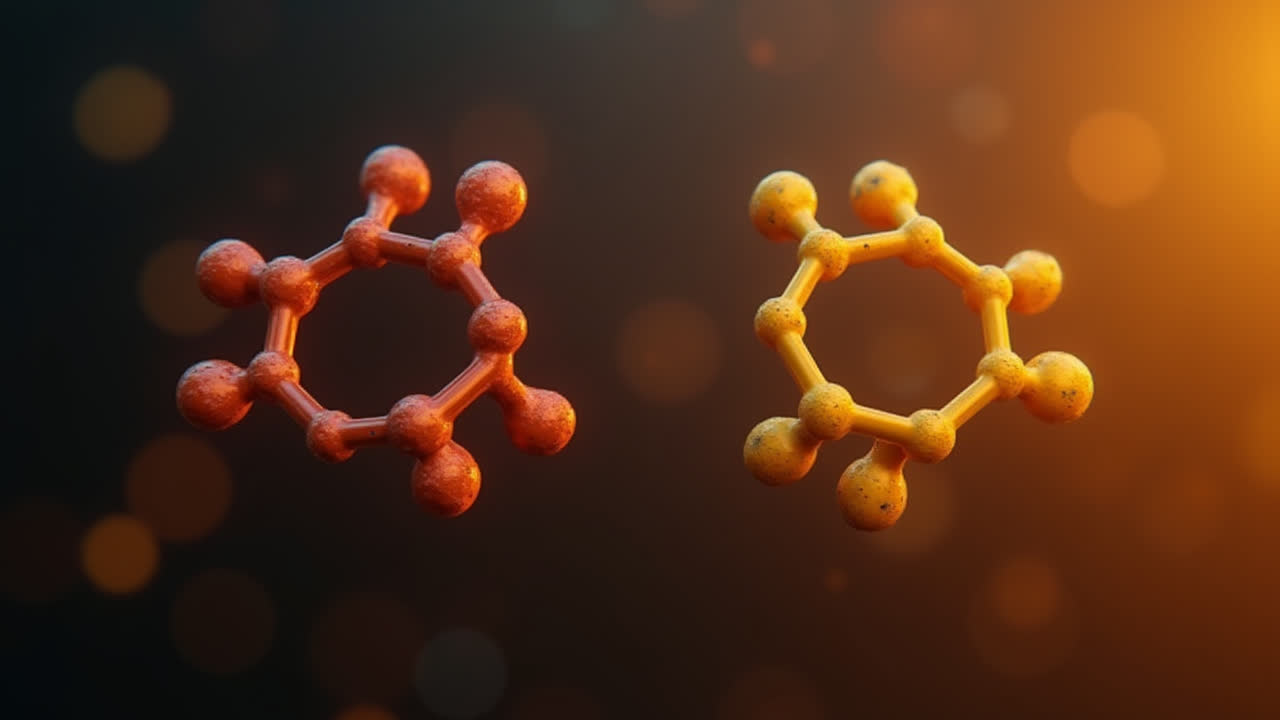
Have you ever wondered why some dyes create those vibrant colors in your favorite t-shirt while others are used to create complex molecules in laboratories? Well, it's all thanks to two fascinating chemical groups: azo and diazo compounds. These nitrogen-rich compounds might sound similar, but trust me, they're as different as chalk and cheese when you dig deeper.
Now, I've spent countless hours in the lab working with these compounds, and let me tell you - understanding the difference between them is crucial if you're into chemistry. Whether you're a student trying to ace that organic chemistry exam or just curious about what makes your new shirt so colorful, you're in the right place.
What Makes Azo Compounds Special?
Picture this: you're looking at a molecule with a double bond connecting two nitrogen atoms. That's the heart of an azo compound, represented as R-N=N-R' (where R and R' are organic groups). These guys are like the peacocks of the chemical world - they love to show off with their bright colors!
The magic happens because of something called conjugation. When that N=N double bond plays nice with nearby double bonds or aromatic rings, it absorbs specific light wavelengths, giving us those stunning colors. It's like having a tiny rainbow maker at the molecular level.
I remember my first time working with azo dyes - I was amazed at how a tiny structural change could shift colors from blazing reds to deep blues. These compounds aren't just pretty faces though. They're used in:
- Textile dyeing (that's why your clothes don't lose color after a wash)
- Pharmaceutical development
- Optical switches and semiconductors
- Even some food colorings (though they're being phased out)
Diazo: The Reactive Rebel
Now, diazo compounds are a whole different beast. These molecules sport a -N2 group, and boy, are they eager to react! If azo compounds are peacocks, diazo compounds are like caffeinated squirrels - they're high-energy and can't sit still.
Here's what makes them so reactive: that diazo group is essentially a spring-loaded mechanism waiting to unleash its energy. When it does, it can form new chemical bonds faster than you can say "organic chemistry." This makes them incredibly useful as starting materials or intermediates in chemical synthesis.
I once had a colleague who called diazo compounds "the Swiss Army knives of organic synthesis," and honestly, I couldn't agree more. They can:
- Generate carbenes (those elusive reaction intermediates)
- Create cyclopropane rings (essential building blocks)
- Participate in metal-catalyzed transformations
- Help synthesize complex natural products
Key Differences: A Head-to-Head Comparison
| Feature | Azo Compounds | Diazo Compounds |
|---|---|---|
| Structure | R-N=N-R' | R-N₂ |
| Stability | Relatively stable | Highly unstable and reactive |
| Main Applications | Dyes, pigments, optical materials | Synthetic intermediates, carbene precursors |
| Color Properties | Often brightly colored | Less likely to be colored |
| Reactivity | Moderate reactivity | Extremely reactive |
| Nitrogen Atoms | Two nitrogen atoms connected | Two nitrogen atoms as a leaving group |
| Industrial Use | Textile and cosmetic industries | Pharmaceutical and fine chemical synthesis |
| Energy State | Lower energy | High energy state |
Real-World Applications: From Your Wardrobe to the Lab
Let's get practical for a moment. That red dress you love? There's a good chance it's colored with azo dyes. These compounds revolutionized the textile industry because they're not just pretty - they're also relatively cheap to produce and don't wash out easily.
Meanwhile, diazo compounds are the unsung heroes behind many pharmaceutical breakthroughs. They've been used to synthesize everything from antibiotics to anti-cancer drugs. One famous example is penicillin - some synthetic routes to this life-saving antibiotic involve diazo intermediates.
Fun fact: I once worked on a project where we used diazo compounds to create photoreactive surfaces. When exposed to light, these surfaces could change their properties, opening up possibilities for smart materials that respond to their environment.
Safety Considerations (Because Chemistry Can Bite)
Now, here's something important to remember: while azo compounds are generally pretty safe to handle (though some azo dyes are being restricted due to health concerns), diazo compounds demand respect. Their high reactivity means they can be explosive under certain conditions.
I always tell my students: "Treat diazo compounds like you'd treat a sleeping tiger - with extreme caution and proper safety equipment." Always use appropriate protective gear, work in well-ventilated areas, and never underestimate their potential energy.
The Future of Azo and Diazo Chemistry
As someone who's been in this field for years, I'm excited about where we're heading. Researchers are developing new azo compounds for organic electronics and solar cells. Meanwhile, diazo chemistry is pushing boundaries in green chemistry, finding ways to make pharmaceutical synthesis more environmentally friendly.
There's even talk about "smart" azo compounds that could change color in response to specific chemicals - imagine medical sensors that visually indicate the presence of certain biomolecules!
FAQs: Your Burning Questions Answered
Are azo dyes safe to use in clothing?
Most azo dyes used in clothing today are safe and have been tested for skin contact. However, some older azo dyes that can break down into potentially harmful amines have been banned in many countries. Modern textile regulations ensure that only safe azo dyes are used in consumer products.
Why are diazo compounds so much more reactive than azo compounds?
Diazo compounds contain a high-energy, unstable -N₂ group that readily releases nitrogen gas, making them extremely reactive. This release of nitrogen creates reactive intermediates. In contrast, azo compounds have their nitrogen atoms locked in a stable double bond, making them much less reactive.
Can diazo compounds be used to make azo compounds?
Yes! This is actually a common synthetic route. Diazo compounds can react with aromatic systems through coupling reactions to form azo compounds. This process is widely used in dye manufacturing, where diazonium salts (a type of diazo compound) react with aromatic compounds to create colorful azo dyes.
Wrapping Up: Two Sides of the Same Nitrogen Coin
So there you have it - the tale of two very different but equally important classes of nitrogen compounds. While azo compounds bring color and stability to our world, diazo compounds drive innovation in chemical synthesis.
Understanding these differences isn't just academic trivia. Whether you're choosing between synthetic and natural dyes for your business, studying for an exam, or just satisfying your curiosity about the chemistry behind everyday products, knowing the distinction between azo and diazo compounds gives you a deeper appreciation for the molecular world around us.
Remember: next time you put on that colorful shirt or take that medicine, you might just be benefiting from the amazing chemistry of nitrogen compounds. Who knew chemistry could be so fashionable and life-saving at the same time?