Barbecuing vs Grilling: 8 Essential Differences You Need to Know
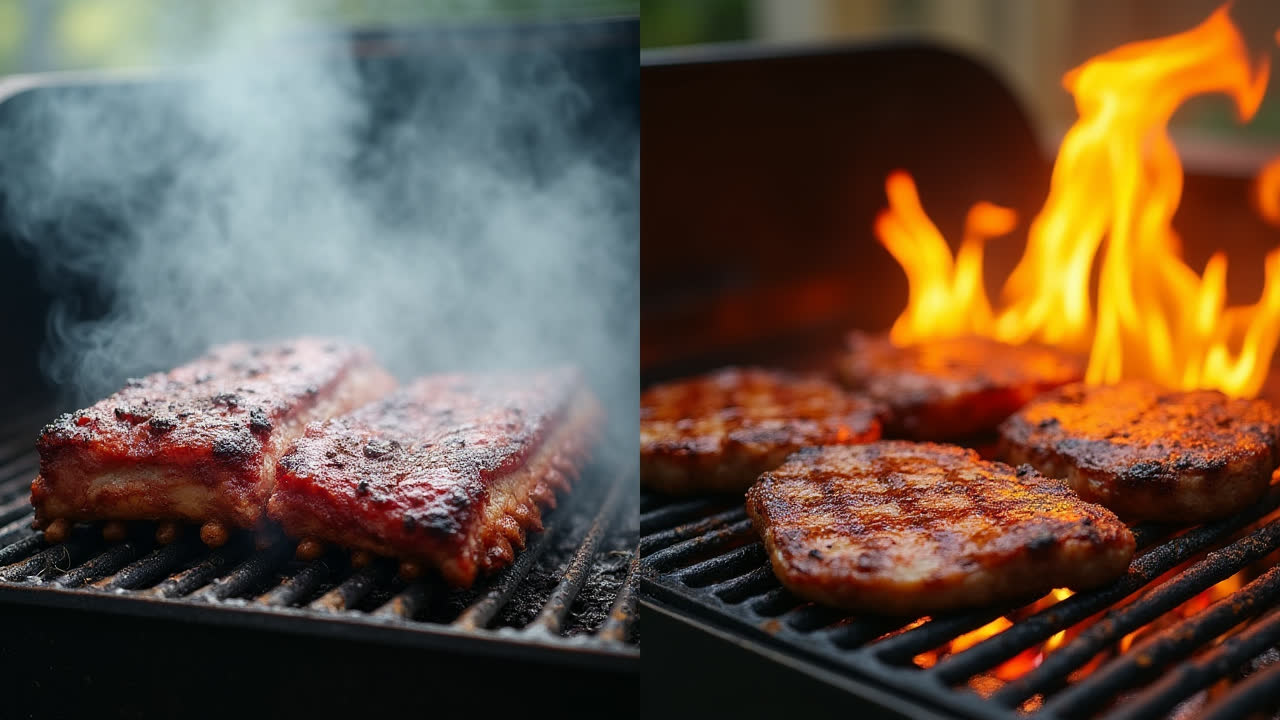
Have you ever wondered if you're actually barbecuing when you're cooking those burgers outside, or are you really just grilling? The two terms are often used interchangeably at summer cookouts, but they represent distinctly different cooking methods. The confusion is understandable – both involve outdoor cooking and delicious results – but knowing the difference can dramatically improve your outdoor cooking game.
I remember the first time I realized I'd been using these terms wrong for years. I was at my uncle's place for what he called a "proper barbecue," and I was surprised when he started cooking at 7 AM for a 4 PM dinner! That day changed my understanding of outdoor cooking forever. Now, I'm sharing what I've learned about these two popular cooking methods so you can impress your friends and family with your culinary knowledge.
This comprehensive guide explores the fundamental differences between barbecuing and grilling techniques, from cooking temperatures and times to the ideal foods for each method. Whether you're a weekend warrior or aspiring pitmaster, understanding these distinctions will help you choose the right approach for your next outdoor feast. Let's dive into the smoky, flavorful world of outdoor cooking!
What is Barbecuing? The Low and Slow Method
Barbecuing is a cooking technique characterized by its "low and slow" approach. This method involves cooking food at lower temperatures (typically between 225°F and 275°F) over an extended period. The beauty of barbecuing lies in its patience – it's a method that can't be rushed, often taking several hours or even an entire day for larger cuts of meat.
The defining characteristic of true barbecuing is the use of indirect heat. Unlike grilling, where food cooks directly over the flame, barbecued food is positioned away from the direct heat source. This arrangement allows the food to cook gradually in an environment filled with aromatic smoke, which is typically produced by burning wood or charcoal. Different wood varieties – like hickory, mesquite, apple, or cherry – can impart distinctive flavors to the food.
Traditional barbecuing was born out of necessity. In the past, people used this slow-cooking method to tenderize tougher, less expensive cuts of meat that would otherwise be difficult to eat. The low, consistent heat and extended cooking time break down the tough connective tissues in these cuts, resulting in meat that's incredibly tender and flavorful. You might even say that barbecuing is a form of culinary alchemy, transforming tough cuts into succulent masterpieces.
Patience truly pays off with barbecuing. The resulting flavors are complex and deeply developed, with the smoke creating layers of taste that simply can't be achieved through other cooking methods. The meat often becomes so tender it practically falls off the bone, making the long wait worthwhile for serious food enthusiasts.
What is Grilling? The Hot and Fast Approach
Grilling stands in stark contrast to barbecuing as a high-temperature, rapid cooking method. When you're grilling, you're cooking food directly over intense heat, typically at temperatures exceeding 500°F. This direct exposure to heat creates that distinctive sear and char marks that many people associate with outdoor cooking. Wouldn't you agree that those grill marks are oddly satisfying?
The hallmark of grilling is speed and intensity. While barbecuing might take all day, grilling can have food ready to eat in minutes. This makes it perfect for weeknight dinners or impromptu gatherings when you don't have hours to prepare. The direct flame quickly cooks the exterior of the food, sealing in juices while creating that characteristic caramelized surface we all love.
Grilling requires more active attention than barbecuing. Because of the high heat, there's a fine line between perfectly grilled and overdone. You'll often find yourself standing by the grill, spatula in hand, ready to flip, move, or adjust your food as needed. It's a more hands-on experience that can be quite social – which is why the grill often becomes the gathering spot at parties.
The versatility of grilling is remarkable. While it excels with quicker-cooking proteins like steaks, chops, and seafood, it's equally adept at handling vegetables, fruits, and even some desserts. The high heat caramelizes natural sugars in these foods, creating new flavor compounds that make grilled vegetables and fruits particularly delicious. I've found that even staunch vegetable skeptics can be won over by a perfectly grilled piece of corn or a caramelized pineapple slice.
Comprehensive Comparison: Barbecuing vs Grilling
| Characteristic | Barbecuing | Grilling |
|---|---|---|
| Cooking Temperature | Low (225°F-275°F) | High (400°F-550°F+) |
| Cooking Time | Hours to a full day | Minutes to under an hour |
| Heat Source | Indirect heat (away from flame) | Direct heat (over flame) |
| Ideal Meats | Tougher, larger cuts (brisket, ribs, pork shoulder) | Tender cuts (steaks, chops, fillets, burgers) |
| Suitable For Vegetables | Rarely used for vegetables | Excellent for most vegetables |
| Flavor Development | Complex, smoky flavors that penetrate deeply | Surface caramelization with less interior flavor infusion |
| Cooking Environment | Enclosed, smoke-filled space | Open grilling surface |
| Moisture Retention | High moisture retention in finished products | Can dry out if not monitored carefully |
Best Foods for Barbecuing
Barbecuing truly shines when applied to specific types of meat that benefit from the low and slow treatment. The extended cooking time allows tough cuts with lots of connective tissue to break down gradually, resulting in exceptionally tender meat with complex flavor. Here are some ideal candidates for your next barbecue session:
- Beef Brisket - Perhaps the crown jewel of barbecue, this tough cut from the chest of the cow is transformed through hours of smoking into tender, flavorful slices with a distinctive "smoke ring."
- Pork Shoulder/Boston Butt - The foundation of pulled pork, this fatty cut becomes fork-tender after 8-12 hours of low and slow cooking.
- Pork Ribs - Both spare ribs and baby back ribs benefit from the barbecue treatment, which renders the fat and breaks down the tough membrane between the bones.
- Beef Ribs - These massive, flavorful ribs need the extended cooking time to become tender while developing a rich crust.
- Whole Poultry - Whole chickens and turkeys can be barbecued to juicy perfection, with smoke penetrating throughout the meat.
The magic of barbecuing these cuts lies in the transformation of collagen into gelatin through low, consistent heat. This process, called rendering, is what gives properly barbecued meat its distinctive mouthfeel and flavor. You simply can't rush this chemical process – it needs time to work its magic.
Pro Tip: When barbecuing larger cuts like brisket or pork shoulder, plan for what's called the "stall" – a period several hours into cooking when the internal temperature plateaus as moisture evaporates from the meat. Don't panic or increase the heat; this is a normal part of the process and requires patience to overcome.
Ideal Foods for Grilling
Grilling's high heat and fast cooking time make it perfectly suited for different types of foods than barbecuing. The best candidates for the grill are foods that benefit from quick cooking and can develop flavor through caramelization rather than through slow smoking. Here's what works best on the grill:
- Steaks - From ribeyes to strip steaks, tender beef cuts achieve that perfect combination of caramelized exterior and juicy interior when grilled over high heat.
- Burgers - The high heat creates a flavorful crust while keeping the inside juicy – the hallmark of a perfect burger.
- Chops - Pork, lamb, and veal chops cook quickly and develop exceptional flavor on the grill.
- Seafood - Fish fillets, shrimp, scallops, and even whole fish cook beautifully and quickly on a hot grill.
- Vegetables - The intense heat caramelizes the natural sugars in vegetables like corn, asparagus, zucchini, bell peppers, and eggplant.
- Fruits - Pineapple, peaches, pears, and other fruits develop amazing sweetness and complexity when grilled briefly.
- Quick-cooking poultry - Boneless chicken breasts, thighs, and wings can be perfected on the grill.
The key to successful grilling lies in preparation and timing. Because the cooking process happens so quickly, it's essential to have your ingredients properly prepped, seasoned, and ready to go. Marinating can add flavor and help retain moisture, which is particularly helpful for leaner cuts that might otherwise dry out on the grill.
Temperature zones are your friend when grilling. Creating a hot zone for searing and a cooler zone for finishing cooking gives you more control over the process. This technique, sometimes called two-zone grilling, can help prevent the common problem of food that's charred on the outside but undercooked inside.
Equipment Differences: Barbecue Smokers vs. Grills
The distinct cooking methods of barbecuing and grilling are reflected in the equipment designed for each technique. While there is some overlap, and many outdoor cookers can perform both functions to varying degrees, specialized equipment exists for each method.
Traditional barbecue smokers are designed to maintain low, consistent temperatures for extended periods while generating smoke. They typically feature a separate firebox where wood or charcoal burns, with the smoke and heat channeled into a larger cooking chamber where the food sits. This separation creates the indirect heat that defines barbecuing. Popular smoker styles include offset smokers (sometimes called stick burners), water smokers, kamado grills, pellet smokers, and electric smokers.
Grills, on the other hand, are built to generate high, direct heat beneath the cooking surface. Classic grill types include kettle grills, gas grills, and flat-top grills. The construction focuses on exposing food directly to intense heat, whether from gas flames, charcoal, or even wood fire. Many grills now come with features that allow for some indirect cooking as well, making them more versatile.
Hybrid equipment that can handle both methods has become increasingly popular. Kamado-style ceramic grills like the Big Green Egg can maintain both the high temperatures needed for grilling and the low, steady temperatures required for barbecuing. Similarly, pellet grills offer digital temperature control that makes them suitable for both quick grilling sessions and long barbecue cooks.
For anyone serious about outdoor cooking, considering how you'll primarily use your equipment is essential before investing. If you're mainly cooking quick weeknight meals, a good gas or charcoal grill might be perfect. But if you're dreaming of perfect pulled pork that's been smoking all day, you'll want equipment designed for true barbecuing.
Cultural Significance and Regional Variations
Both barbecuing and grilling carry deep cultural significance around the world, with regional variations that reflect local ingredients, traditions, and preferences. These cooking methods often transcend mere food preparation to become important social rituals and expressions of cultural identity.
In the United States, barbecue traditions vary dramatically by region, each with fiercely defended methods and flavors. Texas is renowned for its beef brisket, often seasoned simply with salt and pepper and smoked over post oak. Carolina barbecue traditions focus on whole hog cooking (Eastern) or pork shoulder (Western), with distinctive vinegar-based sauces. Kansas City style features multiple meats with sweet, thick tomato-based sauces, while Memphis is known for dry-rubbed ribs. These regional styles have developed over generations and inspire passionate loyalty.
Internationally, similar slow-cooking traditions exist with different names and techniques. In Australia, "barbie" typically refers to what Americans would call grilling. Brazilian churrasco involves grilling various meats on skewers over open flame. Korean barbecue features thin slices of meat grilled tableside, often accompanied by numerous side dishes. South African braai is a social grilling tradition with cultural significance similar to American barbecue.
The commonality across all these traditions is the gathering of people around fire and food. Whether it's a slow barbecue that becomes an all-day affair or a quick grilling session, these cooking methods naturally create social environments where stories are shared, relationships are built, and traditions are passed down through generations. In many ways, both barbecuing and grilling are as much about community as they are about food.
Frequently Asked Questions About Barbecuing and Grilling
Can you barbecue on a regular grill?
Yes, you can barbecue on a regular grill, but you'll need to set it up for indirect cooking. For a charcoal grill, this means arranging the coals on only one side of the grill and placing your food on the other side. For a gas grill, only light some of the burners and place your food over the unlit ones. You'll also need to add wood chips for smoke flavor and maintain a consistently low temperature (225°F-275°F). While this setup works for shorter barbecue sessions, dedicated smokers are better equipped for longer cooks of 8+ hours as they're designed to maintain steady temperatures with minimal adjustment.
Why does barbecued meat taste different from grilled meat?
Barbecued meat tastes different from grilled meat because of several key factors in the cooking process. The extended cooking time allows smoke flavor compounds to penetrate deeply into the meat, creating complex, layered flavors that can't be achieved in quick cooking. The low, consistent heat transforms tough collagen into gelatin, creating a distinctive mouthfeel. Additionally, many barbecue cuts have more intramuscular fat and connective tissue which, when rendered slowly, distribute flavor throughout the meat. In contrast, grilled meat develops its distinctive flavor primarily through the Maillard reaction—the chemical process that creates the browned, caramelized exterior when proteins and sugars react under high heat—resulting in a different but equally delicious flavor profile focused more on surface caramelization than deep smoke penetration.
Which method is healthier: barbecuing or grilling?
From a health perspective, grilling generally has some advantages over traditional barbecuing. The faster cooking time in grilling means less exposure to smoke, which can contain polycyclic aromatic hydrocarbons (PAHs). Additionally, grilling's high heat allows fat to drip away from the meat, potentially resulting in a lower-fat end product. However, both methods have potential health concerns: the char produced by high-heat grilling can create heterocyclic amines (HCAs), while the smoke in barbecuing produces those PAHs mentioned earlier. To make either method healthier, consider using leaner cuts of meat, incorporating plenty of vegetables, marinating meat (which can reduce HCA formation by up to 90%), avoiding excessive charring, and keeping fat drippings from causing flare-ups by using drip pans or aluminum foil. Both methods can be part of a healthy diet when used thoughtfully.
Making the Right Choice: Barbecue or Grill?
After exploring the differences between barbecuing and grilling, you might be wondering which approach is right for your next outdoor cooking session. The answer depends on several factors: the food you're preparing, the time you have available, the equipment at your disposal, and the flavor profile you're seeking.
Choose barbecuing when you have time to spare and want to transform tougher, larger cuts of meat into tender, flavorful masterpieces with complex smoky notes. The "low and slow" method is perfect for weekend projects when the journey is as enjoyable as the destination. There's something deeply satisfying about tending a smoker throughout the day, adjusting vents, adding wood, and watching as tough cuts gradually transform into something spectacular.
Opt for grilling when you want quick, delicious results with minimal prep and cooking time. It's ideal for weeknight dinners, spontaneous gatherings, and cooking a wide variety of foods beyond meat. The intense heat creates beautiful caramelization and those distinctive grill marks that signal summer to many of us.
In reality, many outdoor cooking enthusiasts appreciate both methods for their unique advantages. Understanding the differences between barbecuing and grilling doesn't mean you have to choose one over the other permanently – it simply helps you select the right technique for each specific cooking situation. With this knowledge, you're well-equipped to elevate your outdoor cooking game, whether you're smoking a brisket all weekend or quickly grilling some burgers on a Tuesday night.
Remember, while the techniques differ significantly, they share a common heritage of cooking with fire – perhaps our oldest culinary tradition. Whether you're barbecuing or grilling, you're participating in a practice that has brought people together around flavor and flame for thousands of years. And that's something worth celebrating, regardless of your preferred method!