Centrosome vs Centromere: Key Differences Explained
Centrosome vs Centromere: Understanding the Key Differences
When you're diving into cell biology, you'll often encounter two confusingly similar terms: centrosome and centromere. Trust me, I've had students mix these up countless times, and honestly, who can blame them? They sound almost identical! But these two cellular components play vastly different roles in our cells. Let's break down what makes each unique so you'll never confuse them again.
What is a Centrosome?
Think of a centrosome as the "conductor" of your cell's orchestra. This tiny organelle is basically the command center for all those microscopic tubes called microtubules. Have you ever watched a spider spin its web? The centrosome kind of works like that spider, but instead of silk threads, it's spinning out microtubules to create the spindle apparatus during cell division.
Here's something interesting: not all cells need centrosomes. Plants and fungi? They've figured out how to throw their cellular parties without these organizing centers. It's like they've developed their own system for separating chromosomes during division. Nature always finds a way, right?
The structure of a centrosome is pretty nifty. Picture two barrels (centrioles) stacked at right angles to each other, surrounded by a cloud of proteins. These proteins act like anchors, holding onto all those microtubules that the centrosome produces.
What is a Centromere?
Now, let's talk about centromeres. If the centrosome is a conductor, then the centromere is more like the zipper on your genetic jacket. It's that constricted region on a chromosome that holds sister chromatids together (think of chromatids as identical twins that need to stick together during cell division).
The centromere is made of super-compressed DNA called heterochromatin. It's like when you squeeze a sponge really tight - that's what's happening to the DNA in the centromere region. This compression creates a perfect handle for the spindle fibers to grab onto during chromosome separation.
One fascinating thing about centromeres is their position on chromosomes. Some sit right in the middle (metacentric), while others are off-center (submetacentric) or near the ends (acrocentric). It's like having your belt buckle in different positions - they all work, but they look different under the microscope.
Comparing Centrosomes and Centromeres
| Feature | Centrosome | Centromere |
|---|---|---|
| Structure | Organelle with two centrioles | Highly constricted DNA region |
| Composition | Microtubules, proteins (centrin, cenexin) | Centric heterochromatin, cohesin proteins |
| Primary Function | Organizes spindle microtubules | Binds sister chromatids together |
| Location | Cell cytoplasm, moves to cell poles | Middle region of chromosome |
| Presence in cells | Animal cells only | All eukaryotic cells |
| Role in cell division | Nucleates spindle fibers | Attachment site for spindle fibers |
| Formation timing | Duplicates during S phase | Formed during DNA replication |
| Other functions | Forms cilia and flagella | Regulates gene expression nearby |
How They Work Together in Cell Division
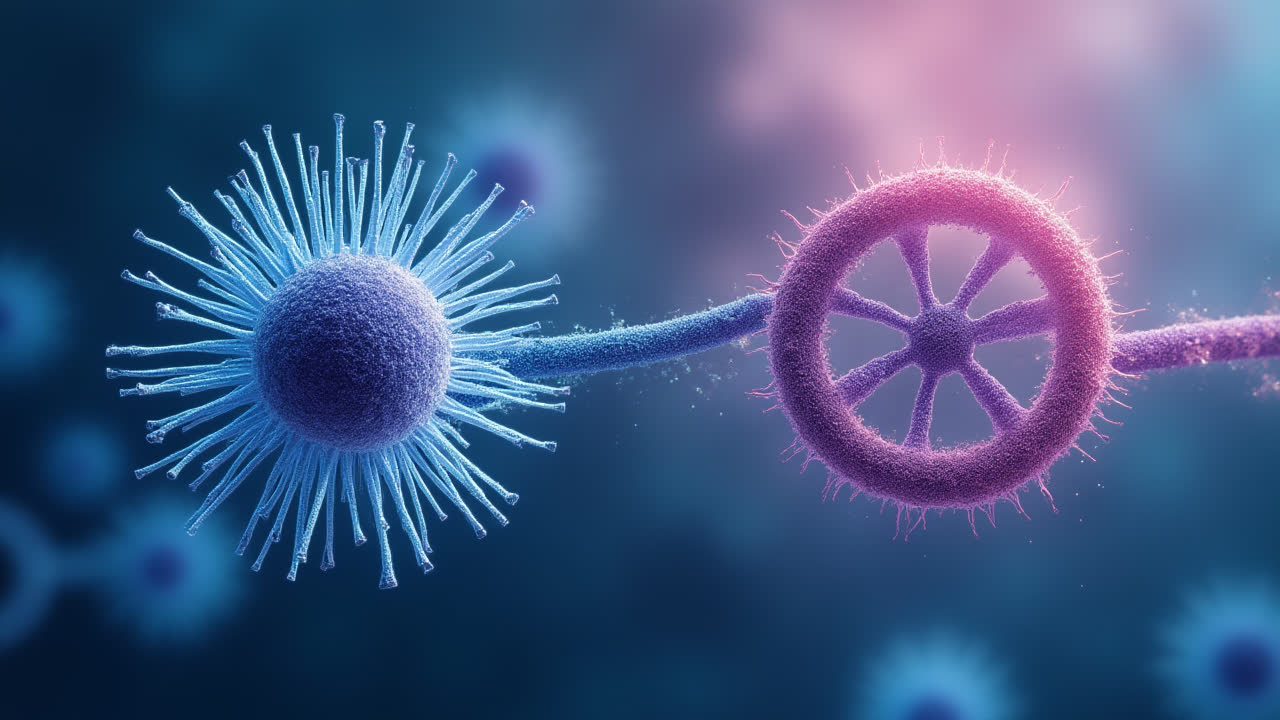
During mitosis, these two components perform a beautifully choreographed dance. The centrosomes position themselves at opposite ends of the cell like bookends, while the centromeres stay attached to the chromosomes. As the spindle microtubules reach out from the centrosomes, they grab onto the centromeres via protein complexes called kinetochores.
Then comes the main event: the centrosomes start pulling, and the chromosomes split right down the middle at the centromeres! It's like watching a perfectly timed theatrical performance where everyone knows their part. Once the chromosomes separate, they migrate to opposite cell poles, and voila - you've got two daughter cells with identical genetic material.
Why Understanding This Matters
You might be wondering why we care about these tiny cellular components. Well, centrosomes and centromeres are crucial for proper cell division. When they malfunction, it can lead to serious problems like cancer. For instance, cancer cells often have abnormal numbers of centrosomes, which can cause chromosome segregation errors.
Studying these structures also helps us understand genetic diversity. The way centromeres position themselves affects how genes are distributed during division, contributing to the variation we see in organisms. Pretty neat for such small cellular components, right?
Common Misconceptions
Let's clear up some of the confusion once and for all. The biggest mistake people make is thinking these terms refer to the same thing because they sound similar. Here's an easy way to remember: centroSOME is a SOME-thing (an organelle), while centroMERE is located at the MERE (as in, "mere location" on the chromosome).
Another misconception is that both are equally important for all cells. While both play vital roles in division, centromeres are found in all eukaryotic cells, but centrosomes are exclusive to animal cells. Plant cells have their own mechanisms for organizing spindle fibers without centrosomes.
Key Takeaways
- Centrosomes are organelles that organize spindle microtubules
- Centromeres are DNA regions that hold chromatids together
- Centrosomes are found only in animal cells
- Centromeres are present in all eukaryotic chromosomes
- Both are essential for proper chromosome segregation during cell division
- Defects in either can lead to genetic disorders or cancer
Conclusion
Understanding the difference between centrosome and centromere is fundamental to grasping how cells divide and reproduce. While they may sound similar, their distinct structures and functions highlight the incredible complexity and precision of cellular machinery. The next time you see a cell diagram, you'll be able to point out exactly what's what!
Remember, cell biology isn't just about memorizing terms - it's about understanding how these microscopic machines work together to create life as we know it. And honestly, isn't it amazing that something as small as these cellular components can have such a massive impact on our existence?
Frequently Asked Questions
Do plant cells have centrosomes?
No, plant cells don't have centrosomes. They've evolved alternative mechanisms to organize their spindle apparatus during cell division. Instead of relying on centrosomes, plant cells use specific microtubule nucleation sites distributed throughout the cytoplasm to form their mitotic spindle.
Can a chromosome have multiple centromeres?
Some organisms called holocentric organisms can have multiple centromeres distributed along their chromosomes. However, in most organisms (monocentric), having multiple centromeres on a single chromosome is usually problematic and can lead to chromosomal breakage or improper segregation during cell division.
What happens when centrosome duplication goes wrong?
When centrosome duplication fails or occurs excessively, it can lead to abnormal chromosome segregation during cell division. This often results in aneuploidy (abnormal chromosome numbers) and is commonly associated with cancer development. Cells with extra centrosomes tend to form multipolar spindles, leading to uneven chromosome distribution among daughter cells.