Corn Syrup vs Honey: Which Natural Sweetener Is Better?
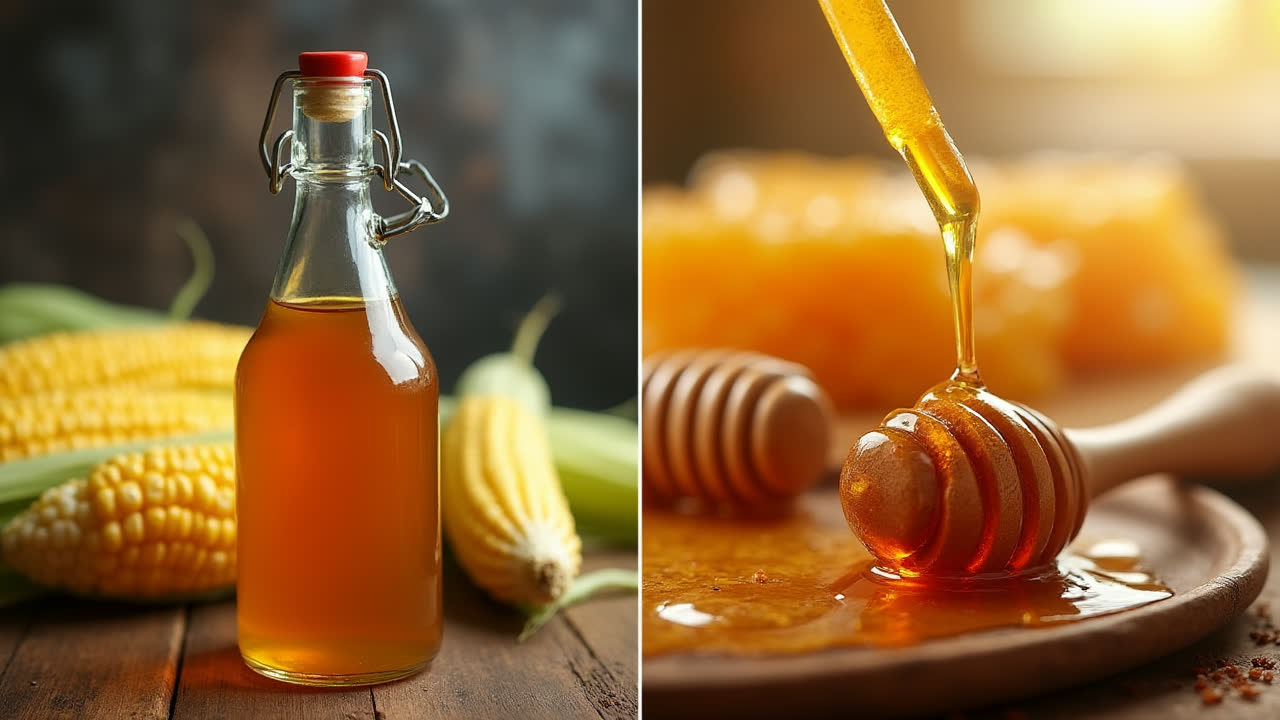
When it comes to natural sweeteners, the debate between corn syrup and honey is one that many home bakers and health-conscious consumers find themselves pondering. Both sweeteners have their unique properties and uses in the kitchen, but they differ significantly in their origin, composition, and health impacts. I've often found myself reaching for one or the other in my pantry, wondering which would work best for a particular recipe.
Have you ever wondered why some recipes specifically call for corn syrup while others insist on honey? Or perhaps you're curious about which option might be better for your health? In this comprehensive guide, I'll explore everything you need to know about these two popular sweeteners, from their production methods to their culinary applications and nutritional profiles.
As someone who loves to experiment in the kitchen, I've learned through trial and error when each sweetener shines brightest. There's something fascinating about understanding the science behind these ingredients and how they can transform your cooking results. Let's dive deeper into the world of these sweet alternatives and discover their unique characteristics.
What Is Corn Syrup? Origin and Production
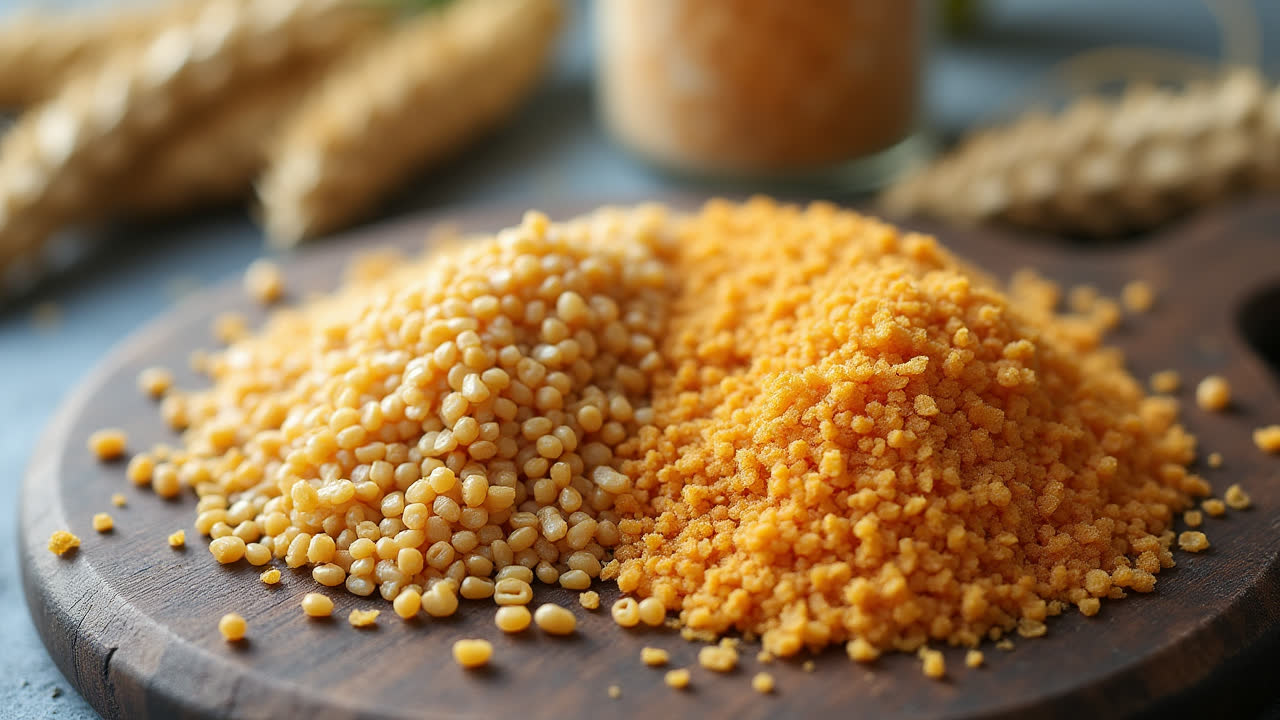
Corn syrup is a sweet, viscous liquid derived from corn starch. It's manufactured through a process that breaks down the starch molecules in corn using enzymes, converting them into smaller sugar molecules. This process, known as hydrolysis, results in a mixture primarily composed of glucose. The transformation from corn kernels to the syrup on your grocery store shelf involves several industrial processing steps.
There are primarily two varieties of corn syrup available to consumers: light and dark. Light corn syrup has a clear, colorless appearance and mild flavor, often enhanced with vanilla. I've found it works wonderfully in recipes where you don't want to alter the color or add competing flavors. Dark corn syrup, on the other hand, contains molasses, which gives it a robust, caramel-like flavor and deep amber color. This version adds a rich complexity to pecan pies and certain candies that its lighter counterpart can't match.
It's crucial to note that regular corn syrup differs from high-fructose corn syrup (HFCS), despite their similar names. Regular corn syrup consists mainly of glucose, while HFCS undergoes additional processing to convert some of that glucose into fructose, resulting in a sweeter product. HFCS is widely used in commercial food production but is not typically sold directly to consumers. The distinction matters because research suggests different health implications between the two, with HFCS being more controversial due to its higher fructose content and prevalence in processed foods.
In commercial food production, corn syrup serves multiple functions beyond sweetening. It prevents crystallization in candy making, adds volume to baked goods, enhances flavors, and extends shelf life by retaining moisture. These functional properties make it a staple in professional kitchens and food manufacturing. When I'm making homemade caramels or taffies, I've learned that corn syrup is almost irreplaceable for achieving that perfect, smooth texture without unwanted sugar crystals forming.
What Is Honey? Natural Production and Varieties
Honey is truly one of nature's most remarkable foods, produced by honeybees through an extraordinary process. These industrious insects collect nectar from flowering plants and return to their hive where they process it using specialized enzymes in their bodies. The bees' digestive enzymes break down the complex sugars in nectar into simpler ones, primarily fructose and glucose. Then, through the physical activity of bees fanning their wings, excess moisture evaporates until the honey reaches its characteristic thick consistency. It's a fascinating natural production method that humans have cherished for thousands of years.
One aspect of honey that continues to amaze me is its incredible diversity. The flavor, color, and properties of honey vary dramatically depending on the flowers visited by the bees. From light, delicate acacia honey to robust, dark buckwheat honey, the range is extraordinary. Some of my personal favorites include wildflower honey with its complex floral notes and orange blossom honey with its subtle citrus undertones. Each variety offers a unique taste experience and can completely transform a dish when used thoughtfully.
Nutritionally, honey consists of approximately 40% fructose, 30% glucose, and 17% water, along with trace amounts of vitamins, minerals, amino acids, and antioxidants. These additional nutrients, while present in small quantities, help distinguish honey from more refined sweeteners. Raw, unfiltered honey contains even more beneficial compounds, including bee pollen, propolis, and enzymes that are often removed during commercial processing. I've noticed that switching to raw honey has added interesting dimensions to my morning tea and baking projects.
Perhaps one of honey's most remarkable properties is its extraordinary shelf life. Archaeologists have discovered pots of honey in ancient Egyptian tombs that remained perfectly preserved and edible after thousands of years! This longevity comes from honey's unique chemical composition—its low moisture content and natural acidity create an environment inhospitable to bacteria and other microorganisms. Our ancestors recognized this preservative quality, using honey to keep other foods from spoiling long before modern refrigeration. Even today, I sometimes use honey in my homemade granola and energy bars for both flavor and its natural preservative properties.
Comparing Corn Syrup and Honey: Key Differences
| Characteristic | Corn Syrup | Honey |
|---|---|---|
| Origin | Plant-based, industrially processed from corn starch | Animal-produced by honeybees from flower nectar |
| Primary Sugars | Mostly glucose (unless it's HFCS) | Approximately 40% fructose, 30% glucose |
| Appearance | Light corn syrup is clear, dark corn syrup is amber | Varies from light golden to dark brown |
| Flavor Profile | Mild sweetness with little distinctive flavor | Complex, distinct floral flavors based on nectar source |
| Nutritional Content | Primarily carbohydrates, minimal nutrients | Contains small amounts of vitamins, minerals, antioxidants |
| Processing Method | Enzymatic hydrolysis of corn starch | Natural enzymatic processing by bees |
| Glycemic Index | Higher (ranges from 75-90) | Lower (ranges from 45-64) |
| Vegan Status | Vegan-friendly | Not considered vegan by many (animal-produced) |
Culinary Uses and Recipe Adaptations
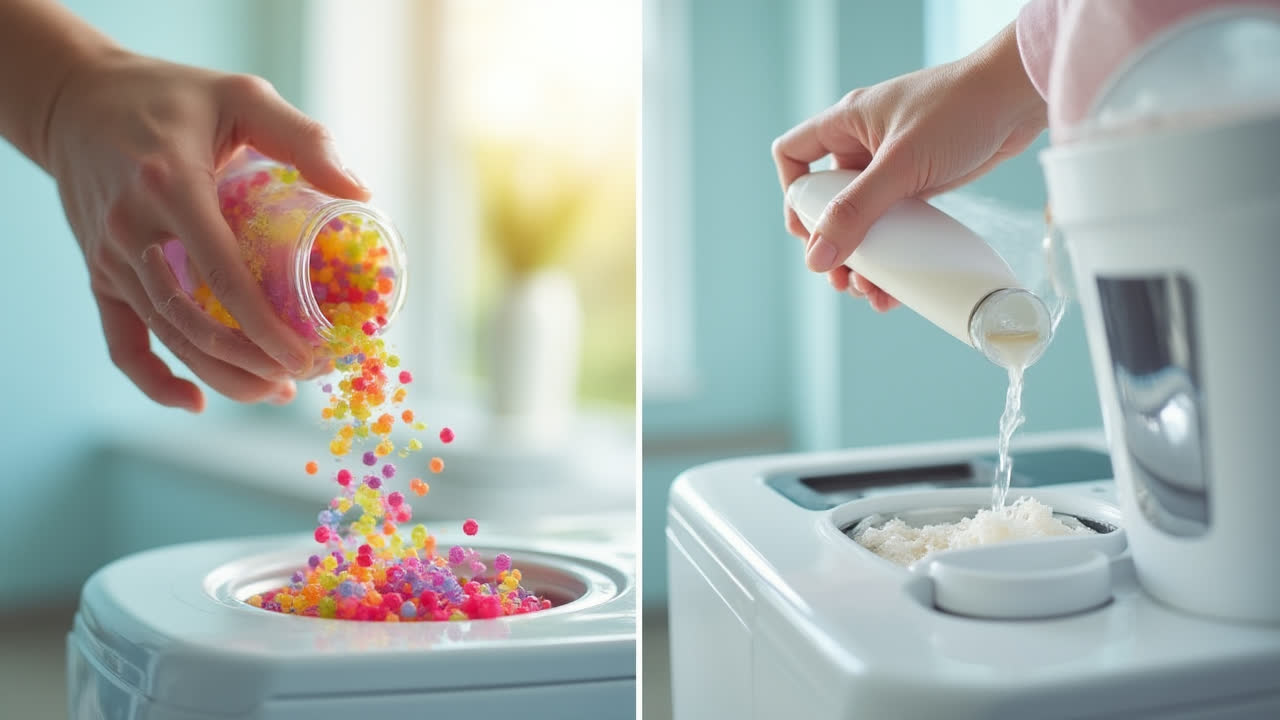
Both corn syrup and honey offer unique culinary properties that make them valuable in different cooking scenarios. Understanding when to use each can dramatically improve your cooking and baking results. Corn syrup shines in candy making due to its ability to prevent crystallization—a quality I've come to appreciate when making homemade caramels and fudge. It creates that perfect smooth, glossy texture that's hard to achieve with other sweeteners. For recipes like pecan pie, corn syrup provides the distinctive gooey texture that defines this classic dessert.
Honey, with its complex flavor profiles, adds dimensional sweetness to dishes that plain sugar or corn syrup simply can't match. I often use it in dressings, marinades, and glazes where its aromatic qualities can enhance the overall dish. When drizzled over fresh cheese or incorporated into a simple cake, honey's flavor truly sings. Remember that honey is sweeter than regular sugar or corn syrup—about 1.5 times sweeter—so you'll need to adjust quantities when substituting. In my experience, using about 3/4 cup of honey in place of 1 cup of sugar (and reducing other liquids slightly) works well in most recipes.
When substituting between these sweeteners, you'll need to consider more than just sweetness levels. Honey's acidity can affect chemical reactions in baking, particularly with leavening agents. I've found that adding a small pinch of baking soda (about 1/4 teaspoon per cup of honey) helps neutralize this acidity when replacing corn syrup or sugar in baked goods. Additionally, honey browns more quickly than corn syrup, so you may need to lower your oven temperature by about 25°F and watch baked goods carefully to prevent over-browning.
Temperature behavior is another important consideration. Honey and corn syrup react differently to heat, which matters significantly in candy making and certain cooking techniques. Corn syrup maintains more stable properties when heated to high temperatures, while honey's complex sugars can develop bitter notes if cooked too long or at too high a temperature. I learned this lesson the hard way when attempting honey caramels—now I know to use a lower heat and watch the temperature carefully when working with honey in high-heat applications.
Nutritional Comparison and Health Considerations
When comparing the nutritional profiles of corn syrup and honey, it's important to remember that both are still concentrated sugar sources and should be consumed in moderation. However, there are meaningful differences worth considering. Honey contains small amounts of vitamins, minerals, amino acids, and antioxidants that aren't present in corn syrup. These include trace amounts of vitamin C, calcium, iron, and numerous polyphenols with antioxidant properties. While these nutrients exist in relatively small quantities, they do give honey a slight nutritional edge over corn syrup, which is essentially devoid of micronutrients.
The glycemic index (GI) is another important factor to consider. This measures how quickly a food raises blood sugar levels. Regular corn syrup has a relatively high GI, causing more rapid spikes in blood sugar compared to honey. Honey's lower glycemic index is partly due to its higher fructose content, which metabolizes differently than glucose. For individuals monitoring blood sugar levels, this difference can be significant. I have a friend with diabetes who carefully chooses honey in very small amounts for this very reason, though she still uses it sparingly.
Raw, unprocessed honey offers additional health benefits that processed honey and corn syrup don't provide. It contains natural enzymes, bee pollen, and propolis—compounds that have been studied for potential antimicrobial, anti-inflammatory, and allergy-relieving properties. Some research suggests that local raw honey may help reduce seasonal allergy symptoms, though scientific evidence is still limited. Personally, I started using local raw honey years ago during allergy season, and while I can't prove it scientifically, I feel it has made a difference for me.
It's worth noting that honey should never be given to infants under 12 months of age due to the risk of botulism. Honey can contain spores of Clostridium botulinum bacteria, which infant digestive systems aren't developed enough to handle safely. This risk doesn't exist for older children and adults with mature immune systems. Corn syrup doesn't carry this same risk and is considered safe for all age groups, though obviously, all sweeteners should be limited in children's diets for optimal health.
Environmental Impact and Sustainability Considerations
The environmental footprints of corn syrup and honey differ significantly, which might influence your choice between these sweeteners. Conventional corn production, from which corn syrup is derived, often relies heavily on monoculture farming practices, synthetic fertilizers, pesticides, and substantial water usage. The industrial processing required to transform corn into syrup also consumes significant energy resources. However, it's worth noting that advances in sustainable farming practices are beginning to address some of these concerns, with more farmers adopting techniques like crop rotation, reduced tillage, and more targeted use of agricultural inputs.
Honey production, on the other hand, inherently supports pollination services that are crucial for many food crops and wild plant species. Honeybees pollinate approximately one-third of the food we eat, making them essential for global food security and ecosystem health. By purchasing honey, particularly from local beekeepers, you're indirectly supporting these vital ecological services. I've gotten to know several local beekeepers at my farmers' market, and their dedication to sustainable practices has deepened my appreciation for the honey I buy from them.
That said, commercial honey production isn't without environmental concerns. Large-scale migratory beekeeping operations, which transport hives across the country to pollinate commercial crops, can stress bee colonies and potentially spread diseases among bee populations. Additionally, honey production can sometimes compete with wild pollinators for floral resources. The most environmentally friendly honey tends to come from smaller-scale, stationary apiaries that prioritize bee health over maximum honey production.
For those concerned about environmental impact, sourcing becomes an important consideration. Local, raw honey from sustainable beekeeping operations generally has the lowest environmental footprint, while also supporting local agriculture and biodiversity. Similarly, corn syrup made from organically grown corn using more sustainable processing methods represents a better environmental choice than conventional products. These considerations have led me to be more mindful about where my sweeteners come from, often paying a premium for products that align with my environmental values.
Frequently Asked Questions
Can I substitute honey for corn syrup in any recipe?
While honey can substitute for corn syrup in many recipes, it's not ideal for all applications. Honey works well in baked goods, sauces, and many desserts, but it may not be suitable for candy recipes that rely on corn syrup's crystallization-inhibiting properties. When substituting, use about 3/4 cup honey for each cup of corn syrup and reduce other liquids slightly to compensate for honey's higher moisture content. Also, add a pinch of baking soda when using honey in baked goods to neutralize its acidity, and lower your oven temperature by about 25°F to prevent over-browning.
Is regular corn syrup the same as high-fructose corn syrup (HFCS)?
No, regular corn syrup and high-fructose corn syrup (HFCS) are different products. The corn syrup you buy in grocery stores is primarily glucose and is made by breaking down corn starch with enzymes. High-fructose corn syrup undergoes additional processing to convert some of its glucose into fructose, making it sweeter. HFCS is mainly used in commercial food production and is not typically sold directly to consumers. The health concerns often associated with corn syrup in the media are primarily focused on HFCS due to its higher fructose content and widespread use in processed foods.
Which is healthier: corn syrup or honey?
While both should be consumed in moderation as they are concentrated sugar sources, honey generally offers more nutritional benefits than corn syrup. Honey contains small amounts of vitamins, minerals, enzymes, antioxidants, and amino acids that aren't found in corn syrup. Raw, unprocessed honey retains even more of these beneficial compounds. Honey also has a lower glycemic index than corn syrup, meaning it causes a less dramatic spike in blood sugar levels. However, for those watching calories, it's worth noting that both sweeteners contain similar calorie counts, and moderation remains key regardless of which one you choose.
Conclusion: Making the Best Choice for Your Needs
Choosing between corn syrup and honey ultimately depends on your specific needs, preferences, and priorities. From a culinary perspective, each sweetener has applications where it truly excels. Corn syrup's neutral flavor and crystallization-preventing properties make it invaluable for candy making and certain desserts, while honey's complex flavor profiles and natural properties make it perfect for adding character to everything from baked goods to marinades.
From a health standpoint, honey offers more nutritional benefits, containing small amounts of vitamins, minerals, and antioxidants that corn syrup lacks. Its slightly lower glycemic index may also be advantageous for those monitoring blood sugar levels. However, it's important to remember that both are still concentrated sweeteners that should be consumed in moderation as part of a balanced diet.
Environmental and ethical considerations might also influence your choice. Supporting local beekeepers by purchasing their honey can have positive ecological impacts through the pollination services their bees provide. On the other hand, corn syrup production has been improving its sustainability practices over time.
In my own kitchen, I've found that keeping both sweeteners on hand allows me to select the best option for each specific culinary project. Rather than viewing them as competitors, I see corn syrup and honey as complementary ingredients, each with its own valuable place in the pantry. By understanding their unique properties and applications, you can make informed choices that enhance both your culinary creations and your overall well-being.