CPAP vs BIPAP: Understanding the Differences for Better Sleep
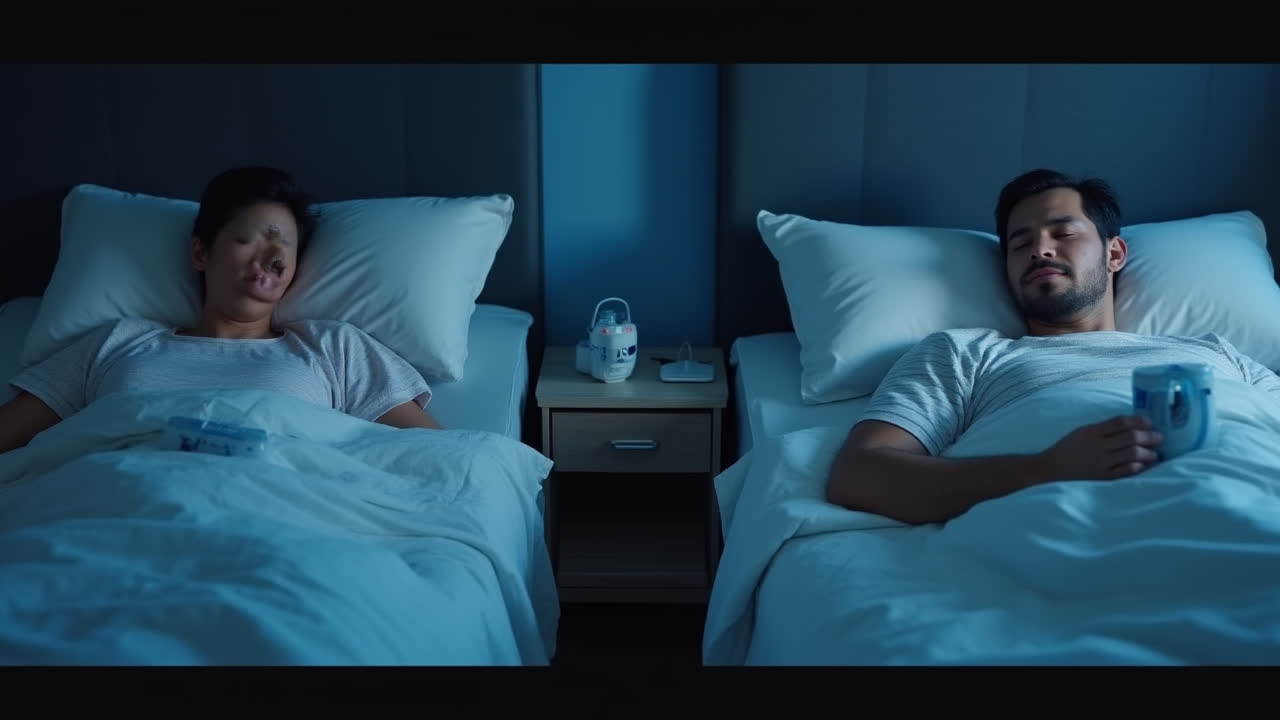
CPAP vs BIPAP: Understanding the Differences for Better Sleep
When it comes to managing sleep apnea and other breathing disorders, two primary machines dominate the market: CPAP and BIPAP. Both devices deliver pressurized air to help keep airways open during sleep, but they differ in crucial ways that can affect your comfort, treatment effectiveness, and overall sleep quality. If you're confused about which one might be right for you, trust me, you're not alone – I've had countless patients ask me this exact question during my years as a sleep therapist.
Let's break down what makes these machines unique, starting with the basics. CPAP, which stands for Continuous Positive Airway Pressure, delivers a steady, unchanging flow of pressurized air throughout the night. Think of it like having a gentle wind tunnel that keeps your airways from collapsing. BIPAP, or Bi-level Positive Airway Pressure, takes a different approach by providing two distinct pressure levels – one for inhalation and another for exhalation. It's essentially like having a smart breathing assistant that adjusts to your respiratory needs.
How CPAP Machines Work
CPAP machines are the workhorses of sleep apnea treatment, and honestly, they've saved countless nights of sleep for millions of people. The mechanism is surprisingly straightforward: a motor blows air through a tube, which connects to a mask worn over your nose, mouth, or both. The air pressure keeps your airways from collapsing, much like how a balloon stays inflated when you blow air into it.
I remember when I first saw a CPAP machine in action – it reminded me of a modern-day iron lung, but thankfully much smaller and quieter. These devices typically include several key components:
- A mask with adjustable straps for comfort
- A tube that connects the mask to the machine
- A motor that draws in room air and pressurizes it
- Sometimes a heated humidifier to prevent dryness
- Data tracking features to monitor your therapy
The beauty of CPAP lies in its simplicity. Once your doctor prescribes a specific pressure setting (usually measured in centimeters of water pressure, or cm H2O), the machine delivers that same pressure consistently throughout the night. This reliability makes CPAP particularly effective for people with straightforward obstructive sleep apnea.
Understanding BIPAP Technology
Now, BIPAP takes the concept a step further – and this is where things get interesting. Instead of one constant pressure, BIPAP offers two settings: IPAP (Inspiratory Positive Airway Pressure) for when you inhale, and EPAP (Expiratory Positive Airway Pressure) for when you exhale. The difference between these two pressures is typically 4-10 cm H2O, giving you a more natural breathing experience.
Think about it this way: when you breathe in, you need more pressure to help pull air into your lungs, especially if you have weak respiratory muscles. When you exhale, you need less resistance because you're pushing air out. BIPAP machines are smart enough to automatically switch between these two pressures, making breathing feel more natural. It's particularly helpful for people who find CPAP uncomfortable or who have specific medical conditions that make exhalation against pressure difficult.
Key Differences: CPAP vs BIPAP
The main differences between these two machines go beyond just pressure settings. Here's what you really need to know:
Pressure delivery is the fundamental difference. CPAP maintains one steady pressure throughout your breathing cycle, while BIPAP alternates between two pressures. This seemingly simple difference can be life-changing for some patients. I've had people switch from CPAP to BIPAP and literally tell me it felt like they could finally breathe properly while sleeping.
When it comes to comfort, BIPAP often wins the popularity contest. The dual-pressure system reduces the "fighting" sensation some people experience with CPAP when trying to exhale against constant pressure. It's like the difference between trying to blow up a balloon that's already partially inflated versus starting from scratch – BIPAP makes it easier to breathe out.
Detailed Comparison Table
| Feature | CPAP | BIPAP |
|---|---|---|
| Pressure Settings | Single continuous pressure | Two different pressures (IPAP and EPAP) |
| Breathing Comfort | Constant resistance when exhaling | Easier exhalation with lower pressure |
| Cost | Generally less expensive | Typically more expensive |
| Complexity | Simple to operate and maintain | More complex with additional settings |
| Best For | Obstructive sleep apnea | Complex sleep apnea, respiratory muscle weakness |
| Adjustment Time | Usually quicker to adapt | May take longer to get used to |
| Size/Portability | Generally more compact | Slightly larger due to more complex mechanics |
| Medical Indications | Primary choice for most sleep apnea cases | For CPAP failures, heart conditions, or breathing muscle disorders |
Which Machine is Right for You?
Choosing between CPAP and BIPAP isn't a decision you should make on your own – that's what sleep specialists are for. However, understanding the differences can help you have more informed conversations with your healthcare provider. CPAP is usually the first line of treatment because it's simpler, more cost-effective, and works well for the majority of sleep apnea patients.
BIPAP typically comes into play when CPAP hasn't worked well, when you're dealing with other respiratory issues alongside sleep apnea, or if you're having trouble exhaling against the constant pressure. I've seen patients who struggled with CPAP for months suddenly thrive on BIPAP – it's like finding the right key for a stubborn lock.
Daily Life Considerations
Here's something they don't always tell you: both machines come with their own learning curves. CPAP users often complain about feeling "claustrophobic" at first, while BIPAP users sometimes find the changing pressures take getting used to. But here's the encouraging part – most people adapt within a few weeks, and the improvement in sleep quality makes it worthwhile.
I always tell my patients to give themselves time to adjust. Think of it like starting a new exercise routine – it might feel awkward at first, but soon becomes second nature. Also, modern machines are surprisingly quiet – gone are the days of sleeping next to what sounded like a vacuum cleaner!
Common Misconceptions Cleared Up
Let me address some myths I hear constantly. No, BIPAP machines aren't just "fancy CPAP machines for rich people." They serve distinct medical purposes. And contrary to popular belief, you don't automatically need BIPAP if you're a "serious" sleep apnea case – sometimes mild cases respond better to BIPAP due to individual anatomical differences.
Another misconception: "BIPAP is always more comfortable." While many people find BIPAP more comfortable for exhalation, some actually prefer the consistency of CPAP. Comfort is highly individual, and what works for one person might not work for another.
Future of Sleep Therapy
The sleep therapy field is evolving rapidly. We're seeing more sophisticated machines with features like automatic pressure adjustment, wireless connectivity, and even integrated sleep tracking. Some newer CPAP machines now offer expiratory relief features that partially mimic BIPAP's dual-pressure approach.
As someone who's been in this field for years, I'm excited about where technology is taking us. The future promises even more personalized sleep therapy solutions, potentially eliminating the CPAP versus BIPAP debate altogether with adaptable machines that automatically adjust to individual needs.
Making Your Decision
Ultimately, whether you end up with CPAP or BIPAP, the most important thing is that you stick with your therapy. Untreated sleep apnea can lead to serious health complications including high blood pressure, heart disease, and daytime fatigue that can be dangerous.
Work closely with your sleep specialist to find the right machine for you. Don't be afraid to ask for adjustments or discuss switching machines if the first one doesn't work out. Your comfort and compliance are crucial for effective treatment.
Frequently Asked Questions
Can I switch from CPAP to BIPAP if I'm not comfortable?
Yes, you can potentially switch from CPAP to BIPAP, but this decision should be made with your sleep specialist. They'll evaluate whether your discomfort is due to machine settings, mask fit, or if you truly need the dual-pressure system that BIPAP provides. Sometimes simple adjustments to your CPAP, like adding expiratory pressure relief, can solve comfort issues without needing to switch machines.
Is BIPAP always more expensive than CPAP?
Generally, BIPAP machines are more expensive than CPAP machines due to their more complex technology. The price difference can range from a few hundred to over a thousand dollars. However, your insurance coverage may significantly affect your out-of-pocket costs. If your doctor determines that BIPAP is medically necessary for your condition, many insurance plans will cover it similarly to CPAP.
How long does it take to get used to CPAP or BIPAP therapy?
Most people adjust to CPAP or BIPAP therapy within 2-4 weeks, though some may adapt faster while others take a bit longer. The key is consistent use, even if just for a few hours each night initially. Start by wearing your mask while awake, then gradually increase usage time. If you're still struggling after a month, consult your sleep specialist about possible adjustments to pressure settings or mask fitting.