Culture vs Lifestyle: 8 Essential Differences You Need to Know
Have you ever wondered why people from different parts of the world have such varied ways of living? The answer lies in understanding the fundamental differences between culture and lifestyle. While these terms are often used interchangeably, they represent distinct aspects of human existence that shape our daily choices, behaviors, and perspectives.
As someone who has lived across three continents, I've experienced firsthand how cultural backgrounds influence personal lifestyle choices. The fascinating interplay between these two concepts not only explains social behaviors but also helps us appreciate the rich diversity of human experience.
Understanding Culture: The Collective Identity
Culture represents a complex whole that encompasses the shared beliefs, values, customs, behaviors, and artifacts that characterize a group or society. It's essentially the collective programming of the mind that distinguishes members of one group from another. According to renowned anthropologist E.B. Taylor, culture is a "complex whole which includes knowledge, belief, art, morals, law, custom and any other capabilities and habits acquired by man as a member of society."
Culture is inherently social and communal. It's transmitted from generation to generation through socialization processes and is maintained through collective participation. I remember visiting a traditional Japanese tea ceremony and being struck by how every gesture, from the way the host held the teacup to the specific movements used to prepare the tea, represented centuries of cultural tradition passed down through countless generations.
The elements of culture include language, religion, social norms, traditions, arts, literature, cuisine, dress, and architectural styles. These elements aren't biologically inherited but are acquired through learning and socialization. Culture provides people with a sense of identity and belonging, creating a framework for understanding the world and interacting with others.
While culture evolves over time, these changes typically occur gradually. What's particularly interesting is that culture isn't static—it responds to new challenges, technologies, and interactions with other cultures. However, this evolution often happens at a pace slow enough that many cultural traditions maintain their essential character across multiple generations.
Defining Lifestyle: Personal Choices Within Cultural Contexts
Lifestyle refers to the way an individual or group lives day-to-day, encompassing their behaviors, preferences, attitudes, and habits. Unlike culture, which emerges from collective experience, lifestyle often reflects individual choices and personal expression. Your lifestyle includes everything from how you spend your mornings to your dietary preferences, exercise routines, social activities, and consumption patterns.
I've noticed that my own lifestyle has shifted dramatically over the years—from the night-owl college days fueled by instant noodles to my current early-rising routine centered around home-cooked meals and morning exercise. These changes occurred within weeks or months, demonstrating how quickly lifestyle adaptations can happen compared to cultural shifts.
Lifestyle choices are influenced by various factors including personal values, economic circumstances, education, occupation, social class, and life stage. While culture provides the broader context, lifestyle allows for individual expression and adaptation within that context. Someone might fully embrace their cultural heritage while adopting lifestyle choices that differ significantly from traditional patterns.
Modern society has given rise to numerous lifestyle categories that cross cultural boundaries: minimalist lifestyles, digital nomads, fitness enthusiasts, sustainability advocates, and many others. These lifestyle communities often form around shared interests or values rather than shared cultural backgrounds, creating new forms of social connection and identity.
The Relationship Between Culture and Lifestyle
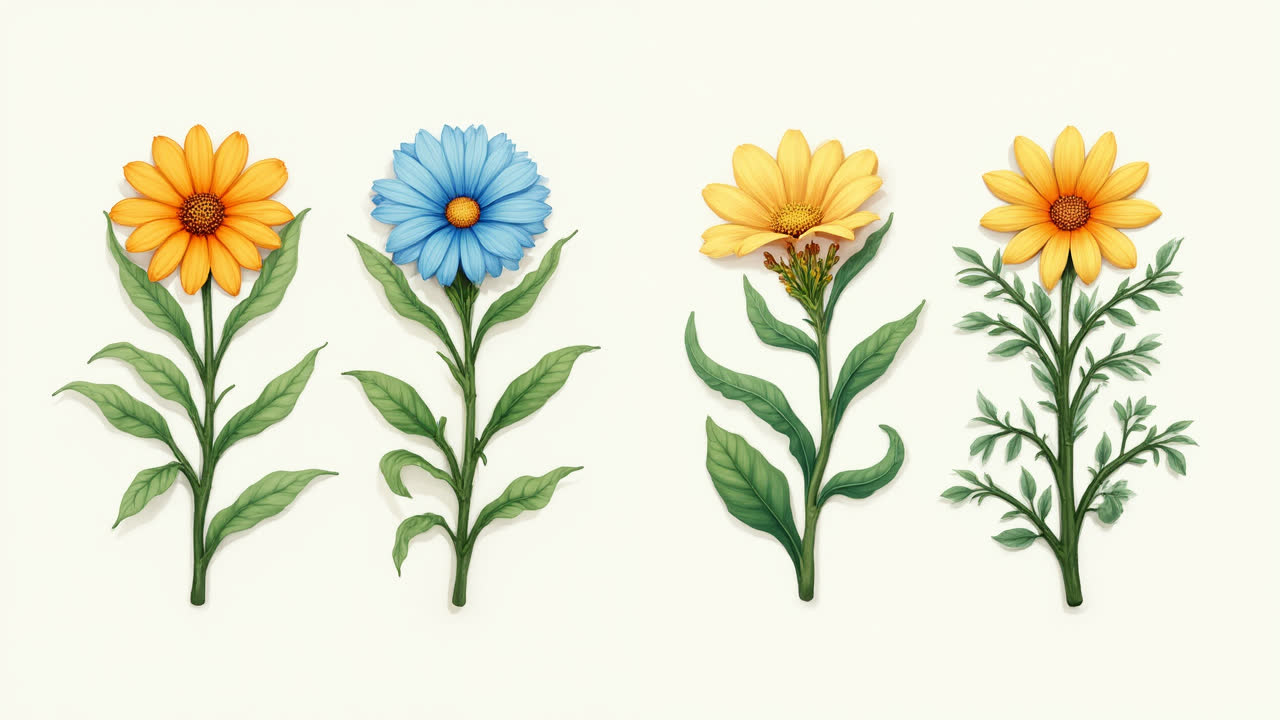
Culture provides the foundation and context within which lifestyle choices are made. Your cultural background establishes certain parameters, expectations, and resources that influence—but don't completely determine—how you choose to live. Think of culture as the soil and lifestyle as the particular plant that grows from it; the soil composition affects growth but doesn't dictate exactly what form the plant will take.
This dynamic relationship explains why people from the same cultural background often display different lifestyles. Take my brothers and me, for instance—we were raised in the same cultural environment but developed markedly different lifestyles. One embraced entrepreneurship and urban living, another chose rural life focused on community service, while I pursued an academic path that involved frequent travel. Our shared cultural values remain evident, but our expression of them differs significantly.
Globalization has added fascinating dimensions to this relationship. As cultures increasingly interact and influence each other, the range of lifestyle options available to individuals expands. Someone living in Tokyo might practice yoga (with roots in Indian culture), enjoy Italian cuisine for lunch, watch American films in the evening, and practice Scandinavian minimalism in their home décor. This cultural borrowing creates unique lifestyle patterns that wouldn't have been possible in more isolated societies.
When someone adapts to a new cultural environment, they often adjust their lifestyle first, gradually internalizing deeper cultural elements over time. I experienced this when moving abroad—initially, I adopted surface-level lifestyle changes like dining times and commuting patterns, but only years later began to absorb the underlying cultural attitudes toward time, relationships, and work-life balance.
Comparison: Culture vs Lifestyle
| Aspect | Culture | Lifestyle |
|---|---|---|
| Definition | Shared values, beliefs, customs, and social behaviors of a particular group | Individual or group patterns of living expressed through activities, interests, and choices |
| Scope | Collective and communal | Can be individual or shared by smaller groups |
| Formation | Developed over generations and historically grounded | Can form rapidly based on personal choices or circumstances |
| Transmission | Passed down through socialization and shared experiences | Adopted through personal choice, influence, or necessity |
| Adaptability | Changes gradually over long periods | Can change rapidly, even overnight |
| Expression | Traditions, language, arts, beliefs, social norms | Daily habits, consumption patterns, leisure activities, personal choices |
| Influence Direction | Influences lifestyle choices and provides context | Reflects individual expression within cultural context |
| Boundary Nature | Often defined by geographical, ethnic, or religious boundaries | Can cross cultural boundaries and form around shared interests |
Practical Examples of Culture vs Lifestyle Differences
To better understand the distinction between culture and lifestyle, let's examine some real-world examples that illustrate how these concepts manifest in daily life:
Food and Dining
In terms of culture, different societies have traditional cuisines, eating customs, and food taboos that have developed over centuries. Japanese culture includes specific traditions around food preparation, presentation, and consumption—from precise knife techniques to seasonal ingredients and aesthetic plating.
When it comes to lifestyle, an individual might choose to follow a vegan, keto, or intermittent fasting regimen regardless of their cultural background. Someone from Japan might adopt a Mediterranean diet for health reasons, representing a lifestyle choice that diverges from their cultural traditions while still maintaining other aspects of their cultural identity.
Clothing and Fashion
Cultural dress includes traditional garments like the Indian sari, Scottish kilt, or Japanese kimono, which carry historical significance and often convey information about identity, status, or occasion. These cultural clothing elements evolve slowly and maintain connections to historical practices.
Lifestyle fashion choices reflect personal taste, practical considerations, or affiliation with particular communities. A minimalist might own only 30 items of clothing, while a fashionista might follow seasonal trends regardless of cultural background. These choices can change quickly with personal preference or life circumstances.
Work and Time Management
Cultural attitudes toward work vary significantly—some cultures emphasize work-life balance and leisure (like the Danish concept of "hygge" or the Spanish "siesta"), while others prize long hours and dedication to professional achievement (as seen in certain East Asian countries).
Lifestyle approaches to work might include embracing digital nomadism, choosing part-time employment to pursue creative projects, or adopting the FIRE (Financial Independence, Retire Early) movement. These represent individual choices that may align with or diverge from cultural expectations.
The Impact of Technology on Culture and Lifestyle
Digital technologies have dramatically accelerated the evolution of both culture and lifestyle, though in different ways. Cultural elements now spread globally at unprecedented speed, creating hybrid cultural forms and allowing individuals greater exposure to diverse cultural influences. I've watched as K-pop music, originally specific to Korean culture, has become a global phenomenon that influences fashion, language learning, and entertainment preferences worldwide.
Technology has perhaps had an even more dramatic impact on lifestyle options. Remote work technologies have enabled lifestyle choices that were previously impossible, allowing people to work from tropical islands or mountain cabins while maintaining professional careers. Social media has created entirely new lifestyle categories like influencers and content creators, while health-tracking devices have spawned quantified-self lifestyles focused on optimizing bodily metrics.
This technological acceleration has created interesting tensions between cultural preservation and lifestyle innovation. Many cultures are working to maintain traditional practices while integrating new technologies and global influences. Meanwhile, lifestyle innovations continue to outpace cultural adaptation, creating situations where cultural values might conflict with emerging lifestyle possibilities.
Finding balance between honoring cultural heritage and embracing lifestyle innovation represents one of the central challenges for many individuals in the digital age. Those who successfully navigate this balance often develop a strong sense of cultural identity while remaining adaptable in their lifestyle choices, creating a dynamic equilibrium that allows for both stability and growth.
FAQ About Culture and Lifestyle
Can someone change their culture completely?
While someone can adopt many aspects of a new culture through acculturation or assimilation, completely changing one's culture is challenging because cultural identity forms during formative years and becomes deeply internalized. A person can learn new languages, customs, and practices, but their original cultural background often remains influential at subconscious levels. Rather than complete change, most people who immerse themselves in new cultures develop bicultural or multicultural identities that integrate elements from multiple cultural backgrounds. This creates a unique cultural perspective that blends various influences while retaining aspects of their original cultural identity.
How quickly can lifestyle changes affect well-being?
Lifestyle changes can begin affecting well-being remarkably quickly. Some physical effects, like improved sleep quality from digital detox or increased energy from dietary changes, can manifest within days. Psychological benefits such as reduced stress from meditation or increased happiness from regular social connection might be noticeable within 1-2 weeks of consistent practice. However, the most profound and lasting impacts typically emerge after several months of sustained lifestyle changes, as these alterations become habitual and lead to cumulative effects. The speed of improvement also depends on individual factors including genetics, previous health status, consistency in maintaining the changes, and the specific lifestyle modifications adopted.
Do subcultures represent culture or lifestyle?
Subcultures occupy a fascinating middle ground between culture and lifestyle. They function like miniature cultures, with their own shared values, norms, language, and symbols, but often form around lifestyle interests or practices. For example, skateboarding began as a lifestyle activity but developed into a subculture with distinct music, fashion, art, and social codes. Similarly, gaming communities have evolved beyond shared leisure activities into complex subcultures with their own terminology, hierarchies, and values. What makes subcultures particularly interesting is how they allow individuals to maintain connections to their broader cultural background while participating in communities that may cross traditional cultural boundaries, creating layered identities that reflect both mainstream cultural influences and specialized subcultural affiliations.
Conclusion: Navigating the Dance Between Culture and Lifestyle
Understanding the difference between culture and lifestyle offers valuable insights into both social dynamics and personal development. Culture provides the broader framework within which we make lifestyle choices, influencing our options while still allowing for considerable individual variation. This interplay explains why members of the same cultural group often display diverse lifestyles while retaining certain shared characteristics.
As our world becomes increasingly interconnected, the relationship between culture and lifestyle grows more complex and dynamic. Cultural elements spread across traditional boundaries, creating new hybrid forms, while lifestyle innovations emerge and disseminate at unprecedented speed. This creates both challenges and opportunities for individuals seeking to balance cultural heritage with personal expression.
Perhaps the most fulfilling approach is developing what anthropologists call "cultural fluency"—the ability to appreciate and navigate multiple cultural contexts while making intentional lifestyle choices that reflect personal values and aspirations. This balanced perspective allows us to honor cultural traditions while embracing the flexibility and innovation that lifestyle choices provide.
How do your cultural background and lifestyle choices interact? Have you found yourself adapting your lifestyle while maintaining cultural connections, or perhaps exploring new cultural influences that complement your preferred way of living? The ongoing conversation between culture and lifestyle remains one of the most fascinating aspects of human experience—constantly evolving yet always rooted in our fundamental need for both community and individual expression.