Environmental Health vs Community Health: Key Differences & Similarities
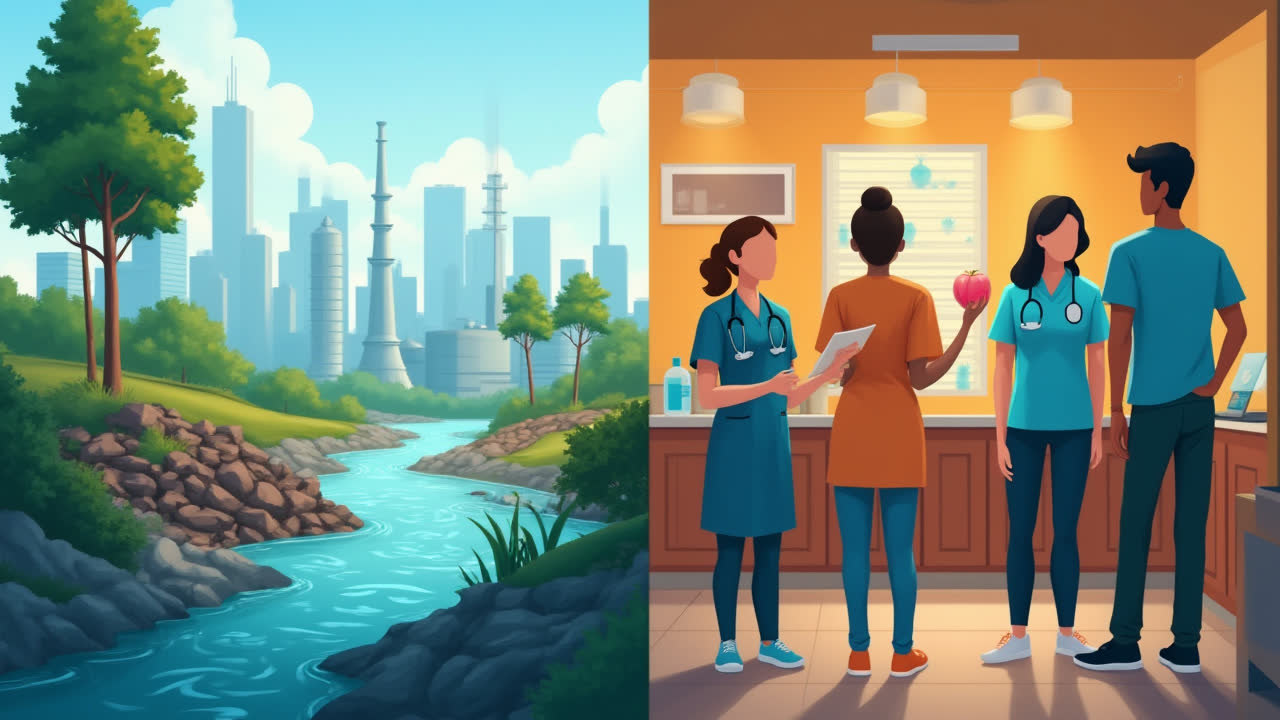
When discussing public health systems, two terms frequently come up: environmental health and community health. While both are crucial branches of public health aimed at improving population wellbeing, they approach this goal from different angles and with distinct focuses. Understanding the difference between environmental health and community health can help us appreciate how these complementary fields work together to create healthier societies.
I've spent years working with both environmental and community health professionals, and I'm always surprised by how often these terms are confused or used interchangeably. Let's clear up this confusion once and for all, shall we?
What is Environmental Health?
Environmental health is a branch of public health that examines how our surroundings and environmental factors affect human health and wellbeing. This field focuses on the relationships between people and their environment, studying how various environmental elements can either promote or harm human health. Environmental health professionals work to identify, evaluate, and control environmental factors that can potentially impact health.
Have you ever thought about how the quality of air you breathe affects your respiratory system? Or how contaminated water sources might lead to widespread illness? These are precisely the concerns that environmental health addresses. The field recognizes that humans need a safe and healthy environment to maintain good health and that environmental factors can significantly impact our wellbeing.
Environmental health extends beyond just natural environments to include built environments as well. It encompasses various aspects such as air quality, water safety, food hygiene, waste management, noise pollution, radiation protection, occupational health hazards, and climate change impacts. For instance, poor air quality can lead to respiratory diseases, while contaminated water sources can cause gastrointestinal illnesses.
Working in environmental health involves developing and implementing policies and programs aimed at reducing chemical and other environmental exposures in water, soil, air, and food. These efforts protect people and provide communities with the environmental conditions necessary for good health. Environmental health practitioners often collaborate with government agencies, research institutions, and community organizations to monitor environmental conditions, assess risks, and develop interventions to mitigate harmful environmental impacts on health.
What is Community Health?
Community health takes a different approach by focusing on people themselves and their role as determinants of their own and others' health. This branch of public health emphasizes maintaining, protecting, and improving the health of specific population groups and communities. Community health recognizes that health outcomes are influenced not only by individual behaviors but also by social, economic, and cultural factors within communities.
I remember working on a diabetes prevention program in a small town where we discovered that simply providing information wasn't enough—we needed to understand the community's food traditions, economic realities, and social structures to make any meaningful impact. That's community health in action.
The scope of community health is broad and encompasses various activities aimed at promoting health, preventing disease, and addressing health disparities within communities. It involves health education, preventive care, early intervention programs, disease management, and health promotion campaigns tailored to the specific needs and characteristics of different communities.
Medical work in community health is typically categorized into three main levels: primary, secondary, and tertiary health care. Primary health care focuses on disease prevention and health promotion through education, screenings, and early interventions. Secondary health care involves the administration of acute care in hospital settings for conditions that require more specialized treatment. Tertiary health care addresses long-term management of chronic diseases or disabilities, often involving highly specialized care and rehabilitation services.
Community health practitioners work closely with community members and organizations to identify health needs, develop appropriate interventions, and evaluate their effectiveness. They often employ participatory approaches that empower communities to take an active role in improving their own health. The success of community health initiatives largely depends on community engagement, cultural competence, and addressing social determinants of health such as education, income, housing, and access to healthcare services.
Key Differences Between Environmental Health and Community Health
| Comparison Factor | Environmental Health | Community Health |
|---|---|---|
| Primary Focus | Relationships between people and their environment | People and their role as determinants of health |
| Core Concern | How environmental factors affect human health | How social and behavioral factors affect health |
| Key Domains | Air, water, food safety, waste management, pollution control | Health education, disease prevention, healthcare access, health disparities |
| Intervention Level | Environmental regulations, monitoring, and modifications | Individual and population-level health services and education |
| Professional Approach | Risk assessment, environmental monitoring, policy development | Health promotion, community engagement, service delivery |
| Main Stakeholders | Environmental agencies, health departments, urban planners | Healthcare providers, community organizations, social services |
| Preventive Focus | Reducing environmental hazards and exposures | Promoting healthy behaviors and improving healthcare access |
| Success Metrics | Environmental quality indicators, exposure reduction | Health outcomes, behavioral changes, service utilization |
How Environmental and Community Health Intersect
Despite their differences, environmental health and community health are deeply interconnected and often work in tandem to address public health challenges. Many health issues require interventions at both environmental and community levels to achieve sustainable improvements in population health.
Consider, for example, the issue of lead exposure in a community. Environmental health professionals might focus on identifying sources of lead contamination, monitoring lead levels in water and soil, and implementing policies to reduce exposure. Simultaneously, community health workers might educate residents about the risks of lead exposure, provide screenings for affected individuals, and connect families with resources for treatment and support.
The COVID-19 pandemic has also highlighted the importance of both environmental and community health approaches. Environmental health measures included improving ventilation systems, developing protocols for sanitizing public spaces, and monitoring wastewater for virus levels. Community health strategies involved vaccination campaigns, contact tracing, health education, and addressing the pandemic's mental health impacts.
This intersection between environmental and community health is increasingly recognized in public health frameworks that adopt ecological models of health. These models acknowledge that health is influenced by multiple levels of factors, from individual characteristics to community resources to broader environmental conditions. Addressing complex health challenges effectively requires coordinated efforts across these different levels.
Importance of Both Fields in Public Health
Both environmental health and community health play vital roles in comprehensive public health systems. Environmental health protects populations from harmful exposures and creates environments conducive to good health, while community health empowers individuals and communities to adopt healthy behaviors and access needed services.
The importance of these fields becomes particularly evident when addressing health disparities. Environmental injustices often disproportionately affect disadvantaged communities, exposing them to greater environmental health risks. Community health approaches can help address these disparities by engaging affected communities, building their capacity to advocate for change, and ensuring equitable access to health resources.
Looking toward the future, both environmental and community health will face evolving challenges requiring innovative approaches. Climate change, emerging infectious diseases, urbanization, and technological developments will create new environmental health concerns. Simultaneously, changing demographics, healthcare system transformations, and evolving social determinants will shape community health priorities.
The most effective public health initiatives will likely be those that integrate environmental and community health perspectives, recognizing that sustainable health improvements require attention to both our environments and our social structures. By working together, environmental and community health professionals can create synergistic effects that enhance overall population health and wellbeing.
Career Paths in Environmental and Community Health
If you're interested in pursuing a career in either environmental or community health, it's worth understanding the different professional paths available in each field. Both offer rewarding opportunities to contribute to public health, though they involve different skill sets and work environments.
Environmental health careers often include positions such as environmental health specialist, industrial hygienist, environmental epidemiologist, food safety inspector, or environmental policy analyst. These roles typically require a strong background in natural sciences, environmental studies, or engineering, along with specialized training in environmental health principles and regulatory frameworks.
Community health careers, on the other hand, include community health worker, health educator, public health nurse, community outreach coordinator, or health program manager. These positions generally require skills in health education, community organizing, program planning, and cultural competence. Degrees in public health, health education, nursing, or social work can provide relevant preparation for community health roles.
Many professionals find that combining knowledge from both fields enhances their effectiveness and opens up additional career opportunities. For instance, someone with expertise in both environmental and community health might be particularly well-suited for roles in environmental justice advocacy, disaster response, or holistic community health planning.
Frequently Asked Questions About Environmental and Community Health
How do environmental health and community health work together in practice?
Environmental health and community health often collaborate on issues that require both environmental and social interventions. For example, in addressing asthma rates in a community, environmental health professionals might focus on reducing air pollutants and allergens in homes and neighborhoods, while community health workers might provide education on asthma management, connect patients with healthcare resources, and work with schools to support students with asthma. Together, these approaches can create more comprehensive and effective solutions to complex health problems.
What education is needed to work in environmental or community health?
For environmental health careers, a bachelor's degree in environmental health, environmental science, public health, or a related field is typically the minimum requirement. Some positions may require a master's degree in public health (MPH) with a concentration in environmental health or a similar graduate degree. For community health careers, educational requirements vary widely depending on the specific role. Community health workers might need a high school diploma plus specialized training, while health educators typically need at least a bachelor's degree in health education, public health, or a related field. Leadership positions in both fields often require advanced degrees and several years of experience. Both fields value additional certifications that demonstrate specialized knowledge and skills.
What are some major current challenges in environmental and community health?
Both fields face significant challenges in today's rapidly changing world. Environmental health challenges include climate change impacts on health, emerging contaminants in water supplies, air pollution in urban areas, antimicrobial resistance, and ensuring environmental justice for vulnerable populations. Community health challenges include addressing health disparities, improving healthcare access in underserved areas, combating chronic disease epidemics, responding to mental health needs, and building community resilience to disasters and public health emergencies. Both fields are also working to adapt to technological changes, demographic shifts, and evolving public health threats while developing sustainable, equitable approaches to improving population health.
Conclusion
Understanding the difference between environmental health and community health helps us appreciate how these two branches of public health complement each other in promoting population wellbeing. Environmental health focuses on the relationships between people and their environment, examining how environmental factors impact health and working to create healthier surroundings. Community health concentrates on people themselves and their role in determining health outcomes, emphasizing health promotion, disease prevention, and addressing social determinants of health.
While distinct in their approaches, these fields frequently collaborate to address complex public health challenges that have both environmental and social dimensions. The most effective public health systems integrate both perspectives, recognizing that healthy populations require both healthy environments and empowered communities.
Whether you're a student considering a career in public health, a professional working in one of these fields, or simply someone interested in understanding what shapes our collective health, appreciating the unique contributions and intersections of environmental and community health can provide valuable insights into how we can work together to create healthier societies for all.