Extract vs Essential Oil: 8 Critical Differences You Should Know
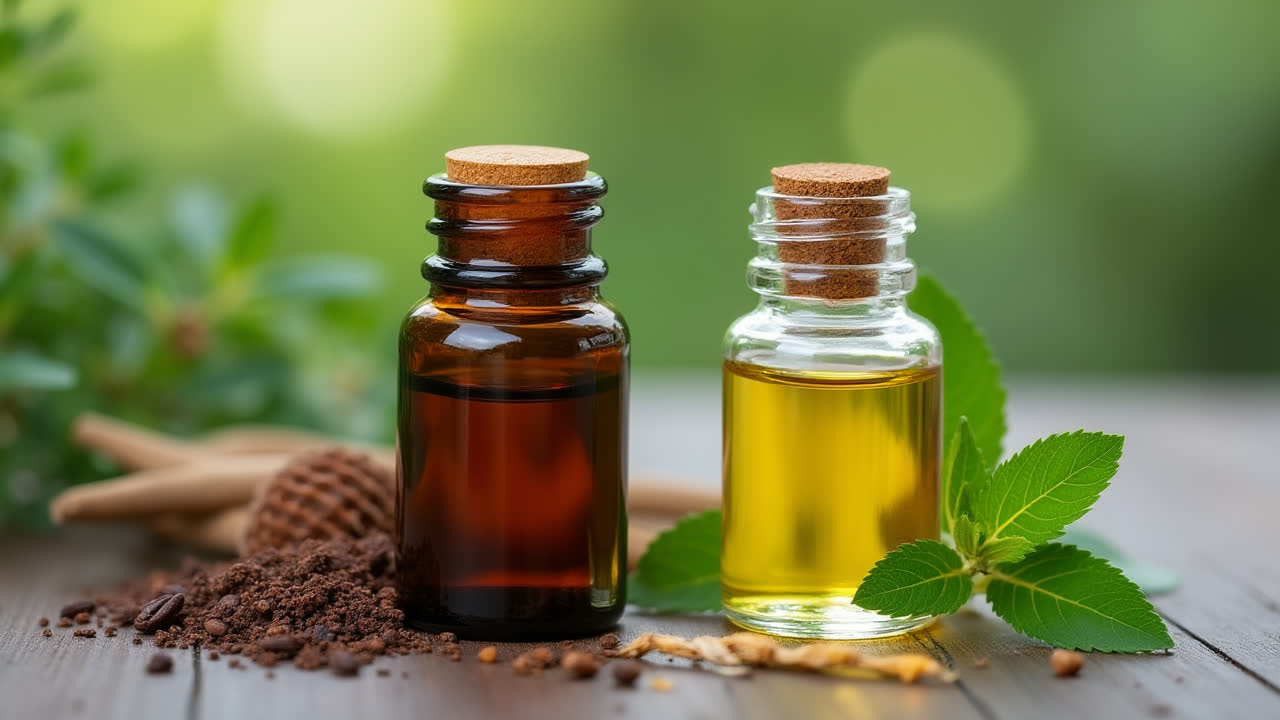
Confused about the difference between extract oil and essential oil? You're not alone. I've spent years working with both, and even I sometimes mix up their properties! Looking at these plant-derived liquids side-by-side, they might seem identical at first glance – but trust me, they couldn't be more different in how they're made and used.
The main difference between extract and essential oil lies in their concentration and aroma. Extract oils are generally diluted and lack the intense fragrance that characterizes essential oils. This distinction might seem subtle, but it dramatically affects how each product works and which situations call for one over the other.
Whether you're into aromatherapy, natural cooking, or homemade beauty products, understanding these differences is crucial for getting the results you want. Let's dive into what makes each of these natural oils unique and which might be better for your specific needs.
What Is Extract Oil?
Extract oil is obtained by straining plant materials from a liquid medium. The process typically begins with oleaginous (oil-containing) fruits like olives and palm, or oil-bearing seeds such as cotton, sesame, and soya beans. Have you ever wondered why some olive oils taste so much better than others? It's all in the extraction method!
Several extraction methods exist, each yielding slightly different results. Rendering works well for fleshy, oleaginous fruits, while mechanical pressing is ideal for oil-bearing seeds and nuts. I once visited an olive oil producer in Italy who still used traditional stone presses – the difference in taste compared to industrially produced oils was remarkable! The process typically involves breaking up seeds and nuts by grinding, flaking, or rolling before applying mechanical pressure to release the oil.
Another common method involves using volatile solvents to extract the oil. This technique can be more efficient but sometimes results in trace amounts of solvent remaining in the final product – something worth considering if you're particularly health-conscious.
Extract oils shine in food production thanks to their antimicrobial, antioxidant, and anti-browning properties. Manufacturers frequently use them to prevent spoilage and enhance the nutritional profile of various products. For example, plant extracts are often added to children's foods to make them more nutritionally effective while maintaining palatability. The extraction process also allows for manipulating or concentrating specific compounds, enabling the selective removal of unwanted components in a mixture.
What Is Essential Oil?
Aromatic powerhouses – that's how I think of essential oils. These concentrated hydrophobic liquids contain volatile chemical compounds from plants and are known by several names: volatile oils, ethereal oils, and aetheroleum. Unlike extract oils, essential oils capture the very essence and fragrance of plants, which explains their intense aroma.
The production of essential oils typically involves distillation, most commonly steam distillation. The process works by passing steam through plant materials, which vaporizes the volatile compounds. These vapors are then condensed back into liquid form, resulting in a highly concentrated oil. I remember being amazed when I learned that it takes approximately 250 pounds of rose petals to produce just one ounce of rose essential oil – no wonder it's so expensive!
Alternative extraction methods include expression (pressing), solvent extraction, absolute oil extraction, resin tapping, and cold pressing. Each technique is suited to different types of plant materials and desired end products. For instance, cold pressing works wonderfully for citrus peels, while more delicate flowers might require solvent extraction.
Essential oils have found their way into numerous commercial products. They're commonly used in perfumes, cosmetics, soaps, and air fresheners. The food and beverage industry utilizes them as natural flavoring agents. But perhaps their most well-known application is in aromatherapy, an alternative medicine practice that attributes healing effects to aromatic compounds. Many people swear by lavender essential oil for relaxation – and I must admit, I keep a bottle on my nightstand for those restless nights!
It's worth noting that despite their natural origins, essential oils can cause harm if used incorrectly. Inappropriate application may trigger allergic reactions and skin irritation. They can even be toxic if absorbed through the skin in large amounts, with children being particularly vulnerable to adverse effects. Always remember – natural doesn't automatically mean harmless.
Similarities Between Extract and Essential Oil
Before we dive deeper into their differences, it's important to acknowledge the common ground between extract and essential oils. These similarities often lead to confusion, but also hint at why both products remain popular in overlapping markets.
Both extract and essential oils share distillation as a possible extraction method. Though essential oils more commonly utilize distillation as their primary production technique, some extract oils can also be obtained through similar processes. The fundamental principle – separating desirable compounds from plant material – remains the same.
Another similarity lies in their culinary applications. Both types of oil help enhance the flavor profile of foods and beverages, albeit in different ways and concentrations. I've experimented with both in my kitchen – vanilla extract works beautifully in baking, while a drop of lemon essential oil can brighten up a glass of water (though you must ensure it's food-grade).
Finally, extract and essential oils both contain antioxidant properties that benefit health and preservation. These antioxidants help fight free radicals and can extend the shelf life of various products. This explains why both oil types find applications in natural health remedies and food preservation, though their specific mechanisms and efficacy may differ.
Key Differences Between Extract Oil and Essential Oil
Now let's explore the crucial distinctions that set these two natural products apart. Understanding these differences will help you choose the right option for your specific needs, whether culinary, therapeutic, or cosmetic.
| Characteristic | Extract Oil | Essential Oil |
|---|---|---|
| Definition | Oil taken after straining plant materials from liquid | Concentrated hydrophobic liquid containing volatile plant compounds |
| Primary Usage | Mainly food production | Perfumes, cosmetics, aromatherapy, food flavoring |
| Concentration | Generally diluted | Highly concentrated |
| Fragrance | Mild or no distinctive aroma | Strong, characteristic aroma |
| Preparation Difficulty | Relatively easy to prepare | Requires specific environment, equipment, and machinery |
| Plant Material Required | Moderate amount needed | Large amount needed for small oil yield |
| Potency | Lower potency | Higher potency |
| Shelf Life | Generally shorter | Usually longer |
The definition provides the foundational difference – extract oils are derived by straining plant materials from a liquid, while essential oils are concentrated hydrophobic liquids containing volatile compounds from plants. This fundamental distinction influences all other differences.
Usage patterns vary significantly between the two. While extract oils primarily serve food production purposes, essential oils have a broader application range, including perfumes, cosmetics, soaps, air fresheners, and aromatherapy. I once attended a workshop where the instructor showed us how to make natural cleaning products using essential oils – something that wouldn't work nearly as well with extract oils.
Concentration levels represent another major difference. Essential oils are purely concentrated, making them significantly more potent than their diluted extract counterparts. This explains why recipes typically call for several teaspoons of vanilla extract but only a drop or two of peppermint essential oil.
Perhaps the most immediately noticeable difference is fragrance. Essential oils possess strong, distinctive aromas that characterize their source plants, while extract oils typically lack such pronounced fragrances. This difference stems directly from the concentration of volatile aromatic compounds present in each.
Practical Applications and Considerations
Now that we understand the theoretical differences, let's explore how these distinctions translate to practical applications. Knowing which oil type suits which purpose can save you time, money, and potential disappointment.
For culinary uses, extract oils generally prove more versatile and forgiving. Their diluted nature makes them easier to work with in recipes, as there's less risk of overwhelming a dish. I learned this lesson the hard way when I once substituted orange essential oil for orange extract in a cake recipe – the result was practically inedible! Remember that not all essential oils are food-grade, and even those that are should be used with extreme caution in cooking.
In contrast, aromatherapy and natural perfumery almost exclusively rely on essential oils. Their concentrated aromatic compounds produce the potent scents necessary for these applications. The therapeutic benefits attributed to aromatherapy depend on these volatile compounds, which are present in much higher concentrations in essential oils than in extracts.
Cost considerations also play a role in choosing between the two. Essential oils typically come with higher price tags due to their intensive production requirements and concentrated nature. For instance, producing just one pound of lavender essential oil requires approximately 250 pounds of lavender flowers! Extract oils, with their less demanding production processes, generally offer more affordable alternatives when fragrance isn't the primary concern.
Storage requirements differ as well. Essential oils' concentrated nature generally grants them longer shelf lives than extract oils, provided they're stored properly in dark glass bottles away from heat and light. Extract oils, particularly those used in cooking, may require refrigeration after opening to maintain their quality. I keep my vanilla extract in the pantry, but my almond and lemon extracts go straight into the fridge to preserve their flavor.
Safety considerations cannot be overlooked, especially with essential oils. Their high concentration means they typically require dilution before skin application and should never be ingested without professional guidance. Extract oils, being naturally diluted, generally pose fewer safety concerns, though food-grade quality remains important for culinary applications.
Frequently Asked Questions
Can I substitute essential oil for extract oil in recipes?
You should exercise extreme caution when substituting essential oil for extract oil in recipes. Essential oils are significantly more concentrated than extracts, often 50-100 times stronger. If you must substitute, use only food-grade essential oils and dramatically reduce the quantity – typically just 1-2 drops of essential oil replaces a teaspoon or more of extract. Remember that not all essential oils are safe for internal use, regardless of their quality. When in doubt, stick with the extract called for in the recipe or consult with a professional aromatherapist or herbalist.
Are essential oils more effective than extracts for therapeutic purposes?
For aromatherapy and topical applications, essential oils are generally more effective than extracts due to their higher concentration of volatile aromatic compounds. These compounds are responsible for the therapeutic effects attributed to aromatherapy practices. However, "more effective" doesn't always mean "better" – the high potency of essential oils also makes them potentially more dangerous if misused. Extracts, while less potent, may be sufficient for mild therapeutic applications and typically pose fewer risks. The ideal choice depends on your specific needs, knowledge level, and comfort with handling concentrated substances.
How should I store extract oils versus essential oils?
Both extract oils and essential oils benefit from proper storage to maintain their quality and extend their shelf life. For essential oils, store them in dark glass bottles (amber or cobalt blue) away from direct sunlight and heat sources. Keep the caps tightly closed to prevent oxidation, and store at room temperature or slightly below. Most essential oils can last 1-5 years when stored properly. Extract oils used for cooking generally require more careful handling – many should be refrigerated after opening, particularly those with a higher water content. Check the label for specific storage instructions, as some culinary extracts contain alcohol as a preservative and can be stored at room temperature. Generally, culinary extracts remain good for 2-4 years.
Conclusion
While extract oils and essential oils share some similarities and applications, they remain fundamentally different products with unique properties and uses. Extract oils offer a diluted, milder option primarily suited for food production, while essential oils provide concentrated aromatic compounds ideal for perfumery, aromatherapy, and other applications requiring potent fragrances.
The key differences – concentration, fragrance intensity, preparation complexity, and required plant material – determine which oil type best suits specific needs. Understanding these distinctions helps consumers make informed choices and avoid potential disappointments or safety issues.
Whether you're cooking with vanilla extract or diffusing lavender essential oil, these plant-derived substances offer natural alternatives to synthetic products. By respecting their differences and following appropriate usage guidelines, you can safely enjoy the benefits each has to offer. I hope this guide helps clarify any confusion you might have had about these two similar yet distinct natural products!