Flame Cells vs Solenocytes: Understanding Key Differences in Invertebrate Excretion
Flame Cells vs Solenocytes: Understanding Key Differences in Invertebrate Excretion
Have you ever wondered how tiny creatures survive without the complex organs we have? Let me walk you through the fascinating world of flame cells and solenocytes – two remarkable excretory structures that help simple organisms manage their waste and water balance.
When diving into the microscopic realm of invertebrate biology, you'll quickly discover that flame cells and solenocytes are more than just fancy scientific terms. These specialized cells represent nature's ingenious solution to a fundamental problem: how do we keep things balanced when we don't have kidneys? Honestly, it's quite brilliant when you think about it.
What Exactly Are Flame Cells?
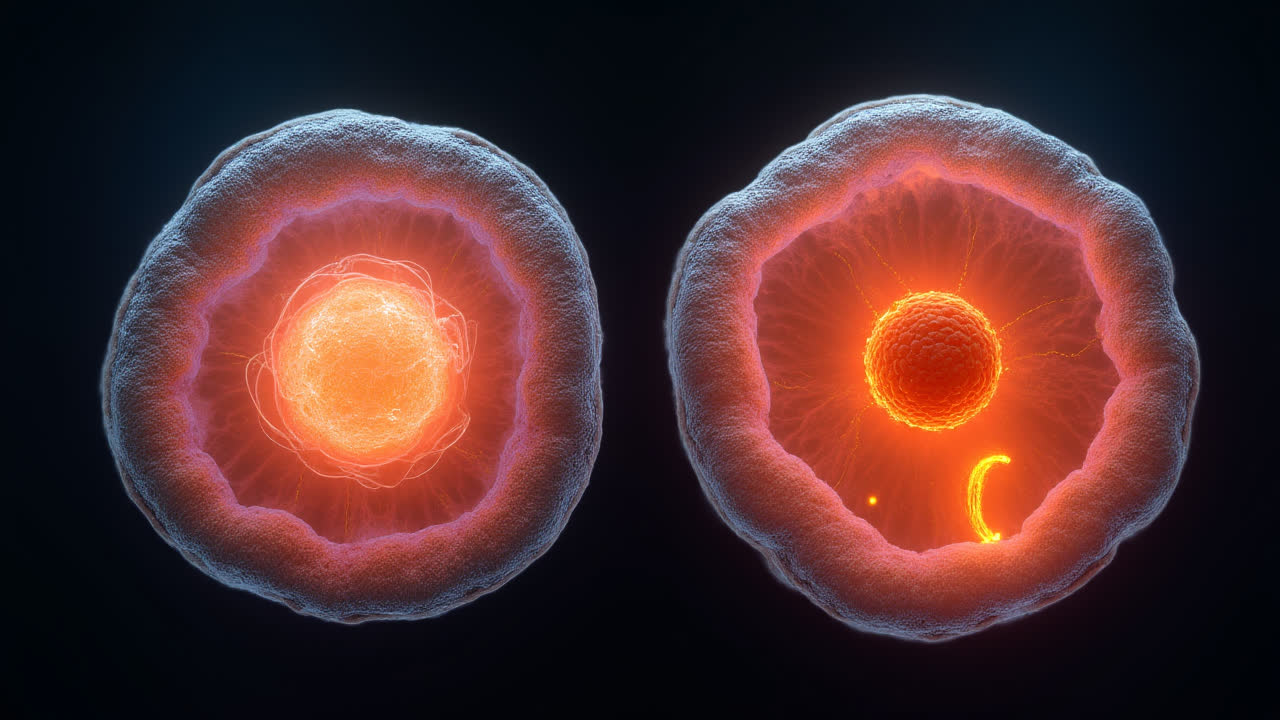
Picture this: a cell that looks like it contains a tiny flickering candle. That's essentially what flame cells are – specialized excretory structures that gained their poetic name from the constant beating motion of their internal structures. Pretty cool visual, right?
These microscopic marvels contain a nucleated cell body with a unique cup-shaped projection that houses flagella. When these flagella beat rhythmically, they create a visual reminiscent of a flame – hence the catchy name. A tube cell covered with cilia connects to this cup-shaped projection, allowing fluid movement through the system. I find it fascinating how something so small can be so perfectly engineered.
Fun fact: Flame cells don't just handle waste – they're like the body's internal plumbers, maintaining osmotic pressure and ionic balance. The molecules destined for excretion enter through gaps in the flame cell and then travel through the tube cell. It's a remarkably efficient system when you consider the scale.
You'll find these clever structures in the simplest freshwater invertebrates. We're talking about rotifers, nemerteans, and various flatworms. These organisms rely on flame cells to keep their internal environment just right – not too salty, not too dilute, but just perfect for survival.
Understanding Solenocytes: The Flagella-Only Excretory Cells
Now, let's shift our attention to solenocytes – flame cells' close cousins in the excretory world. While they share some similarities, these cells march to the beat of their own flagella (pun definitely intended).
Unlike flame cells, solenocytes are all about the flagella. They're elongated cells that you'll encounter in lower invertebrates, including flatworms, lancelets, and certain chordates. The way solenocytes operate reminds me of a specialized assembly line – each part has its specific function, and everything works in harmony.
What's particularly intriguing about solenocytes is their mesodermal origin. These cells develop a cytoplasmic cap that encloses the cell body and nucleus. The cell body attaches to a long tubule with an intracellular lumen. You know what's amazing? The morphological diversity of these cells shows nature's incredible adaptability – there's no one-size-fits-all approach to excretion.
Main Differences: The Cilia vs Flagella Showdown
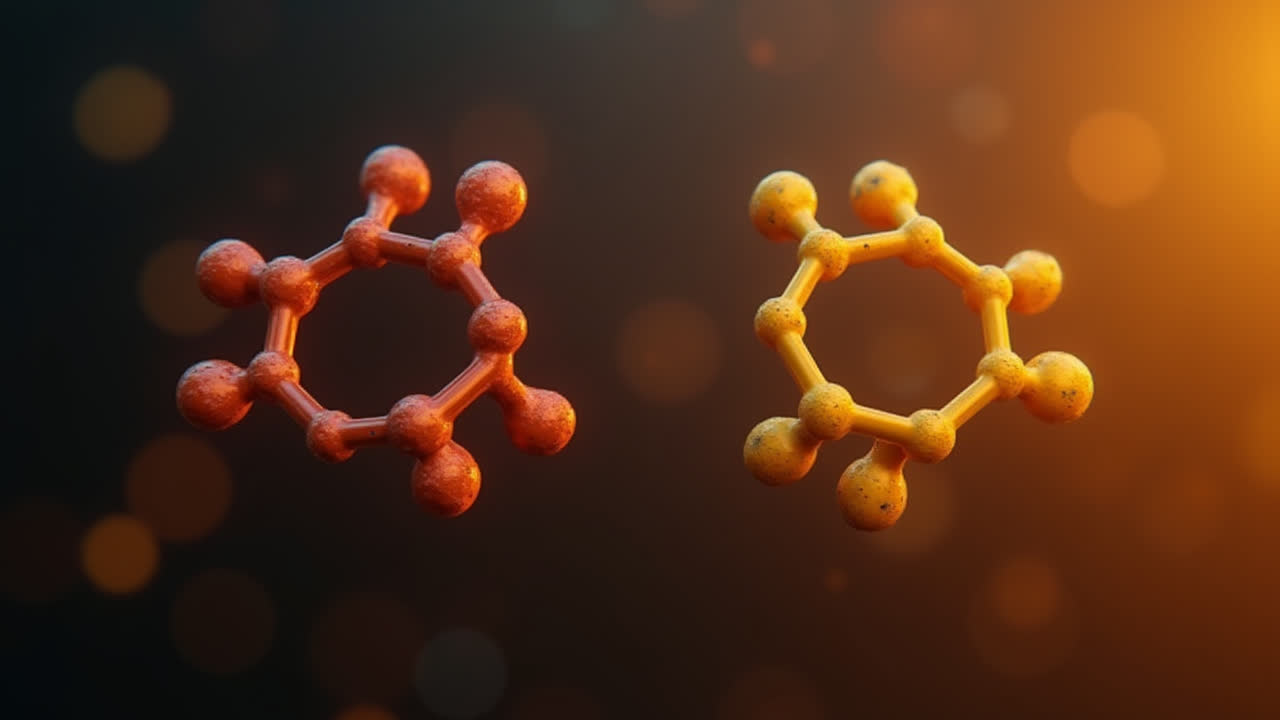
Here's where things get interesting. The primary difference between these two cell types boils down to their locomotory structures: flame cells sport both cilia and flagella, while solenocytes stick strictly to flagella. It's like choosing between a bike with training wheels versus a unicycle – both work, but they're fundamentally different approaches.
Let me break down some key distinctions that'll help you never confuse these two again:
- Structural composition: Flame cells have that distinctive cup-shaped projection with flagella, while solenocytes feature an elongated shape with pure flagella action
- Location preferences: Flame cells prefer the simplest freshwater environments, whereas solenocytes branch out into marine habitats
- Morphological diversity: Solenocytes show more variation in their structure compared to the more standardized flame cell design
Comparative Analysis: Side-by-Side Look
| Feature | Flame Cells | Solenocytes |
|---|---|---|
| Primary Structure | Contains both cilia and flagella | Contains only flagella |
| Cell Shape | Cup-shaped projection with tube | Elongated cell with long tubule |
| Occurrence | Rotifers, nemerteans, flatworms | Flatworms, lancelets, some chordates |
| Habitat | Primarily freshwater environments | Both freshwater and marine |
| Developmental Origin | Ectodermal origin | Mesodermal origin |
| Morphological Diversity | Relatively uniform structure | High morphological diversity |
| External Opening | Through nephropore or excretory bladder | Through external duct system |
| Common Function | Excretion, osmoregulation, ion balance | Excretion, osmoregulation, ion balance |
The Bigger Picture: Why These Cells Matter
You might be thinking, "Why should I care about these microscopic cells?" Well, understanding these structures gives us incredible insights into evolutionary biology. These tiny excretory systems represent intermediate steps between simple cellular diffusion and complex organ systems like kidneys.
The fact that both flame cells and solenocytes handle similar functions – excretion, osmoregulation, and ion regulation – but use different approaches tells us something profound about nature's problem-solving capabilities. Sometimes there's more than one right answer to a biological challenge.
In the grand scheme of things, studying these cells helps us understand how complex life evolved from simpler forms. Every time I examine these structures under a microscope, I'm reminded of nature's incredible engineering capabilities. It's like watching a master craftsman at work, creating solutions that are both elegant and efficient.
Practical Applications and Research Significance
Beyond the pure fascination factor, research into flame cells and solenocytes has practical applications. Understanding how these primitive excretory systems function can inform our knowledge about more complex renal systems. Some researchers are even exploring how these mechanisms might inspire new filtration technologies.
Plus, these cells serve as excellent model systems for studying basic cellular processes. Their relative simplicity makes them ideal for investigating fundamental questions about cell biology, development, and function. Whenever I teach about these structures, I always emphasize how studying the simple can illuminate the complex.
Personal Observations from the Lab
I've spent countless hours observing these fascinating structures under the microscope, and let me tell you – there's something almost hypnotic about watching flame cells in action. The rhythmic beating of their flagella really does create that flame-like appearance that gives them their name. It's one of those scientific phenomena that perfectly matches its descriptive terminology.
One thing that never fails to impress me is how efficiently these simple systems work. No complex plumbing, no elaborate feedback mechanisms – just straightforward physics and biology working in perfect harmony. Sometimes the most elegant solutions are the simplest ones.
Looking Toward the Future
As we continue to unravel the mysteries of these microscopic marvels, who knows what new discoveries await? Perhaps we'll find unexpected connections between these primitive systems and human physiology. Maybe we'll develop new biomimetic technologies inspired by their efficient designs.
What I do know is that the study of flame cells and solenocytes will continue to provide valuable insights into both basic biology and applied sciences. After all, understanding the foundations of life – even at its simplest levels – is key to advancing our knowledge at every scale.
FAQ: Flame Cells and Solenocytes
What is the main difference between flame cells and solenocytes?
The primary difference is that flame cells contain both cilia and flagella, while solenocytes only contain flagella. This structural difference affects their function and the environments where they're found.
Where are flame cells typically found?
Flame cells are found in the simplest freshwater invertebrates, including rotifers, nemerteans, and various flatworms. They're particularly well-adapted to freshwater environments where osmotic regulation is crucial.
Why are solenocytes found in marine organisms?
Solenocytes are found in both freshwater and marine organisms, particularly in lancelets and some chordates. Their flagella-only structure makes them well-suited for environments where precise fluid regulation is necessary, including marine settings.