Founder Effect vs Bottleneck Effect: Understanding Genetic Drift
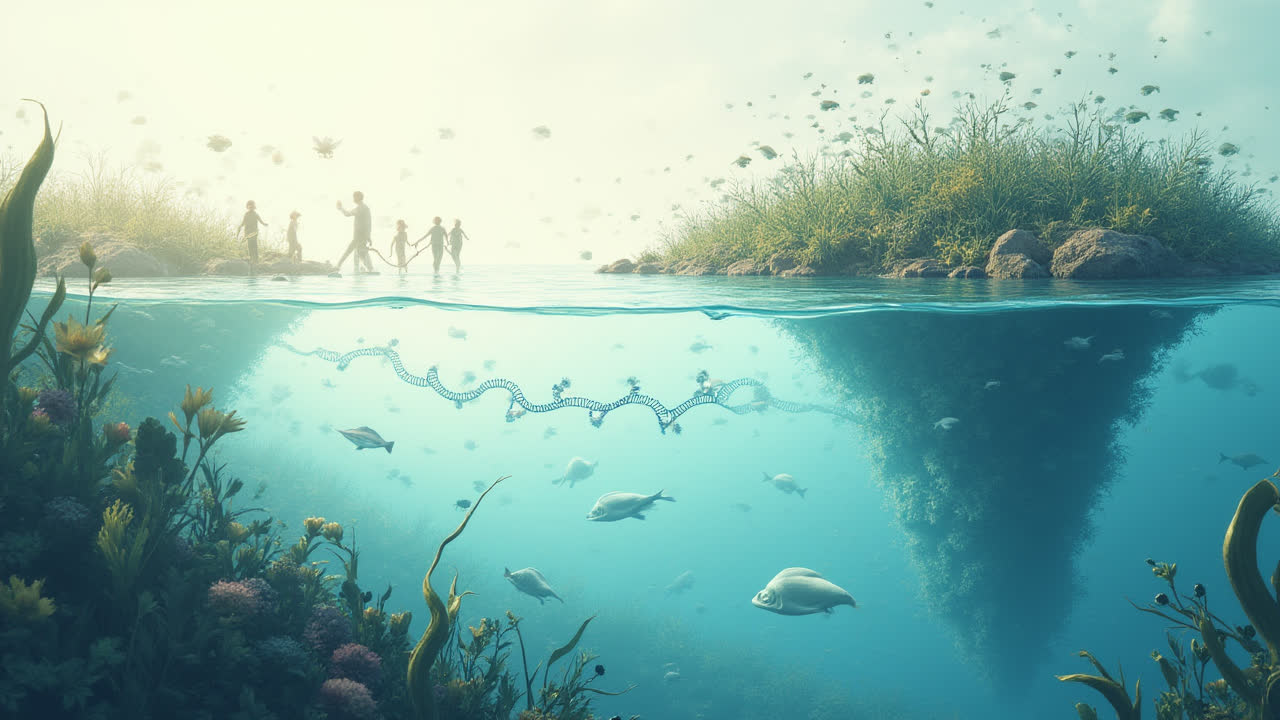
Have you ever wondered how genetic diversity changes when populations undergo dramatic shifts? The founder effect and bottleneck effect are two fascinating types of genetic drift that fundamentally alter the genetic makeup of populations. These phenomena might seem similar at first glance, but they operate through distinct mechanisms that shape evolution in remarkable ways.
As someone who's spent years studying population genetics, I find these concepts absolutely crucial for understanding how species evolve and adapt. Whether you're a biology student or simply curious about the forces that shape life on Earth, understanding these effects will give you a deeper appreciation for the complexity of nature's genetic blueprint.
Let's dive into the world of genetic drift and explore how founder effect and bottleneck effect differ, what makes them unique, and why they matter in evolutionary biology.
What is the Founder Effect?
The founder effect occurs when a small group of individuals becomes isolated from the main population, typically through migration to a new location. This isn't just about moving houses – it's about establishing an entirely new population with a dramatically reduced genetic pool!
Think about it: when only a handful of individuals colonize a new island or habitat, they bring with them only a tiny fraction of the original population's genetic diversity. This becomes the entire genetic foundation for the new population. Rare alleles from the original population might become common in the new colony, while other genetic variants disappear completely.
I've always found the Amish population in the United States to be a perfect real-world example. Their population descended from just a few founders, which led to certain genetic conditions being much more common than in the general population. It's a stark reminder of how powerful these effects can be!
The founder effect can lead to speciation in extreme cases, as the new population evolves independently from its ancestors. This process has been responsible for many of the unique species we find on isolated islands around the world.
Understanding the Bottleneck Effect
Now, let's shift gears to the bottleneck effect. Unlike the founder effect, this phenomenon involves a sharp reduction in population size within the same geographic area. Environmental catastrophes like earthquakes, floods, fires, or even human activities like hunting can trigger this effect.
Picture a population of thousands suddenly reduced to just dozens or hundreds. The surviving individuals represent only a small fraction of the original genetic diversity – like squeezing a wide-mouthed bottle through a narrow neck (hence the name!).
The northern elephant seal population is a classic example that always strikes me as remarkable. Overhunting in the 19th century reduced their population to just 20 individuals. Today, despite numbering over 30,000, they have significantly less genetic variation than their southern cousins who never experienced such a dramatic reduction.
Key Differences Between Founder Effect and Bottleneck Effect
While both effects reduce genetic variation through random sampling, their mechanisms couldn't be more different. The founder effect is like starting fresh with a small group in a new place, while the bottleneck effect is like surviving a catastrophe in the same location.
| Characteristic | Founder Effect | Bottleneck Effect |
|---|---|---|
| Cause | Migration of small group to new area | Environmental catastrophe reduces population size |
| Geographic Impact | Creates new population in different location | Affects original population in same location |
| Inbreeding Probability | High (limited founding members) | Very high (severely reduced population) |
| Effect on Original Population | No direct effect | Dramatic reduction in original population |
| Gene Pool Sampling | Non-random sample of original genes | Random sampling from original population |
| Common Examples | Island colonization, Amish populations | Earthquake survivors, overhunted species |
| Recovery Mechanism | Expansion from founders | Recovery from surviving individuals |
| Relationship | Can be trigger for bottleneck in new population | Broader category that can include founder events |
The Impact on Genetic Diversity
Both effects dramatically reduce allelic frequency in populations, but they do so through different pathways. The founder effect starts with a predetermined small group, while the bottleneck effect randomly eliminates individuals from a larger population.
What really fascinates me is how these effects can sometimes work together. A population that experiences a bottleneck might then have a small group migrate to establish a new colony, creating a double whammy of reduced genetic diversity. Nature has a way of combining challenges that really test a species' adaptability!
The good news? Populations can recover genetic diversity through gene flow from other populations, though this process can take many generations. This is why conservation biologists work so hard to maintain genetic corridors between populations of endangered species.
Evolutionary Significance and Real-World Examples
These genetic drift phenomena aren't just academic concepts – they've shaped the evolution of countless species, including humans. The famous "mitochondrial Eve" and "Y-chromosomal Adam" theories suggest that all modern humans descended from relatively small ancestral populations, representing massive bottleneck events in our evolutionary history.
In conservation biology, understanding these effects is crucial. When we protect endangered species with small population sizes, we're essentially witnessing these genetic phenomena in real-time. The Florida panther, for instance, shows signs of inbreeding depression due to its small population size – a direct consequence of bottleneck effects.
Climate change is creating new bottleneck scenarios as animal habitats shrink and become fragmented. Meanwhile, human-assisted migration programs sometimes intentionally create founder effects to establish populations in new, suitable habitats.
Implications for Modern Genetics and Conservation
As we face global environmental challenges, understanding founder and bottleneck effects becomes increasingly important. These concepts inform strategies for species reintroduction, captive breeding programs, and even human genetic diversity studies.
I often tell my students: every population on Earth has experienced these effects at some point in their evolutionary history. Some populations bounce back stronger, developing unique adaptations that help them thrive. Others struggle with reduced genetic variation that makes them vulnerable to new challenges.
The key takeaway? Genetic diversity is the raw material for evolution, and understanding how founder and bottleneck effects reduce this diversity helps us appreciate why conservation efforts often focus on maintaining large, connected populations rather than isolated small ones.
Frequently Asked Questions
Can a population experience both founder and bottleneck effects?
Yes, absolutely! A population might first experience a bottleneck due to environmental events, then have a small group emigrate to establish a new colony (founder effect). This can result in extremely low genetic diversity in the new population.
How long does it take for populations to recover genetic diversity after these effects?
Recovery time varies greatly depending on factors like population size, generation time, and gene flow from other populations. Some populations may take hundreds or thousands of generations to recover significant genetic diversity, while others may never fully recover their original variation.
Are founder effect and bottleneck effect the only types of genetic drift?
While founder and bottleneck effects are the two main types of genetic drift, random sampling can occur in many ways. Any process that causes random changes in allele frequencies, regardless of their adaptive value, constitutes genetic drift.