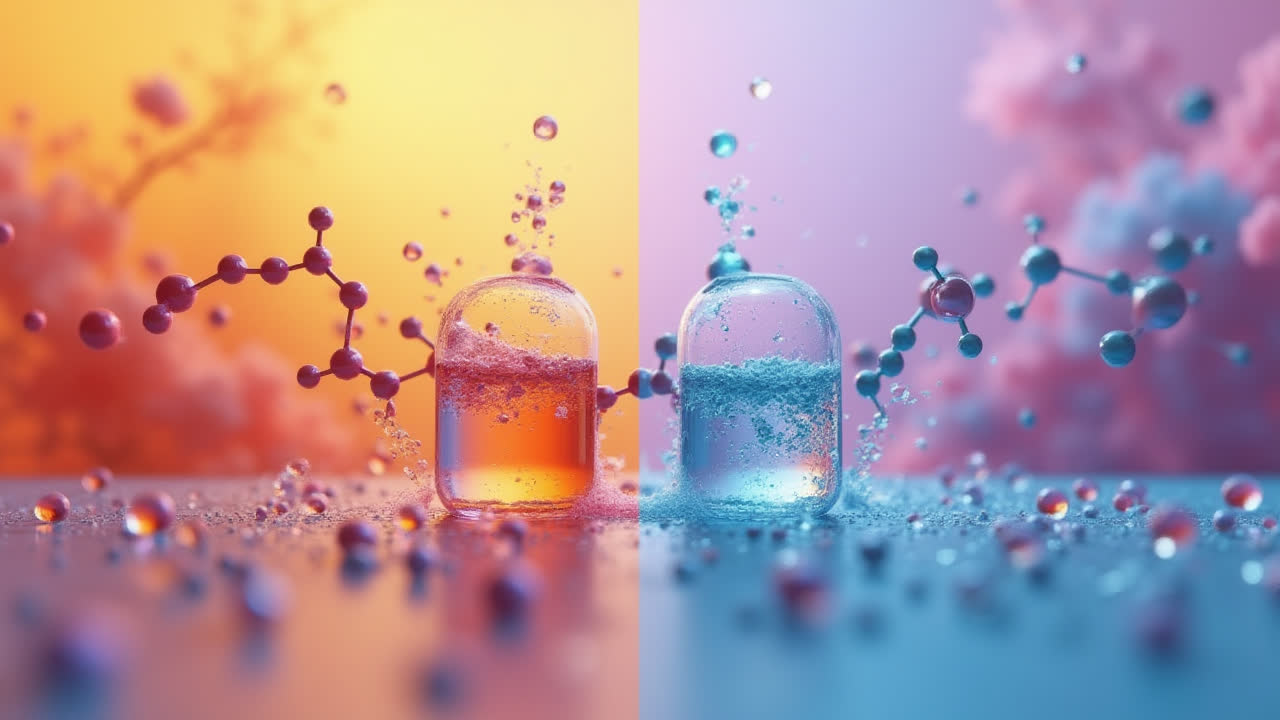
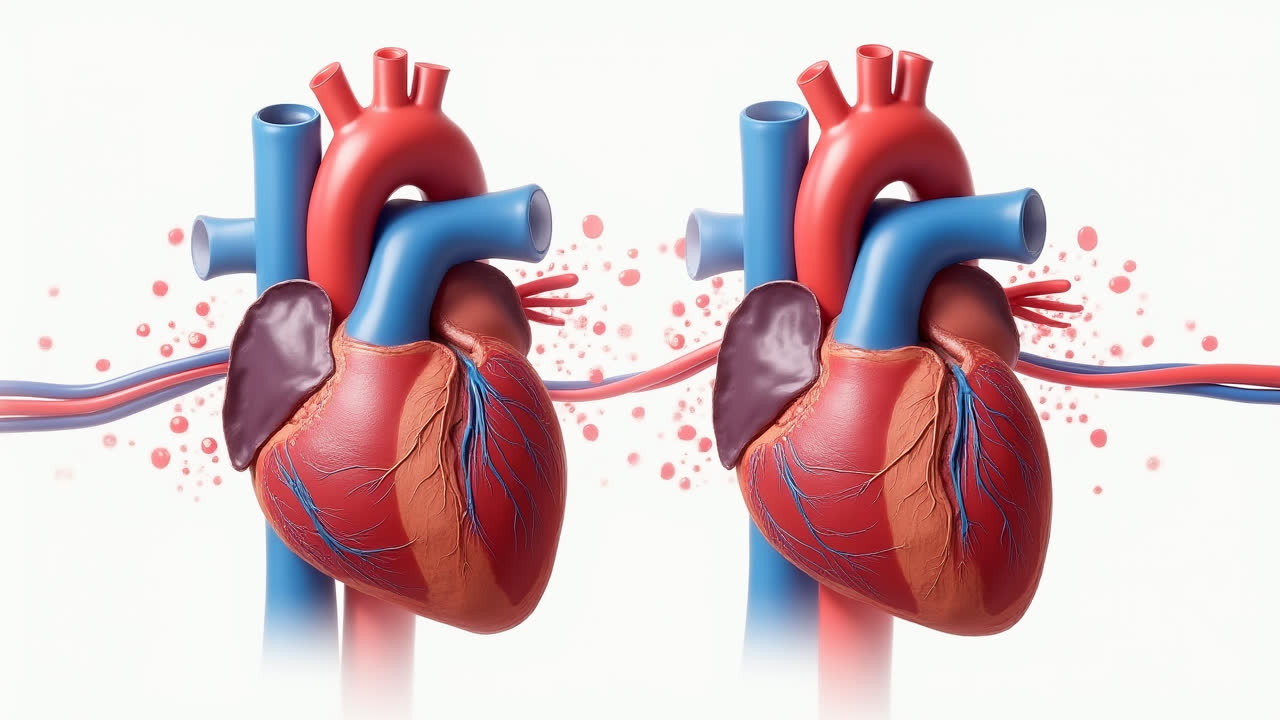
Glutamate vs Glutamine: Understanding Key Differences
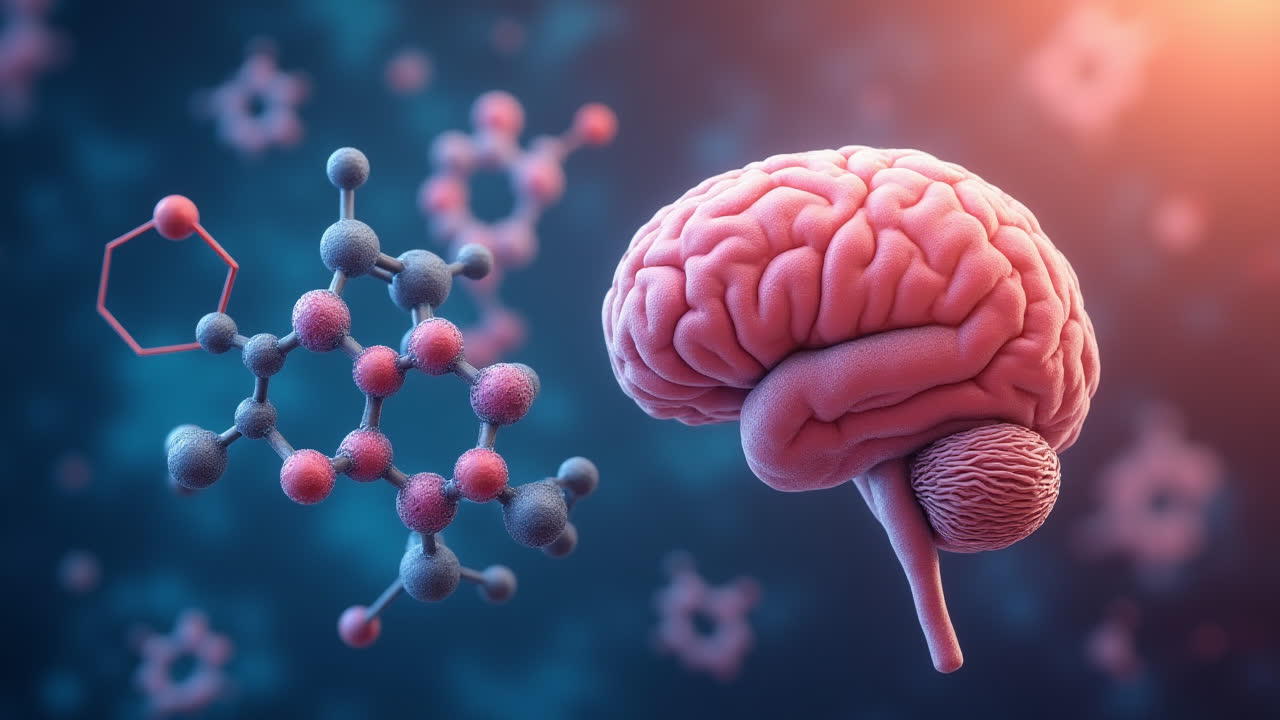
Understanding Amino Acids: The Building Blocks of Life
Before diving into the specifics of glutamate and glutamine, it's helpful to understand what amino acids actually are. Amino acids are organic compounds containing both amino and carboxylic acid functional groups. They're often referred to as the "building blocks of life" because they combine to form proteins, which are essential components of all living cells.
While nature contains many different amino acids, our human bodies require just 20 specific ones to create all the proteins necessary for our survival and functioning. These 20 amino acids are categorized into three groups: essential (those we must obtain from food), non-essential (those our bodies can produce), and conditionally essential (those that become essential under certain conditions like illness or stress).
I've always found it fascinating how these tiny molecular structures can have such profound impacts on our health. Just think about it – these microscopic compounds are responsible for building everything from your muscles to your immune system! Among these critical amino acids, glutamate and glutamine stand out for their unique and vital roles in the body.
What is Glutamate?
Glutamate is classified as a non-essential amino acid, meaning your body can produce it naturally without requiring it from dietary sources. Beyond being an amino acid, glutamate serves as the most abundant excitatory neurotransmitter in the brain. But what does that actually mean? Essentially, glutamate works to stimulate nerve cells, facilitating communication between neurons and enabling crucial brain functions.
The process of neural communication involving glutamate is quite remarkable. Stored in synaptic vesicles at the ends of nerve cells, glutamate molecules are released into the space between neurons when an electrical charge travels along the nerve cell. These molecules then bind to specific receptors on the next nerve cell, triggering changes that allow signals to be transmitted from one neuron to another. It's a bit like a molecular relay race, with glutamate passing the baton of information.
I once had a neuroscientist explain it to me this way: "If your brain were an orchestra, glutamate would be conducting much of the music." Without adequate glutamate function, the symphony of brain activity would fall into disarray. This neurotransmitter plays crucial roles in learning and memory formation, acting as chemical messengers, and even serving as an energy source for brain cells. Interestingly, glutamate can bind to four different types of receptors in the brain, allowing it to have varied effects depending on which receptor it activates.
Glutamate is synthesized in the glial cells of the brain and is also necessary for producing another important neurotransmitter called gamma-aminobutyric acid (GABA). The balance between glutamate (excitatory) and GABA (inhibitory) is essential for proper brain function. When this balance is disturbed, it can contribute to various neurological conditions, highlighting just how important this amino acid is to our cognitive health.
What is Glutamine?
While similar in name to glutamate, glutamine serves distinctly different functions in the body. Glutamine holds the title of being the most abundant amino acid in the human body and is one of the 20 amino acids that constitute all proteins. What makes glutamine particularly interesting is its classification as a conditionally essential amino acid. Under normal circumstances, your body produces sufficient amounts, but during times of physical stress, illness, or trauma, dietary sources become necessary to meet increased demands.
You can find glutamine in various protein-rich foods such as beef, chicken, fish, eggs, and plant sources like cabbage, spinach, papaya, and wheat. I remember when I was recovering from a particularly strenuous hiking expedition, my doctor specifically recommended increasing my glutamine intake to help with muscle recovery. It made a noticeable difference in my recuperation time!
One of glutamine's most vital roles is supporting the immune system. It serves as fuel for immune cells, including white blood cells and certain intestinal cells. This function becomes especially important during illness or injury when your immune system is working overtime. Haven't you noticed how your body seems to require more nutrients when you're fighting off an infection? That's partly because your glutamine needs increase dramatically during these times.
Beyond immune support, glutamine participates in protein synthesis and lipid (fat) synthesis. It helps regulate the acid-base balance in your kidneys by producing ammonium and serves as a non-toxic transporter of ammonia in blood circulation. Glutamine also plays a role as a nitrogen donor for numerous anabolic processes in the body. These diverse functions underscore why glutamine becomes so crucial during times of physiological stress when the body's demands for tissue repair and immune function increase substantially.
Glutamate vs Glutamine: Comparison Table
| Feature | Glutamate | Glutamine |
|---|---|---|
| Classification | Non-essential amino acid | Conditionally essential amino acid |
| Primary Role | Excitatory neurotransmitter | Immune system support and nitrogen transport |
| Abundance | Most abundant excitatory neurotransmitter in brain | Most abundant amino acid in the body |
| Synthesis Location | Primarily in glial cells of the brain | Throughout the body, especially in muscles |
| Key Functions | Learning, memory, chemical messaging, brain energy source | Immune support, protein synthesis, acid-base regulation, ammonia transport |
| Dietary Sources | Body produces sufficient amounts | Beef, chicken, fish, eggs, cabbage, wheat, spinach |
| Dependency Conditions | Always non-essential | Becomes essential during trauma, illness, or stress |
| Chemical Structure | Divalent anion of glutamic acid | Derived from glutamic acid with an amino group |
The Relationship Between Glutamate and Glutamine
Despite their distinct roles, glutamate and glutamine share a close biochemical relationship. In fact, they can convert into one another through enzymatic reactions in what's known as the glutamate-glutamine cycle. This cycle is particularly important in the brain, where glutamate released during neurotransmission is taken up by astrocytes (a type of glial cell) and converted to glutamine.
The glutamine is then transferred back to neurons where it's converted back to glutamate, ready to be used as a neurotransmitter again. This recycling process is crucial for maintaining proper glutamate levels in the brain and preventing excitotoxicity – a condition where excessive glutamate activity damages or kills nerve cells through overstimulation.
I once attended a lecture where a biochemist compared this cycle to an eco-friendly manufacturing process: "Nothing goes to waste. The body recycles and repurposes these molecules with remarkable efficiency." This interconnected relationship highlights how our bodies have evolved sophisticated systems for maintaining the delicate balance of these important amino acids.
Understanding the glutamate-glutamine cycle has significant implications for neurological health. Disruptions in this cycle have been associated with various neurological conditions, including epilepsy, Alzheimer's disease, and amyotrophic lateral sclerosis (ALS). Research into therapies targeting this cycle continues to be an active area of investigation, offering potential new approaches for treating these challenging conditions.
Health Implications and Supplementation
Given their vital roles in the body, imbalances in either glutamate or glutamine can have significant health implications. Excessive glutamate activity in the brain has been linked to excitotoxicity, which may contribute to neurodegenerative diseases and certain forms of brain damage. Conversely, inadequate glutamine levels, particularly during periods of illness or physical stress, may compromise immune function and slow recovery.
Glutamine supplementation has gained popularity in certain contexts, particularly among athletes and individuals recovering from surgery or illness. Some studies suggest potential benefits for gut health, immune function, and recovery from intense exercise. However, it's worth noting that for most healthy individuals consuming adequate protein, additional glutamine supplementation may not be necessary.
I remember when a friend who was undergoing chemotherapy was advised to take glutamine supplements to help protect the lining of her digestive tract from damage. While it seemed to help in her case, it's always important to remember that supplements should be taken under medical supervision, especially in clinical situations.
Regarding glutamate, dietary sources include foods high in glutamic acid or its salt form, monosodium glutamate (MSG). While there's been considerable controversy surrounding MSG, most scientific evidence suggests it's safe for the general population when consumed in moderate amounts. However, some individuals may be sensitive to it and experience temporary symptoms after consuming foods with high MSG content.
As with many aspects of nutrition and supplementation, the key is balance and individualization. What works for one person may not be appropriate for another, and it's always wise to consult healthcare professionals before beginning any supplementation regimen, especially if you have existing health conditions or are taking medications.
Key Takeaways: Glutamate vs Glutamine
To summarize the key differences between these two important amino acids:
- Glutamate is a non-essential amino acid that functions primarily as an excitatory neurotransmitter in the brain, facilitating learning, memory, and neural communication.
- Glutamine is a conditionally essential amino acid that supports immune function, serves as a nitrogen donor, and becomes particularly important during times of physical stress or illness.
- While glutamate is focused primarily on brain function, glutamine has broader roles throughout the body, including immune support, protein synthesis, and acid-base regulation.
- The two amino acids are biochemically related and can convert into one another through the glutamate-glutamine cycle, an important process for maintaining proper glutamate levels in the brain.
Frequently Asked Questions About Glutamate and Glutamine
Can you take glutamine supplements daily?
For most healthy individuals, glutamine supplementation isn't necessary as the body naturally produces sufficient amounts, and you get additional glutamine from protein-rich foods. However, during periods of intense physical stress, such as during heavy athletic training or recovery from illness, some people may benefit from supplementation. If you're considering daily glutamine supplements, it's best to consult with a healthcare provider who can provide personalized advice based on your specific health needs and goals. Typical dosages range from 5-30g daily, but the appropriate amount varies significantly based on individual circumstances.
How does glutamate affect brain function?
Glutamate is the brain's primary excitatory neurotransmitter, meaning it stimulates neurons and facilitates the transmission of signals between nerve cells. It plays critical roles in learning and memory formation, synaptic plasticity (the ability of synapses to strengthen or weaken over time), and overall cognitive function. Proper glutamate signaling is essential for normal brain development and function. However, excessive glutamate activity can lead to excitotoxicity, a process where neurons become overstimulated to the point of damage or death. Maintaining the right balance of glutamate is crucial for brain health, and disruptions in glutamate signaling have been implicated in various neurological and psychiatric conditions, including epilepsy, stroke, traumatic brain injury, and certain neurodegenerative diseases.
Is glutamine beneficial for gut health?
Yes, glutamine appears to play important roles in maintaining gut health. The cells lining the intestinal tract use glutamine as a primary fuel source, and research suggests that glutamine supplementation may help maintain the integrity of the intestinal barrier. This is particularly relevant during times of stress or illness when the gut barrier can become compromised. Some studies indicate that glutamine may help reduce intestinal permeability (often referred to as "leaky gut") and support recovery from conditions like inflammatory bowel disease, short bowel syndrome, and the intestinal damage that can occur during chemotherapy or radiation treatment. Additionally, glutamine may support the growth of beneficial gut bacteria and help regulate immune responses in the gut. While more research is needed to fully understand the extent of glutamine's benefits for gut health, current evidence suggests it may be a valuable nutrient for supporting digestive wellness, especially during recovery from illness or digestive conditions.
Conclusion
Understanding the differences between glutamate and glutamine provides valuable insights into how these amino acids contribute to our overall health and well-being. While they may have similar names and a shared biochemical relationship, their functions and roles in the body are distinctly different yet complementary.
Glutamate serves primarily as an excitatory neurotransmitter essential for brain function, while glutamine supports immune function, protein synthesis, and becomes particularly important during times of physical stress. Together, they exemplify the remarkable specialization and interdependence of biological molecules that keep our bodies functioning optimally.
As research continues to unveil more about these fascinating amino acids, we'll likely gain even deeper appreciation for their roles in health and disease. Whether you're a health enthusiast, a student of biology, or someone managing a specific health condition, understanding these fundamental building blocks can help inform your approach to nutrition and wellness.