Goods vs Services: Understanding the Key Differences
Goods vs Services: Understanding the Key Differences
Have you ever stopped to think about what you're really buying when you make a purchase? In today's economy, we're constantly exchanging money for goods and services, but do you actually know the difference? Understanding this distinction isn't just academic—it affects everything from your consumer rights to how businesses operate. Let's dive into what makes these two economic concepts so fundamentally different.
What Exactly Are Goods?
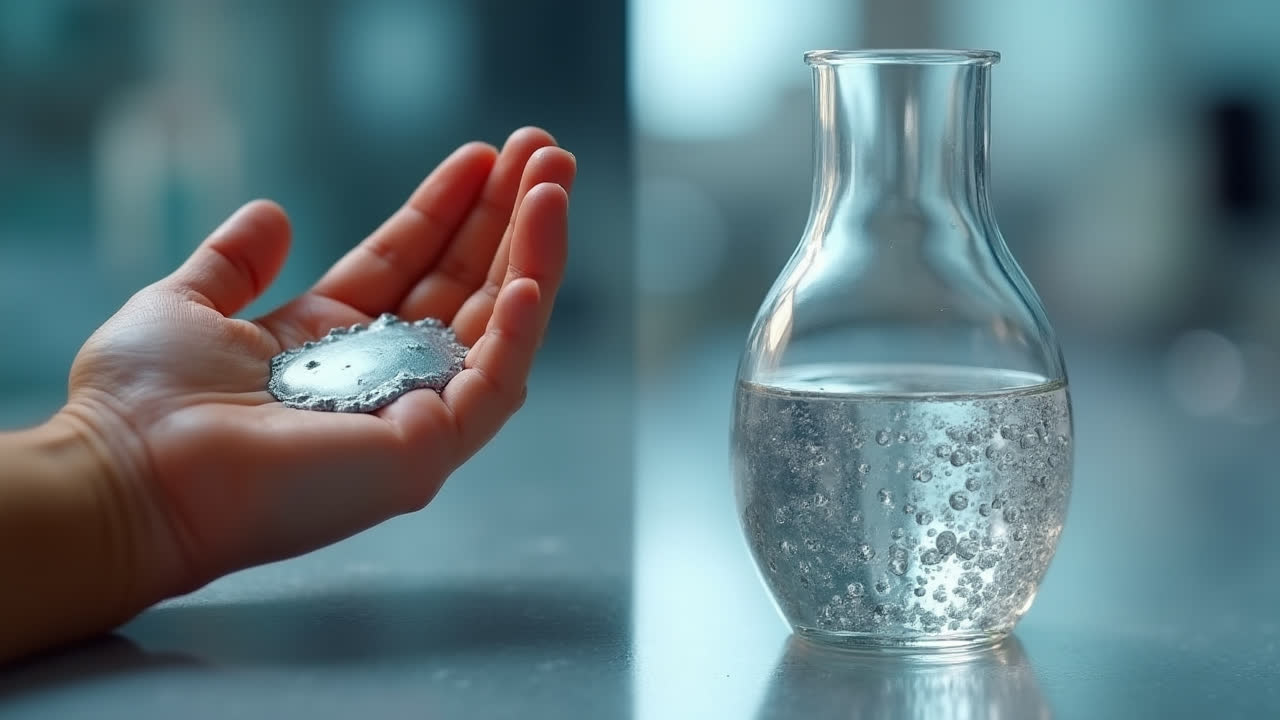
When we talk about goods, we're referring to tangible items you can actually touch and hold. Think about your morning coffee mug, the smartphone in your pocket, or the car sitting in your driveway. These are all goods—physical objects that move from the seller to you when you make a purchase.
What makes goods special is their physical nature. You can store them, transfer them to others, or even return them if they don't work as expected. When you buy a bicycle, for instance, the ownership literally shifts from the store to you. That bike becomes your property, and you can do whatever you want with it—sell it, gift it, or keep it for decades.
Goods come in various forms and categories. Consumer goods are products we use in our daily lives, like food, clothing, and electronics. Durable goods, on the other hand, are built to last—think refrigerators, furniture, or industrial machinery. Some goods are consumed immediately (like that sandwich you had for lunch), while others serve you for years.
Understanding Services: The Intangible Economy
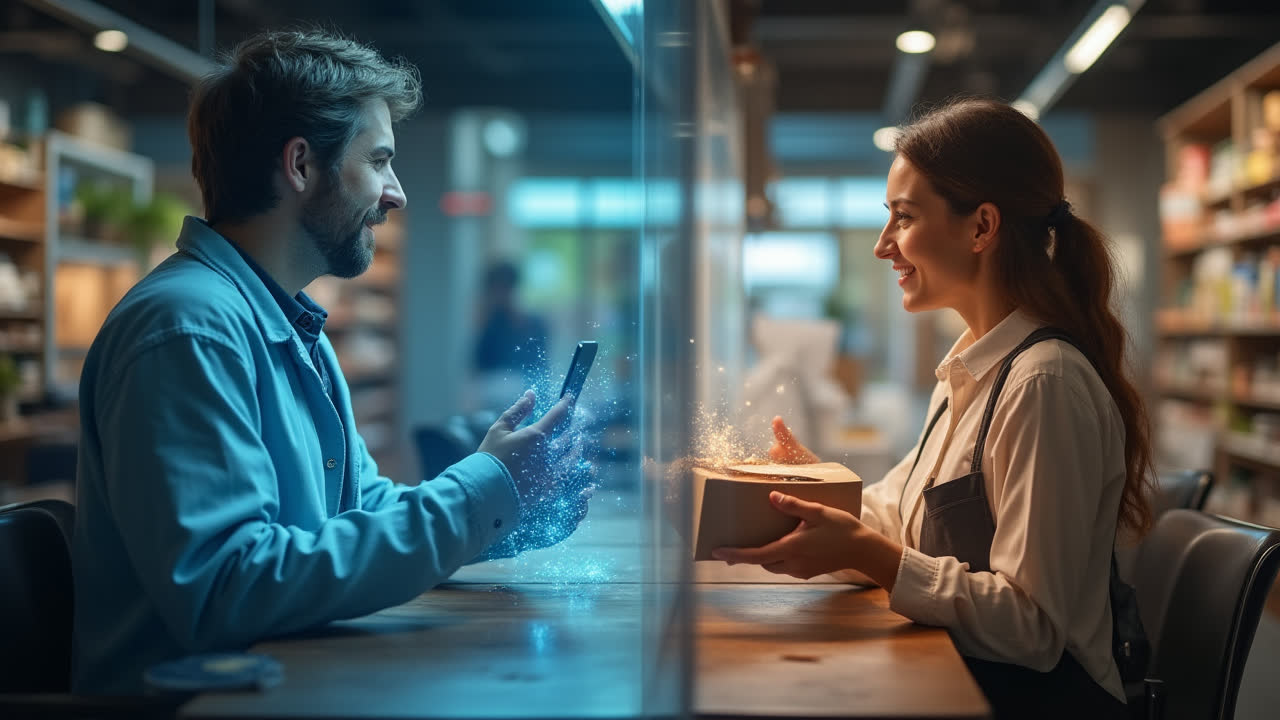
Services are a completely different beast. Unlike goods, you can't touch a service or put it on a shelf. Services are all about actions, benefits, or experiences that one party provides to another. When you visit a doctor, hire a lawyer, or get your hair cut, you're paying for expertise and effort, not a physical product.
Here's what makes services unique: they're produced and consumed at the same time. When you attend a concert, the performance happens in real-time, and once it's over, you can't take it home or return it if you didn't enjoy it. The value lies in the experience itself, not in any physical transfer of property.
The service economy has exploded in recent decades. From digital streaming platforms to professional consulting, services now dominate many developed economies. Think about it—most of what you pay for daily might be services: internet access, insurance, banking, education, and even the delivery of that online order you just placed.
| Feature | Goods | Services |
|---|---|---|
| Physical Presence | Tangible - can be touched and seen | Intangible - cannot be touched or seen |
| Ownership Transfer | Ownership transfers to buyer | No ownership transfer occurs |
| Storage Capability | Can be stored and inventoried | Cannot be stored or inventoried |
| Production vs Consumption | Gap between production and consumption | Produced and consumed simultaneously |
| Transportation | Can be transported and shipped | Cannot be transported or shipped |
| Return Policy | Usually can be returned/exchanged | Cannot be returned or exchanged |
| Quality Consistency | Quality can be standardized | Quality varies with each delivery |
| Examples | Cars, clothes, electronics, food | Healthcare, education, consulting, tourism |
The Key Differences That Matter to You
Let me break down the most important differences between goods and services in a way that actually impacts your daily life. First off, when you buy goods, you're getting something you can literally hold onto. That new laptop? It's yours to keep, modify, or resell. But when you subscribe to Netflix, you're paying for access, not ownership.
Consumer rights work differently too. If that laptop stops working within the warranty period, you can often get it repaired or replaced. But if you didn't enjoy a restaurant meal or weren't satisfied with a haircut, your options are much more limited. This is because services can't be "returned" in the traditional sense—the experience has already happened.
Another crucial difference lies in quality control. Manufacturers can produce thousands of identical smartphones with consistent quality. But every service delivery is unique. Two restaurants might use the same recipe, but your dining experience will vary based on countless factors—from the chef's mood to the wait time to other customers around you.
Real-World Examples That Illustrate the Difference
To really grasp the difference, let's look at some everyday scenarios. When you buy a book, you're purchasing a good. You can read it multiple times, lend it to friends, or sell it secondhand. The book exists independently of the author or publisher after you buy it.
Now contrast this with buying a movie ticket. You're purchasing a service—the right to watch a film in a theater for a specific time. Once the credits roll, that service is consumed. You can't take the movie home, share it with neighbors, or return it if you didn't like the ending.
Here's another angle: think about buying a car versus hiring an Uber. The car is a good—you own it, maintain it, and decide how to use it. But each Uber ride is a service. You pay for transportation from point A to point B, not ownership of the vehicle. The driver provides their time, expertise, and vehicle use, but at the end of the ride, you haven't gained any physical property.
How This Knowledge Benefits You
Understanding the distinction between goods and services can actually save you money and headaches. For goods, focus on quality and durability since you'll own them long-term. Research return policies, warranties, and product reviews carefully. For services, pay attention to provider reputation, timing, and experience quality since these transactions are final.
This knowledge also helps with budgeting. Goods often require upfront investment but have longer-term value. Services are ongoing expenses that provide immediate benefits but don't build tangible assets. A $1,000 laptop might serve you for five years, while a $1,000 spent on streaming services disappears after a year.
In our increasingly digital world, the line sometimes blurs. Is software a good or service? Digital downloads combine elements of both—you get a product, but it's intangible and often comes with service-like restrictions. Understanding these nuances helps you make informed consumer decisions.
Frequently Asked Questions
Can services become goods or vice versa?
While goods and services remain distinct categories, some offerings combine elements of both. For example, when you buy software, you receive a product (the program) but often with service components (updates, support). However, the fundamental nature—tangible vs. intangible—remains unchanged.
Are digital products considered goods or services?
Digital products occupy a gray area. E-books, digital music, and downloaded games are typically considered goods because you receive a product with some ownership rights. However, streaming services and cloud-based software are more service-oriented since you're paying for ongoing access rather than permanent ownership.
How do return policies differ between goods and services?
Return policies for goods typically allow for product returns, exchanges, or refunds within a specified timeframe, especially if the item is defective. Services, being experiential and already consumed, cannot be returned. Instead, service providers might offer refunds, replacements, or credits if the service was unsatisfactory, but this varies greatly by industry and provider policy.

Related Posts