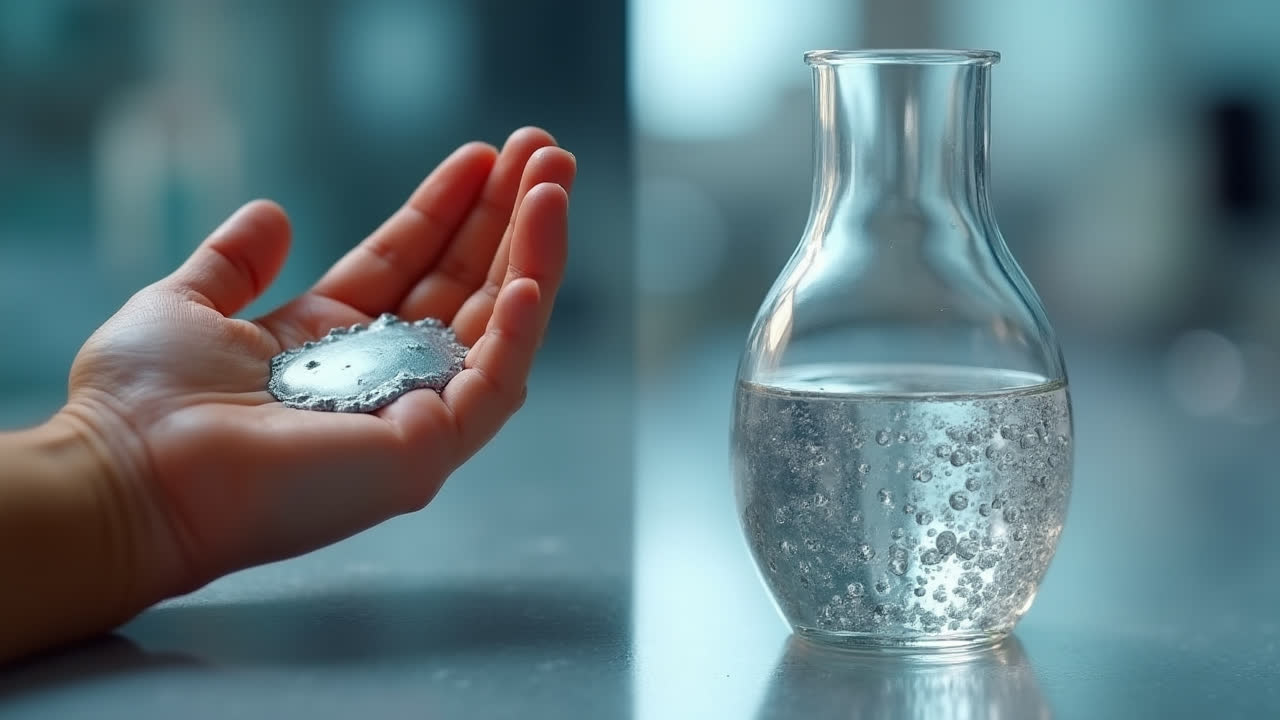
In Vitro vs In Vivo: Essential Differences in Research Methods
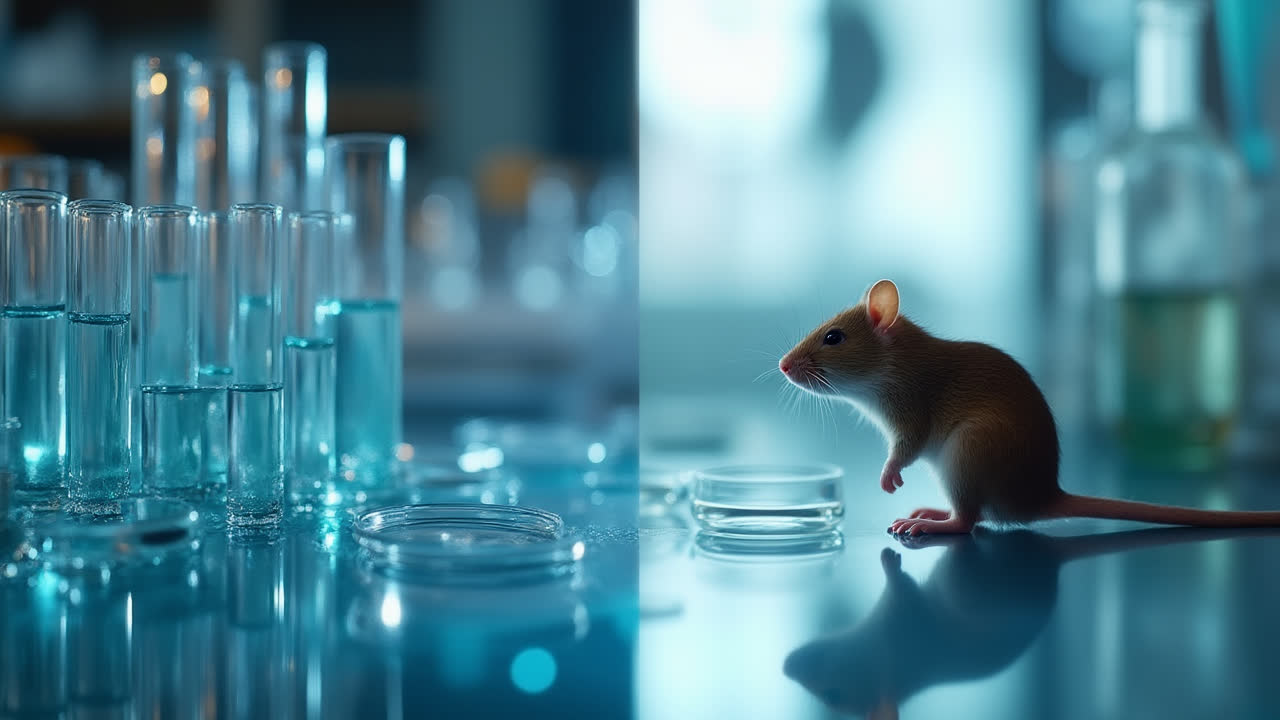
When scientists conduct biological research, they often face a crucial decision: should they study their subject in a test tube (in vitro) or in a living organism (in vivo)? This choice fundamentally shapes experimental design, results, and applications. While both approaches aim to uncover biological truths, they operate under dramatically different conditions and offer distinct advantages.
As someone who's spent years working alongside researchers in both settings, I've witnessed firsthand how these methodologies complement each other. The careful dance between controlled laboratory conditions and the messy reality of living systems is where many scientific breakthroughs happen. Let's explore what makes each approach unique and why researchers often need both to solve complex biological puzzles.
What Is In Vitro Research?
In vitro (Latin for "in glass") refers to experiments performed in a controlled environment outside a living organism. Think of petri dishes, test tubes, and cell cultures—these are the hallmarks of in vitro research. Scientists isolate cells, tissues, or biological molecules from their natural environment and study them under precisely controlled laboratory conditions.
I remember watching a colleague meticulously prepare a cell culture, carefully controlling temperature, pH, and nutrient levels. "These cells are happier than I am," she joked, adjusting the incubator. That's the essence of in vitro work—creating an artificial environment where biological components can survive and function outside their natural habitat.
The beauty of in vitro studies lies in their simplicity and control. Researchers can isolate specific variables and observe their effects without the "noise" of a complex living system. This approach is particularly valuable for understanding fundamental cellular mechanisms, screening potential drugs, or studying dangerous pathogens that would be risky to introduce into living subjects.
Common examples of in vitro research include cell cultures grown in petri dishes, biochemical reactions in test tubes, and tissue samples maintained in artificial media. These methods have revolutionized our understanding of biology, from basic cell functions to complex disease mechanisms.
What Is In Vivo Research?
In vivo (Latin for "within the living") research involves studying biological processes within intact living organisms. Instead of isolated components in artificial environments, in vivo experiments observe how biological systems function in their natural, physiological context—where all the complex interactions between cells, tissues, and organs occur simultaneously.
Walking through an animal research facility once, a veterinarian told me, "Each mouse here is a universe of interactions we're just beginning to understand." That complexity is both the challenge and the strength of in vivo research. When you study a phenomenon in a living organism, you're seeing it operate within the full symphony of biological processes.
In vivo studies are conducted in model organisms ranging from simple life forms like fruit flies and zebrafish to more complex animals like mice, rabbits, and non-human primates. In human medicine, clinical trials represent the ultimate form of in vivo research. These studies provide crucial insights into how biological systems function as integrated wholes rather than isolated parts.
The primary advantage of in vivo research is its relevance to real-world biological conditions. When a drug shows promising effects in a living organism, researchers can be more confident that similar effects might occur in patients. However, this approach also introduces tremendous complexity, as countless variables interact in ways that can be difficult to control or interpret.
Key Differences Between In Vitro and In Vivo
| Characteristic | In Vitro | In Vivo |
|---|---|---|
| Definition | Experiments performed outside living organisms in controlled environments | Experiments performed within whole, living organisms |
| Sample Types | Isolated cells, tissues, proteins, or other biological components | Intact living organisms (mice, rabbits, humans in clinical trials) |
| Environmental Conditions | Highly controlled laboratory conditions | Natural physiological conditions with complex interactions |
| Cost | Generally less expensive | More expensive due to animal care, ethical reviews, and complex protocols |
| Time Requirements | Typically faster, with simpler experimental setups | More time-consuming, often requiring lengthy observation periods |
| Precision of Results | More variable in translating to whole-organism effects | More directly relevant to real-world biological applications |
| Ethical Considerations | Fewer ethical concerns, often using cell lines or discarded tissues | Significant ethical oversight required, especially for animal research |
| Applications | Initial drug screening, mechanism studies, toxicity testing | Drug efficacy verification, physiological studies, clinical trials |
In Vitro Advantages and Limitations
I've always been amazed by how much we can learn from cells in a dish. In vitro methods offer remarkable advantages for researchers: they're generally less expensive, faster to implement, and eliminate many of the ethical concerns associated with animal testing. With in vitro studies, researchers can precisely control experimental conditions and isolate specific variables to establish clear cause-and-effect relationships.
But there's a catch—and it's a big one. As any seasoned researcher will tell you, "Cells in a dish aren't cells in a body." In vitro models simply cannot replicate the full complexity of living systems. A drug that appears promising in cell culture might fail spectacularly when introduced to a living organism with metabolism, immune responses, and complex feedback mechanisms.
One researcher I worked with spent months perfecting an in vitro model only to find that the results didn't translate to mouse studies. "It's humbling," she said. "You think you've figured something out, and then the whole organism reminds you how much you don't know." This limitation is why in vitro results are typically considered preliminary and require validation through in vivo studies before clinical applications.
Despite these limitations, in vitro research remains invaluable. Modern techniques like organ-on-a-chip technology and 3D cell cultures are narrowing the gap between in vitro and in vivo conditions. These advanced models better mimic the complex architecture and interactions of living tissues while maintaining the control and accessibility of traditional in vitro approaches.
In Vivo Advantages and Limitations
The greatest strength of in vivo research is its biological relevance. When studying disease progression, drug effects, or physiological responses in living organisms, researchers observe these processes in their natural context, with all systems functioning together. This approach provides insights that simply cannot be obtained from isolated cells or tissues.
I once attended a presentation where a researcher shared how a promising cancer drug had performed beautifully in cell culture but failed in animal models due to unexpected metabolism in the liver—something impossible to predict from in vitro studies alone. These kinds of discoveries highlight why in vivo testing remains essential for translational research.
However, in vivo research comes with significant challenges. It's more expensive, time-consuming, and ethically complex than in vitro work. Animal studies require specialized facilities, trained personnel, and strict oversight to ensure humane treatment. Individual variations between organisms can introduce experimental noise, and the complexity of living systems makes it difficult to isolate specific mechanisms of action.
Perhaps most importantly, there are legitimate ethical concerns about animal research that must be carefully addressed. Modern research ethics emphasize the "3Rs" principle: replacing animal models when possible, reducing animal numbers to the minimum necessary, and refining procedures to minimize suffering. Finding the balance between scientific necessity and ethical responsibility remains an ongoing challenge for the research community.
Why Scientists Need Both Approaches
In the real world of biomedical research, the choice between in vitro and in vivo isn't an either/or proposition—it's a both/and continuum. The most effective research programs leverage the strengths of both approaches in complementary ways. This typically follows a progression from simple to complex: molecular studies lead to cell culture experiments, which inform animal studies, which ultimately guide human clinical trials.
This complementary approach is particularly evident in drug development. Initial screening of thousands of compounds is done in vitro, narrowing candidates to those with promising activity. The surviving candidates then progress to animal studies to assess safety, efficacy, and pharmacokinetics. Only after success in both contexts do compounds advance to human trials. Each stage builds upon the previous one, with later stages validating or challenging earlier findings.
Beyond traditional research, a third approach has gained prominence: in silico methods use computer simulations and computational models to predict biological outcomes. These virtual experiments complement both in vitro and in vivo approaches, helping researchers design more targeted experiments and interpret complex data.
The ongoing tension between in vitro simplicity and in vivo complexity drives scientific innovation. Researchers continually develop new models that bridge this gap—organoids, microfluidic systems, and humanized animal models are just a few examples. These hybrid approaches combine aspects of both methodologies to create more predictive research tools.
Practical Applications in Modern Research
The complementary nature of in vitro and in vivo research is evident across many fields. In cancer research, cell lines help identify potential therapeutic targets, while patient-derived xenografts (human tumors grown in mice) provide more realistic models of tumor behavior. Both approaches contribute crucial pieces to the puzzle.
Toxicology testing offers another example of this synergy. Initial screening for chemical safety often uses in vitro methods like cell culture assays to identify potentially harmful compounds. Promising or concerning results then warrant in vivo testing to understand how these substances affect whole organisms. This tiered approach reduces animal testing while maintaining safety standards.
In reproductive medicine, both approaches play vital roles. In vitro fertilization (IVF) begins with eggs and sperm combined in laboratory conditions before implantation in the mother's uterus for in vivo development. This hybrid approach has helped millions of couples overcome fertility challenges.
COVID-19 research demonstrated this partnership on a global scale. Cell culture studies rapidly identified potential therapeutic targets and drug candidates, while animal models helped evaluate vaccine safety and efficacy. Both approaches accelerated our understanding of the virus and the development of countermeasures.
The Future of Biological Research Models
As technology advances, the traditional boundaries between in vitro and in vivo research continue to blur. Emerging approaches like organs-on-chips, 3D bioprinting, and advanced organoid systems create "middle ground" models that capture more complexity than traditional cell cultures while avoiding some of the ethical and practical challenges of animal research.
Artificial intelligence and machine learning algorithms increasingly help researchers interpret complex biological data and predict how in vitro results might translate to in vivo contexts. These computational approaches may eventually reduce our reliance on animal testing by more accurately predicting biological responses based on in vitro data.
The regulatory landscape is evolving as well. Many countries now actively encourage alternatives to animal testing when possible. The European Union's REACH regulation explicitly promotes the development and use of alternative methods, and the FDA has expressed support for organ-on-chip technology as a potential replacement for some animal studies.
Despite these advances, most researchers believe that some form of in vivo testing will remain necessary for the foreseeable future, particularly for complex physiological responses and safety testing. The goal isn't necessarily to eliminate either approach, but to use each more effectively and ethically, applying the right tool at the right stage of research.
Frequently Asked Questions
What are the main ethical concerns with in vivo research?
The primary ethical concerns with in vivo research relate to animal welfare, the justification of animal use, and ensuring humane treatment. Modern research ethics follow the "3Rs" principle: Replace animal models when possible, Reduce the number of animals used to the minimum necessary, and Refine procedures to minimize suffering. All animal research must pass ethical review boards, which evaluate whether the potential benefits justify the use of animals and ensure that alternatives have been considered. Additionally, there are ongoing debates about which species should be used in research, with greater scrutiny applied to studies involving primates and other animals with high cognitive abilities.
How reliable are in vitro results for predicting effects in humans?
The reliability of in vitro results for predicting human effects varies significantly depending on the biological process being studied. For simple biochemical interactions or basic cellular mechanisms, in vitro models can be highly predictive. However, for complex physiological responses involving multiple organ systems, in vitro results often have limited predictive value. Industry statistics suggest that approximately 90% of drug candidates that show promise in preclinical testing (including in vitro and animal studies) fail in human clinical trials. This "translational gap" highlights the limitations of current models. Advanced in vitro systems like organ-on-a-chip technology and human-derived organoids are being developed specifically to improve this predictive reliability.
Can in silico methods replace traditional in vitro and in vivo research?
Currently, in silico methods (computer simulations and computational models) complement rather than replace traditional research approaches. While computational methods have made remarkable advances in predicting protein structures, drug interactions, and some biological responses, they remain limited by our incomplete understanding of biological systems. The most effective research programs integrate all three approaches: in silico methods to generate hypotheses and narrow possibilities, in vitro studies to verify basic mechanisms, and in vivo research to confirm relevance in whole organisms. As our understanding of biology deepens and computational power increases, in silico methods will likely replace some experiments, particularly in early drug screening and toxicity testing, but complete replacement of experimental biology remains a distant goal.