Indoor vs Outdoor Cyclamen: Essential Differences Explained
Indoor vs Outdoor Cyclamen: Essential Differences Explained
Have you ever brought home a beautiful cyclamen plant, only to watch it wither away despite your best efforts? You might have been treating an outdoor variety as an indoor plant—or vice versa. Understanding the difference between these two types is crucial for successfully growing these stunning flowering plants.
Cyclamen plants have become increasingly popular in recent years, brightening homes during the winter months when most other plants are dormant. I've grown both types for over a decade, and I've learned through plenty of trial and error what makes them tick. Let me share what I've discovered about these charming winter bloomers.
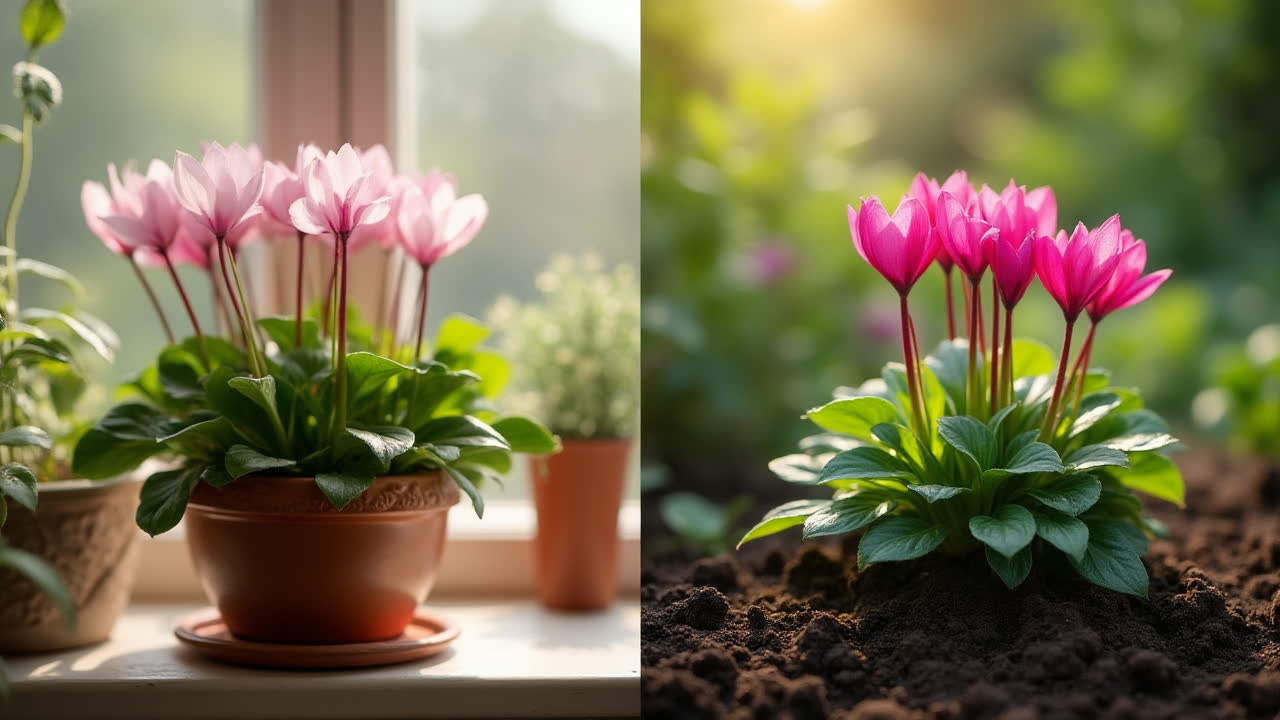
The main distinction is simple: indoor cyclamen (Cyclamen persicum) are tender varieties that can't survive freezing temperatures, while outdoor cyclamen (typically Cyclamen hederifolium or Cyclamen coum) are hardy plants that thrive in cooler conditions and can even survive under snow. But there's much more to know if you want these beauties to flourish.
What is Indoor Cyclamen?
Indoor cyclamen, also known as Florist's Cyclamen (Cyclamen persicum), is what you'll typically find adorning garden centers and supermarkets during the holiday season. I remember my grandmother always had one on her coffee table every Christmas—its vibrant pinks and reds were as much a part of our holiday tradition as the tree itself.
These plants typically grow 6-9 inches tall and feature heart-shaped leaves with silver marbling patterns that add visual interest even when the plant isn't blooming. The flowers rise above the foliage on slender stems and come in various colors including white, pink, red, magenta, and lavender. Some varieties even offer a delicate, sweet fragrance—though you might need to get down on your knees and really take a good sniff to appreciate it!
Indoor cyclamen have been extensively bred for showier flowers and longer blooming periods, making them perfect temporary houseplants. They generally flower from early winter through spring, providing color when we need it most. During summer, they naturally enter dormancy—a fact I learned the hard way my first year growing them when I thought my plant had died!
These tender cyclamen prefer temperatures between 50-68°F (10-20°C). In my experience, they really don't tolerate heat well at all. One summer I left mine near a sunny window during a heatwave, and within days the leaves had all curled up. The cooler the better for these plants, though they must be protected from frost.
What is Outdoor Cyclamen?
Outdoor cyclamen, commonly referred to as hardy cyclamen, are tough little plants that perform best when permanently planted outside. The most common varieties are Cyclamen hederifolium (autumn-flowering) and Cyclamen coum (winter/early spring-flowering). I've had a patch of C. hederifolium in my front garden for years now, and they never fail to surprise visitors who can't believe something so delicate-looking can thrive through our cold winters.
These woodland plants have adapted to survive in much harsher conditions than their indoor cousins. They typically have smaller flowers and leaves compared to florist's cyclamen, but what they lack in size, they make up for in resilience. The flowers appear either in autumn or late winter, depending on the species, often pushing up through snow or frozen ground in a truly remarkable display of botanical perseverance.
Hardy cyclamen naturally grow in dappled woodland settings, which gives us a clue about their preferred growing conditions. They love partial shade, especially in locations where they receive morning sun but are protected from harsh afternoon rays. I've found they do particularly well under deciduous trees where they get winter sun but summer shade.
One of the most wonderful characteristics of outdoor cyclamen is their ability to naturalize and spread slowly over time. My original patch of five plants has now multiplied to cover about three square feet with dozens of plants. They're relatively unbothered by pests and diseases, and even the deer in our area (which eat practically everything) tend to leave them alone.
Similarities Between Indoor and Outdoor Cyclamen
Despite their differences, both types of cyclamen share several important characteristics:
- Both grow from tubers that store nutrients during dormancy
- They share the same distinctive upswept flower shape that reminds me of butterfly wings
- Both feature attractive marbled or patterned heart-shaped leaves
- They bloom during cooler months when many other plants are dormant
- Both require good drainage to prevent tuber rot—something I learned through losing several plants before understanding this crucial need
- They follow a similar annual cycle with active growth during cooler months and dormancy during warmer periods
The timing of their growth cycles makes cyclamen perfectly complementary to summer-flowering plants. When my garden is looking tired and going dormant in fall, the cyclamen are just getting started, offering a second season of interest in the same garden space.
Key Differences Between Indoor and Outdoor Cyclamen
Understanding these crucial differences will help you provide the right care for your specific cyclamen type:
| Characteristic | Indoor Cyclamen (Florist's) | Outdoor Cyclamen (Hardy) |
|---|---|---|
| Scientific Name | Primarily Cyclamen persicum | C. hederifolium, C. coum, and others |
| Cold Tolerance | Cannot survive freezing temperatures | Winter hardy (some to -20°F/-29°C) |
| Flower Size | Larger, showier blooms | Smaller, more delicate flowers |
| Ideal Location | Indoors in bright, indirect light | Outdoors in dappled shade |
| Lifespan | Often treated as temporary (1-2 years) | Perennial, can live for decades |
| Watering Needs | Bottom watering preferred | Rainwater usually sufficient once established |
| Propagation | Primarily through division | Self-seeds readily in favorable conditions |
| Best Uses | Temporary indoor decoration | Permanent garden plantings |
I've accidentally tested the cold tolerance difference myself—I once left a florist's cyclamen on my porch overnight when temperatures dipped below freezing. The poor thing turned to mush by morning! Meanwhile, my hardy garden cyclamen were happily poking through a dusting of snow just a few feet away.
Care Tips for Indoor Cyclamen
If you've brought home one of those gorgeous florist's cyclamen, here's how to keep it happy:
- Temperature: They prefer cooler rooms in your home—around 60-65°F (15-18°C) during the day and slightly cooler at night. I've had good success keeping mine in a north-facing room that stays naturally cooler than the rest of the house.
- Light: Bright, indirect light is ideal. Direct sunlight can scorch the leaves and flowers, while too little light results in leggy growth and fewer blooms.
- Watering: This is where most people go wrong! Water at the base of the plant, avoiding the crown (center of the plant where stems emerge). Even better, try bottom watering by placing the pot in a saucer of water for 20 minutes, then removing any excess. Allow the top inch of soil to dry before watering again.
- Humidity: Moderate to high humidity benefits these plants. I place mine on a tray of pebbles with a bit of water (making sure the pot doesn't sit directly in the water).
- Deadheading: Remove spent flowers by gently twisting and pulling the entire stem from the base—don't leave stubs that can rot.
After flowering finishes (usually late spring), your indoor cyclamen will enter dormancy. The leaves will yellow and die back—this is normal! Reduce watering significantly during this time, but don't let the tuber dry out completely. I keep mine in a cool basement during summer dormancy, watering just enough to prevent complete drying.
Care Tips for Outdoor Cyclamen
Hardy cyclamen are much more self-sufficient once established:
- Planting location: Choose a spot with dappled shade and excellent drainage. I've had the best success planting them on slight slopes or in raised areas where water doesn't collect.
- Soil preparation: Incorporate plenty of organic matter like leaf mold, which mimics their natural woodland habitat. Adding fine grit helps ensure good drainage.
- Planting depth: Plant tubers just below the soil surface with the concave side facing upward. I've found that planting them too deeply often results in rotting.
- Watering: Once established, they rarely need supplemental watering except during extended droughts. The biggest threat is overwatering, which can cause tuber rot.
- Mulching: A light mulch of leaf mold can help conserve moisture and supply nutrients, but be careful not to cover the crown of the plant.
I've discovered that outdoor cyclamen actually benefit from being left undisturbed for years. They don't like being divided or moved once established. The first year after planting might not bring impressive results, but by year three, you'll likely see a noticeable increase in flowering.
FAQ: Indoor and Outdoor Cyclamen
Can I plant my indoor cyclamen outside?
Indoor cyclamen (Cyclamen persicum) generally won't survive winter temperatures below freezing. In mild climates (USDA zones 9-11), you might be able to plant them outdoors in a sheltered location with excellent drainage. I've tried this in our zone 7 garden, and they never made it through winter. If you want cyclamen for your garden, it's better to purchase specifically hardy varieties like C. hederifolium or C. coum.
Why did my cyclamen suddenly lose all its leaves?
This is likely a normal part of the dormancy cycle, especially if it happens in late spring or early summer. Both indoor and outdoor cyclamen naturally lose their leaves during their dormant period. Reduce watering but don't let the tuber dry out completely. If leaf loss happens during the normal growing season and is accompanied by soft, mushy stems, you might be dealing with overwatering and potential rot. In my experience, once rot sets in, it's very difficult to save the plant.
How do I get my indoor cyclamen to rebloom next year?
After flowering ends and the plant enters dormancy (leaves yellow and die back), reduce watering and move the plant to a cool, dark location for about 2-3 months. I use my basement which stays around 60°F (15°C). Water very sparingly—just enough to prevent complete drying out. In late summer or early fall, gradually increase watering and move the plant to a brighter location. New growth should begin to appear. Resume normal care and fertilize lightly once new growth is established. I've successfully rebloomed the same plants for 3-4 years using this method, though flowers may be smaller in subsequent years.
Conclusion
Whether you choose indoor or outdoor cyclamen—or both, as I have!—these charming plants offer unusual beauty during seasons when many other plants are dormant. The key to success lies in understanding which type you have and providing the appropriate care.
Indoor cyclamen provide temporary splashes of color and make wonderful gifts, while outdoor hardy varieties offer years of recurring beauty with minimal maintenance. I've come to appreciate both for their unique qualities, but I must admit there's something especially magical about those hardy garden cyclamen pushing through frost and snow when the garden seems otherwise asleep.
Have you grown cyclamen before? Which type worked better for your situation? Whichever you choose, these distinctive flowers are sure to bring joy during the cooler months of the year.