Understanding Intrinsic vs Extrinsic Pathways in Blood Clotting: Complete Guide
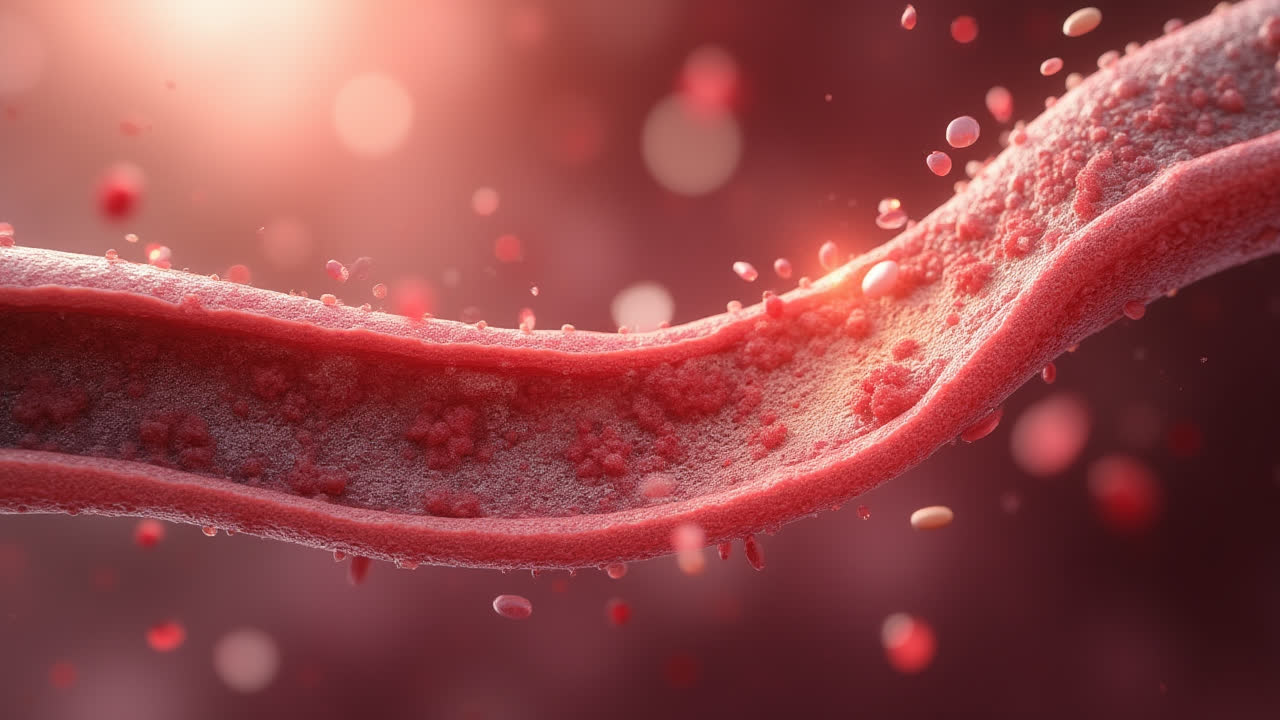
Blood clotting (coagulation) is a fascinating biological process that prevents excessive bleeding when our blood vessels are damaged. At the heart of this life-saving mechanism lie two distinct yet interconnected pathways: the intrinsic pathway and the extrinsic pathway. These pathways represent different initial triggers for the same ultimate goal—forming a stable blood clot. I've always been intrigued by how our bodies maintain this delicate balance between preventing blood loss and avoiding dangerous clots. Throughout my years studying physiology, these clotting mechanisms continue to reveal their remarkable complexity.
The Basics of Blood Clotting
Before diving into the specific pathways, it's worth understanding the broader context of hemostasis—the process that stops bleeding. When a blood vessel gets damaged, our body initiates a series of responses to prevent blood loss. This process can be divided into two main mechanisms: primary hemostasis and secondary hemostasis.
Primary hemostasis involves vasoconstriction (narrowing of the blood vessel) and the formation of a platelet plug. The injured blood vessel automatically constricts to reduce blood flow to the damaged area. Simultaneously, platelets in the bloodstream become activated when they contact exposed collagen in the damaged vessel wall. These activated platelets stick to the injury site and to each other, forming a temporary platelet plug.
Secondary hemostasis is where our story gets particularly interesting. This process strengthens the initial platelet plug by creating a mesh of fibrin (a protein) through a complex cascade of reactions involving numerous proteins called clotting factors. These factors are typically numbered using Roman numerals (I through XIII) and circulate in the blood in their inactive forms. The activation of these factors happens through either the intrinsic or extrinsic pathway—or, in most real-life scenarios, a combination of both.
Have you ever wondered why some cuts stop bleeding almost immediately while others take longer? The answer often lies in which pathway is predominantly activated. I remember cutting myself while chopping vegetables once—the bleeding stopped so quickly I barely needed a bandage. That rapid response was likely my extrinsic pathway springing into action!
The Intrinsic Pathway: Blood's Internal Response System
The intrinsic pathway is aptly named because it's triggered by trauma that occurs within the circulatory system itself. When blood makes contact with negatively charged surfaces exposed during internal vascular damage, it activates Factor XII (also called Hageman factor). This activation marks the beginning of a precisely choreographed sequence of protein interactions.
Once activated, Factor XII converts Factor XI to its active form (Factor XIa). Factor XIa then activates Factor IX, which works together with Factor VIIIa to activate Factor X. This cascade continues until prothrombin (Factor II) is converted to thrombin, which then transforms fibrinogen (Factor I) into fibrin—the stringy protein that forms the mesh of the blood clot. Platelets become trapped in this fibrin mesh, creating a stable clot that prevents further bleeding.
The intrinsic pathway is sometimes called the "slow pathway" because it typically takes about 2-6 minutes to initiate blood clotting. While this might seem lengthy in emergency situations, the intrinsic pathway plays a crucial role in responding to internal damage that might otherwise go undetected. It's like having a specialized internal repair team that's constantly monitoring your blood vessels for damage.
Interestingly, the intrinsic pathway requires ionized calcium (Ca²⁺) for the activation of Factor IX by Factor XIa. This dependency on calcium explains why blood collected in tubes containing calcium-binding agents (like EDTA or citrate) won't clot—a principle frequently used in medical laboratories. Whenever I see those differently colored blood collection tubes in hospitals, I'm reminded of this fascinating calcium dependency in the clotting process.
The Extrinsic Pathway: The Rapid External Response
Unlike its counterpart, the extrinsic pathway is triggered by trauma occurring outside the blood vessels. When tissue damage occurs, cells release a substance called tissue factor (TF) or thromboplastin (Factor III). Under normal circumstances, tissue factor isn't exposed to blood. However, when blood vessels are damaged and blood comes into contact with injured tissues, tissue factor enters the bloodstream and triggers the extrinsic pathway.
The tissue factor forms a complex with Factor VII, which then activates Factor X directly. From this point, the pathway joins the common pathway, where Factor X helps convert prothrombin to thrombin, which subsequently converts fibrinogen to fibrin, forming the blood clot.
A key characteristic of the extrinsic pathway is its speed—it can initiate blood clotting in just 15-20 seconds. This rapid response makes it particularly valuable for dealing with external injuries where quick clotting can prevent significant blood loss. Think about those times you've cut yourself and noticed the bleeding stop relatively quickly—that's your extrinsic pathway efficiently doing its job!
The extrinsic pathway requires both calcium and tissue factor for the activation of Factor IX by Factor VIIa. This dual requirement ensures that clotting only occurs when there's actual tissue damage, preventing unnecessary clot formation that could lead to dangerous conditions like thrombosis or embolism.
Wondering about the clinical significance of understanding these pathways? Medical professionals routinely test these pathways separately to diagnose various bleeding disorders. The activated partial thromboplastin time (aPTT) test measures the intrinsic pathway, while the prothrombin time (PT) test evaluates the extrinsic pathway. Abnormal results can indicate clotting factor deficiencies or the presence of anticoagulants.
Comparing Intrinsic and Extrinsic Pathways
| Comparison Point | Intrinsic Pathway | Extrinsic Pathway |
|---|---|---|
| Activation Trigger | Internal trauma within blood vessels | External trauma and tissue damage |
| Key Clotting Factors | Factors VIII, IX, XI, and XII | Factor VII and tissue factor (III) |
| Speed of Response | Slower (2-6 minutes) | Faster (15-20 seconds) |
| Initial Activating Surface | Negatively charged surfaces, collagen | Tissue factor released from damaged cells |
| Dependencies | Requires ionized calcium | Requires both calcium and tissue factor |
| Clinical Test | Activated Partial Thromboplastin Time (aPTT) | Prothrombin Time (PT) |
| Associated Disorders | Hemophilia A and B | Vitamin K deficiency, liver disease |
| Therapeutic Targets | Targeted by heparin | Targeted by warfarin |
The Common Pathway: Where Pathways Converge
Despite their different starting points, both the intrinsic and extrinsic pathways converge at Factor X activation, entering what's known as the common pathway. This convergence highlights the brilliant efficiency of our clotting system—regardless of how clotting is initiated, the end result is the same: a stable fibrin clot.
In the common pathway, activated Factor X combines with Factor V, calcium ions, and phospholipids to form the prothrombinase complex. This complex converts prothrombin (Factor II) to thrombin. Thrombin then converts fibrinogen (Factor I) into fibrin, which polymerizes to form the fibrin mesh—the structural framework of a blood clot.
Additionally, thrombin activates Factor XIII, which cross-links the fibrin polymers, significantly strengthening the clot. Thrombin also provides positive feedback by activating Factors V, VIII, and XI, further accelerating the clotting process. This feedback mechanism ensures that once clotting begins, it proceeds efficiently to completion.
The common pathway represents nature's economy of design—different initiating events lead to a shared final mechanism. It's like having multiple entrance doors that all lead to the same central room. Whenever I think about this elegant design, I'm reminded of how evolution favors efficient solutions that can respond to different threats with minimal redundancy.
Clinical Significance of the Clotting Pathways
Understanding the intrinsic and extrinsic pathways has profound implications for diagnosing and treating bleeding disorders. Deficiencies in specific clotting factors can affect one pathway while leaving the other relatively intact, resulting in various clinical presentations.
For instance, hemophilia A and B result from deficiencies in Factors VIII and IX, respectively, which are critical components of the intrinsic pathway. Individuals with these conditions typically have prolonged bleeding after injuries due to impaired intrinsic pathway function. Vitamin K deficiency, on the other hand, affects the synthesis of several clotting factors involved in the extrinsic pathway (including Factor VII), leading to prolonged prothrombin time.
Anticoagulant medications target different aspects of these pathways. Heparin primarily affects the intrinsic pathway by enhancing the activity of antithrombin III, which inactivates several clotting factors. Warfarin and other vitamin K antagonists impair the synthesis of vitamin K-dependent clotting factors, particularly those involved in the extrinsic pathway.
Newer anticoagulants target specific factors in the common pathway. For example, direct Factor Xa inhibitors (like rivaroxaban and apixaban) and direct thrombin inhibitors (like dabigatran) intervene at key points where both pathways converge. I find it fascinating how our growing understanding of these pathways has enabled the development of increasingly sophisticated therapeutic approaches to manage thrombotic and bleeding disorders.
Frequently Asked Questions
Why do we need two different pathways for blood clotting?
Having dual pathways for blood clotting provides our bodies with redundancy and versatility in responding to different types of injuries. The extrinsic pathway offers rapid response to external injuries where immediate clotting is crucial to prevent blood loss. The intrinsic pathway provides a more thorough but slower response to internal vascular damage where the body needs to detect subtle changes within the blood vessels themselves. This dual-system approach ensures comprehensive protection against different bleeding scenarios while maintaining the delicate balance that prevents unnecessary clotting. Additionally, the overlapping nature of these pathways means that even if one pathway is compromised (due to genetic disorders or medications), the other can often provide at least partial clotting function.
How do anticoagulant medications affect these pathways?
Different anticoagulant medications target specific aspects of the clotting pathways. Heparin and low molecular weight heparins primarily affect the intrinsic pathway by enhancing antithrombin III activity, which inhibits several clotting factors including thrombin and Factor Xa. Warfarin and other vitamin K antagonists impair the synthesis of Factors II, VII, IX, and X, affecting both pathways but particularly the extrinsic pathway through Factor VII inhibition. Newer direct oral anticoagulants (DOACs) are more targeted: Factor Xa inhibitors (rivaroxaban, apixaban) block Factor Xa in the common pathway, while direct thrombin inhibitors (dabigatran) prevent thrombin from converting fibrinogen to fibrin. Understanding which part of the pathway a medication affects helps clinicians manage bleeding risks and choose appropriate reversal strategies when necessary.
How do laboratory tests differentiate between problems in the intrinsic and extrinsic pathways?
Clinicians use specific laboratory tests to evaluate each pathway separately. The activated partial thromboplastin time (aPTT) primarily assesses the intrinsic pathway by measuring how long it takes for blood to clot after adding substances that activate this pathway. Prolonged aPTT suggests problems with Factors VIII, IX, XI, or XII, or the presence of inhibitors like heparin. The prothrombin time (PT) test evaluates the extrinsic pathway by measuring clotting time after adding tissue factor. Prolonged PT indicates issues with Factor VII or other factors in the common pathway. The international normalized ratio (INR) standardizes PT results across laboratories and is commonly used to monitor warfarin therapy. By comparing results from both tests, clinicians can determine whether clotting deficiencies involve the intrinsic pathway, extrinsic pathway, or both, narrowing down potential diagnoses and guiding further testing.
The Delicate Balance: When Clotting Goes Wrong
While efficient blood clotting is essential for preventing excessive bleeding, inappropriate clotting can lead to serious health problems. Thrombosis—the formation of a blood clot inside a blood vessel—can obstruct blood flow, potentially causing conditions like deep vein thrombosis, pulmonary embolism, stroke, or heart attack.
Our bodies maintain a delicate balance between pro-clotting and anti-clotting mechanisms. Anticoagulant proteins like protein C, protein S, and antithrombin naturally counteract excessive clotting. Fibrinolytic systems, meanwhile, help dissolve clots once they've served their purpose, preventing them from growing too large or persisting unnecessarily.
Disorders can occur when either the clotting or anti-clotting mechanisms become dysregulated. Hypercoagulable states—conditions where blood clots too readily—can result from genetic mutations, certain medications, pregnancy, cancer, or prolonged immobility. Conversely, bleeding disorders can result from deficiencies in clotting factors, platelet disorders, or excessive anticoagulant activity.
I once had a conversation with a hematologist who described our clotting system as "walking a tightrope"—too much clotting can be fatal, but so can too little. This precarious balance highlights the remarkable precision of our coagulation system and the importance of understanding its pathways for diagnosing and treating related disorders.
Conclusion: The Elegant Dance of Blood Clotting
The intrinsic and extrinsic pathways in blood clotting represent one of the many elegant solutions evolution has provided for maintaining our body's integrity. Despite their different starting points and mechanisms of activation, both pathways converge to achieve the same vital outcome: forming a stable blood clot that prevents excessive bleeding while allowing for eventual healing.
The intrinsic pathway, activated by internal trauma, provides a thorough but slower response, taking 2-6 minutes to initiate clotting. In contrast, the extrinsic pathway, triggered by external tissue damage, offers a rapid response within 15-20 seconds. This dual-system approach ensures comprehensive protection against different types of vascular injury.
Understanding these pathways has profound implications for medicine, from diagnosing bleeding disorders to developing targeted anticoagulant therapies. As our knowledge continues to evolve, so too will our ability to intervene when these pathways malfunction, potentially saving countless lives affected by thrombotic or hemorrhagic conditions.
The next time you notice a small cut on your finger stopping its bleeding, take a moment to appreciate the complex cascade of molecular events that made this possible—a testament to the remarkable sophistication of our biology.