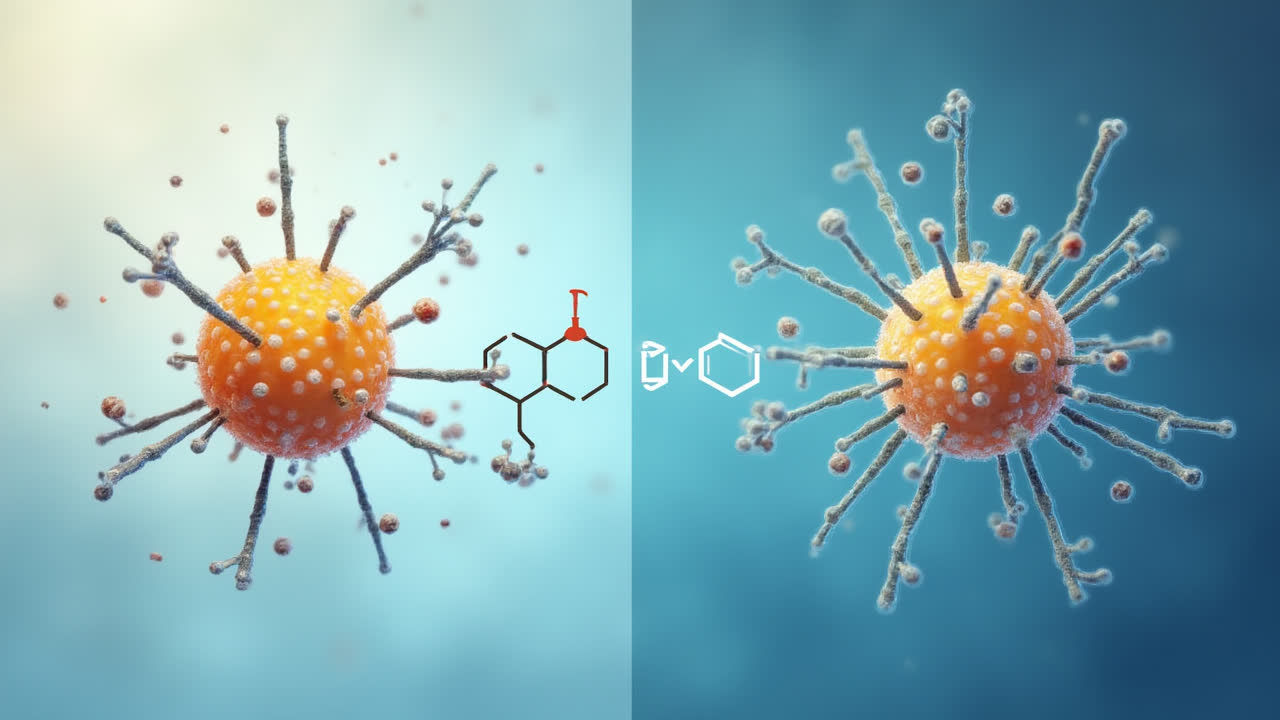
Iso vs Neo Structures: Key Differences in Organic Chemistry
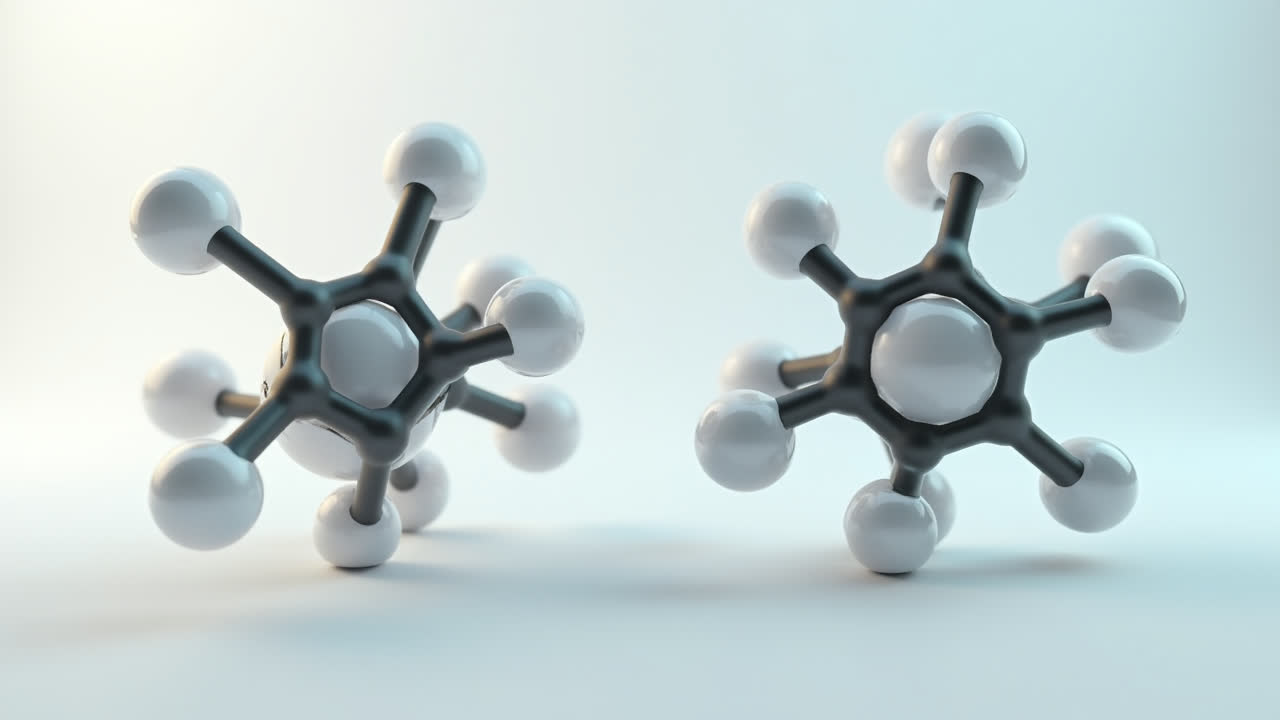
Iso vs Neo Structures: Understanding the Fundamental Differences in Organic Chemistry
When you dive into organic chemistry, you'll quickly encounter two important prefixes that describe molecular structures: "iso" and "neo". These terms might sound similar, but they represent distinctly different ways atoms arrange themselves in molecules. Understanding the difference between iso and neo structures isn't just academic – it's crucial for predicting how compounds behave in chemical reactions.
Have you ever wondered why two molecules with the same formula can have completely different properties? This is where structural isomers come into play, and the prefixes "iso" and "neo" help us make sense of these variations.
What Exactly are Iso Structures?
The term "iso" originates from the Greek word meaning "equal" or "same." In chemistry, it denotes structural isomers that maintain the same connectivity but differ in their spatial arrangement. Think of it like rearranging furniture in a room – the pieces are the same, but their positioning creates an entirely different layout.
Let's take isobutane as a classic example. While regular butane has a straight-chain structure, isobutane features a branched arrangement where one carbon atom attaches to the side rather than continuing the chain. This simple change dramatically affects the molecule's physical properties.
You might find it interesting that iso structures don't just exist in laboratories. They're all around us! For instance, isopropyl alcohol (found in rubbing alcohol) is an iso structure of propanol. These variations help chemists fine-tune properties like boiling points and reactivity for specific applications.
Understanding Neo Structures
Now, when we talk about neo structures, we're entering a different realm of molecular complexity. The prefix "neo" comes from Greek for "new," and these structures feature a central carbon atom surrounded by identical groups, creating a highly branched, almost symmetrical arrangement.
Neopentane serves as the textbook example here. Imagine a carbon atom at the center with four methyl groups (CH₃) attached to it, forming what looks like a three-dimensional star. This arrangement creates a molecule that's significantly bulkier and more stable than its straight-chain counterparts.
What makes neo structures particularly fascinating is their tendency to be more stable than their iso counterparts. This stability comes from the even distribution of substituents around the central carbon, which minimizes steric hindrance. It's like having equally weighted support beams in a building – everything balances perfectly.
Key Differences Between Iso and Neo Structures
| Feature | Iso Structures | Neo Structures |
|---|---|---|
| Definition | Same connectivity, different spatial arrangement | Central carbon with identical substituents |
| Branching Pattern | Simple branching | Highly symmetrical branching |
| Complexity | Less complex structure | More complex, symmetrical structure |
| Stability | Moderately stable | Generally more stable |
| Example | Isobutane (2-methylpropane) | Neopentane (2,2-dimethylpropane) |
| Atomic Arrangement | Varied connectivity | Central carbon with identical groups |
| IUPAC Naming | Recognized in IUPAC system | Recognized in IUPAC system |
| Physical Properties | Different from straight-chain isomers | Unique due to symmetry |
Real-World Applications and Importance
Understanding the distinction between iso and neo structures isn't just theoretical knowledge. These structures play a crucial role in various industries. In the petroleum industry, for example, different structural isomers of hydrocarbons affect fuel efficiency and combustion characteristics.
I've often found that students struggle most with visualizing these three-dimensional structures on paper. It helps to think of them like molecular architecture – iso structures are like adding a room extension to a house, while neo structures are like building a central plaza with identical buildings radiating outward.
The pharmaceutical industry particularly benefits from understanding these structures. Slight changes in molecular arrangement can dramatically alter a drug's effectiveness and side effects. This is why chemists spend considerable time studying and manipulating these structural isomers.
Common Misconceptions and Clarifications
One mistake I frequently encounter is the assumption that all iso structures are simple or that all neo structures are complex. While neo structures tend to be more intricate, the complexity really depends on the size of the molecule and the number of substituents involved.
Another point worth clarifying: both iso and neo prefixes remain valid in IUPAC nomenclature, though they're not always the first choice for systematic naming. These prefixes offer a quick way to identify specific structural patterns that would otherwise require longer, more complex names.
Frequently Asked Questions
Which is more stable, neopentane or isopentane?
Neopentane is more stable than isopentane. This increased stability comes from the symmetrical branching pattern of neo structures, which reduces steric strain. The even distribution of methyl groups around the central carbon creates a more balanced molecular structure, making it energetically more favorable.
Are iso and neo prefixes used in IUPAC nomenclature?
Yes, both iso and neo prefixes are recognized in the IUPAC naming system, along with other common prefixes like sec- and tert-. While systematic IUPAC names might be preferred for formal documentation, these prefixes remain valuable for quickly identifying specific structural patterns in organic compounds.
Can the same molecule have both iso and neo characteristics?
No, a molecule cannot simultaneously be classified as both iso and neo. These terms describe specific structural patterns that are mutually exclusive. A molecule is either iso (with simple branching) or neo (with a central carbon surrounded by identical groups), but never both at the same time.
Conclusion: Making Sense of Molecular Structures
The journey through iso and neo structures reveals how small changes in molecular arrangement can lead to significant differences in chemical behavior. Whether you're studying for an exam or working in a chemistry lab, understanding these structural variations helps you predict and explain molecular properties more effectively.
Remember, the key distinction lies in how atoms connect and arrange themselves. Iso structures maintain the same connectivity with different spatial arrangements, while neo structures feature that distinctive central carbon with identical substituents radiating outward. This knowledge forms a foundation for understanding more complex organic chemistry concepts.
Next time you encounter these terms, picture the molecular architecture: iso as a rearrangement of existing connections, and neo as a symmetrical hub-and-spoke design. With this visual approach, the differences become much clearer and more intuitive to grasp.