Mesothelium vs Endothelium: Critical Differences Explained
Understanding Epithelial Linings in the Body
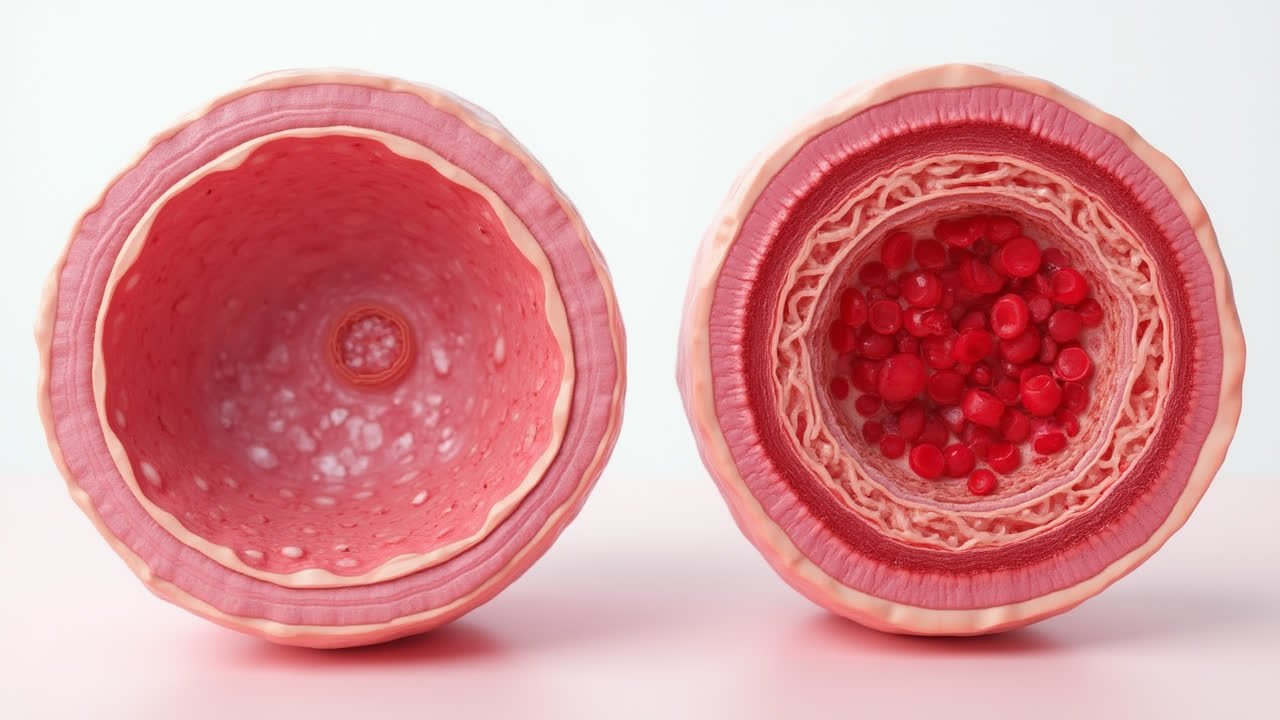
The human body contains various specialized linings that serve crucial functions in maintaining physiological processes and protecting organs. Among these linings, mesothelium and endothelium stand out as two distinct types of epithelial tissues that play vital roles in different body systems. While both are composed of simple squamous epithelium in adults, they originate from different embryonic layers and serve unique functions in specific locations within the body.
When studying human anatomy, understanding the differences between these epithelial linings is essential for comprehending various physiological processes and disease mechanisms. Mesothelium forms the protective lining of serous membranes, creating slippery surfaces that allow organs to move without friction. In contrast, endothelium lines the inner surfaces of blood vessels, lymphatic vessels, and heart chambers, facilitating smooth blood flow and regulating the exchange of substances between blood and tissues.
This comprehensive guide explores the key characteristics, locations, functions, and clinical significance of both mesothelium and endothelium. Whether you're a medical student, healthcare professional, or simply curious about human anatomy, understanding these tissue types will provide valuable insights into how our bodies maintain homeostasis and respond to pathological conditions.
What is Mesothelium?
Mesothelium is a specialized epithelial tissue that lines the serous cavities of the body and the organs contained within these cavities. Derived from the mesoderm during embryonic development, this tissue forms a protective layer that covers and supports various internal organs. The mesothelium consists of a single layer of flattened squamous epithelial cells that produce a lubricating fluid, allowing organs to glide smoothly against each other during movement.
The primary locations where mesothelium is found include the peritoneum (lining the abdominal cavity), pericardium (surrounding the heart), and pleura (covering the lungs). In the peritoneum, it exists as two layers: the visceral peritoneum that directly covers the abdominal organs and the parietal peritoneum that lines the abdominal wall. Similarly, in the pleura, the visceral pleura adheres to the lung surface while the parietal pleura lines the chest wall.
Functionally, the mesothelium serves several critical purposes beyond just providing a slippery surface. It actively participates in fluid transport, immune responses, and tissue repair. Mesothelial cells secrete glycosaminoglycans and phospholipids that create a lubricating film, reducing friction between organs during physiological movements like breathing and digestion. They also facilitate the movement of fluids and substances between internal organs and their external environment, acting as a semi-permeable membrane.
Additionally, mesothelial cells play an immunological role by participating in inflammatory responses and defense against infections. They can secrete cytokines, growth factors, and other signaling molecules that help coordinate immune responses and tissue healing. When damaged, they contribute to the formation of blood clots and subsequent tissue repair processes. However, abnormal changes in mesothelial cells can lead to serious conditions such as mesothelioma (a rare but aggressive form of cancer), adhesions, fibrosis, and pleural effusions.
What is Endothelium?
The endothelium is a specialized epithelial tissue that forms the innermost lining of blood vessels, lymphatic vessels, and heart chambers. Unlike mesothelium, endothelium can originate from either ectoderm or endoderm during embryonic development. This tissue consists of a single layer of flattened squamous epithelial cells called endothelial cells, which are attached to a basal lamina and form a continuous lining throughout the entire circulatory system.
Given its location, the endothelium serves as the primary interface between circulating blood and the surrounding tissues. This strategic position allows it to perform numerous vital functions that maintain vascular health and overall homeostasis. One of its fundamental roles is providing a smooth, non-sticky surface that facilitates the frictionless flow of blood throughout the circulatory system, preventing unnecessary blood clotting during normal circulation.
Beyond this mechanical function, endothelial cells act as a semi-selective barrier controlling the passage of materials between the bloodstream and tissues. They regulate the movement of white blood cells out of the bloodstream into tissues during immune responses through a process called diapedesis. This selective permeability function is crucial for proper nutrient delivery, waste removal, and immune cell trafficking throughout the body.
The endothelium also plays a critical role in regulating vascular tone by releasing vasoactive substances that can cause blood vessels to constrict (vasoconstriction) or dilate (vasodilation), thereby controlling blood pressure and blood flow distribution. Additionally, it participates in angiogenesis (formation of new blood vessels), helps prevent inappropriate blood clotting during normal circulation, and contributes to the inflammatory response when necessary.
Dysfunction of the endothelium is implicated in numerous pathological conditions, including atherosclerosis, hypertension, diabetes-related vascular complications, thrombosis, and various inflammatory disorders. The health of endothelial cells is therefore crucial for preventing cardiovascular disease and maintaining proper circulation throughout the body.
Similarities Between Mesothelium and Endothelium
Despite their distinct locations and embryonic origins, mesothelium and endothelium share several important characteristics that reflect their similar functions in the body. Understanding these similarities helps create a foundation for appreciating their specialized differences.
Both tissues are composed of simple squamous epithelium, consisting of a single layer of flattened cells that form continuous sheets. This cellular arrangement is ideally suited for lining body cavities and vessels, as it provides a smooth surface that minimizes friction and resistance. The flattened morphology of both mesothelial and endothelial cells allows them to form thin linings that don't obstruct the spaces they enclose.
Functionally, both mesothelium and endothelium provide non-adhesive, low-friction surfaces that facilitate smooth movement – whether it's the gliding of organs against each other in serous cavities or the flow of blood through vessels. Both tissues secrete substances that help maintain this slippery quality, preventing unwanted adhesions or clotting under normal conditions.
Another shared characteristic is their role in selective permeability. Both mesothelium and endothelium regulate the passage of substances between compartments, controlling what moves in and out of the spaces they line. This barrier function is essential for maintaining proper fluid balance and allowing appropriate exchange of nutrients, waste products, and signaling molecules.
Both tissues also participate in immune responses and inflammation. When activated by appropriate signals, both mesothelial and endothelial cells can express adhesion molecules, secrete cytokines, and interact with immune cells to coordinate responses to infection or injury. Similarly, both play roles in tissue repair and regeneration following damage.
Key Differences Between Mesothelium and Endothelium
While mesothelium and endothelium share certain structural and functional similarities, their differences are significant and reflect their specialized roles in distinct body systems. These differences encompass their embryonic origin, anatomical location, specific functions, and associated pathologies.
Comparative Analysis
| Characteristic | Mesothelium | Endothelium |
|---|---|---|
| Definition | Epithelium lining the peritoneum, pericardium, and pleura | Epithelium lining blood vessels, lymphatic vessels, and heart chambers |
| Embryonic Origin | Exclusively from mesoderm | From ectoderm or endoderm |
| Location | Serous membranes (peritoneum, pericardium, pleura) and reproductive organs | Inner surface of entire circulatory and lymphatic systems |
| Body Layer Classification | Middle covering of the body | Inner covering of the body |
| Principal Function | Provides frictionless surface for organ movement and protection | Facilitates blood flow and regulates vascular function |
| Associated Pathologies | Mesothelioma, adhesions, fibrosis, pleural effusions | Atherosclerosis, thrombosis, endotheliitis, vasculitis |
| Fluid Interaction | Produces serous fluid in body cavities | Interfaces with blood and lymph |
| Immunological Role | Defense against infections in body cavities | Control of leukocyte recruitment to tissues |
The primary anatomical distinction between these tissues lies in their specific locations. Mesothelium forms the lining of closed body cavities and the organs within them, serving as a middle body covering. In contrast, endothelium lines the internal surfaces of all blood vessels, lymphatic vessels, and heart chambers, functioning as the innermost body covering that directly contacts circulating blood.
Their embryonic origins also differ significantly. While mesothelium derives exclusively from the mesodermal layer of the embryo, endothelium can develop from either ectodermal or endodermal tissue, depending on the specific location. This developmental difference contributes to their distinct molecular characteristics and functional specializations.
Functionally, although both tissues provide non-sticky surfaces, they serve different physiological systems. Mesothelium primarily facilitates the movement of organs within body cavities and participates in fluid balance in these spaces. Endothelium, however, regulates vascular tone, controls blood-tissue exchanges, and plays a central role in hemostasis and thrombosis.
The pathologies associated with each tissue also reflect their unique properties and locations. Mesothelial disorders include mesothelioma (often associated with asbestos exposure), adhesions (abnormal connections between tissues), and various effusions. Endothelial dysfunction, meanwhile, contributes to cardiovascular diseases like atherosclerosis, thrombosis, and vasculitis, representing some of the leading causes of morbidity and mortality worldwide.
Clinical Significance and Pathologies
Both mesothelium and endothelium are involved in various pathological conditions that reflect their unique characteristics and locations in the body. Understanding these disease processes provides valuable insights into the clinical significance of these specialized tissues.
Mesothelium-Related Pathologies
The most serious condition affecting mesothelium is mesothelioma, a rare but aggressive form of cancer that primarily develops after prolonged exposure to asbestos. This malignancy can affect the pleural mesothelium (most common), peritoneal mesothelium, or, rarely, the pericardial mesothelium. Mesothelioma is particularly challenging to treat due to its tendency to spread along mesothelial surfaces rather than forming discrete tumors.
Mesothelial inflammation can lead to the formation of adhesions, abnormal fibrous connections between tissues that should normally slide past each other. These adhesions are common complications after abdominal or pelvic surgery and can cause chronic pain, intestinal obstruction, and fertility problems. Similarly, pleural adhesions can restrict lung expansion and cause chronic pain.
Abnormal fluid accumulation in mesothelial-lined spaces represents another category of mesothelial pathology. Pleural effusions (in the pleural space), pericardial effusions (around the heart), and ascites (in the peritoneal cavity) can result from various conditions including inflammation, infection, malignancy, or circulatory disorders. These fluid accumulations can compress adjacent organs and impair their function if not properly managed.
Endothelium-Related Pathologies
Endothelial dysfunction plays a central role in atherosclerosis, a progressive disease characterized by the accumulation of lipids, inflammatory cells, and fibrous tissue in arterial walls. This condition underlies most heart attacks and strokes, making it a leading cause of death worldwide. Endothelial injury initiates this process by allowing lipid infiltration and triggering inflammatory responses that eventually form atherosclerotic plaques.
Thrombosis, the inappropriate formation of blood clots within vessels, often begins with endothelial damage or dysfunction. These clots can obstruct blood flow, causing tissue ischemia and potentially life-threatening conditions like deep vein thrombosis, pulmonary embolism, myocardial infarction, or stroke. The endothelium normally prevents inappropriate clotting through various mechanisms, and disruption of these processes contributes to thrombotic disorders.
Vasculitis, inflammation of blood vessel walls, directly involves the endothelium and can affect vessels of various sizes throughout the body. This diverse group of disorders can cause tissue damage through inflammatory injury to vessel walls and reduction of blood flow to affected tissues. Similarly, endotheliitis (specific inflammation of the endothelium) has been recognized in conditions like viral infections, including COVID-19, where it contributes to multiorgan dysfunction.
Diabetic vascular complications largely result from endothelial dysfunction induced by chronic hyperglycemia. These include microvascular complications (retinopathy, nephropathy, neuropathy) and macrovascular disease (accelerated atherosclerosis). Understanding endothelial responses to metabolic stress has become crucial for developing therapies to prevent these complications.
Frequently Asked Questions
How do mesothelium and endothelium contribute to disease processes?
Mesothelium and endothelium contribute to disease processes in distinct ways based on their locations and functions. Mesothelial cells can undergo malignant transformation leading to mesothelioma, particularly after asbestos exposure. They're also involved in adhesion formation after injury or surgery, which can cause chronic pain and organ dysfunction. Mesothelial inflammation can result in effusions (abnormal fluid accumulation) in body cavities.
Endothelial dysfunction, meanwhile, is central to cardiovascular diseases. Damaged endothelium initiates atherosclerosis by allowing cholesterol infiltration into vessel walls and triggering inflammatory responses. Endothelial activation or injury also contributes to inappropriate blood clotting (thrombosis), vessel inflammation (vasculitis), and abnormal vessel permeability. In conditions like sepsis and COVID-19, widespread endothelial dysfunction can lead to multi-organ failure through mechanisms involving coagulation abnormalities and vascular leakage.
What diagnostic methods can identify mesothelial and endothelial disorders?
Diagnosing mesothelial disorders typically involves imaging techniques like CT scans, MRI, or ultrasound to detect abnormalities in serous cavities, including thickening, masses, or fluid accumulation. Fluid analysis through procedures like thoracentesis (pleural fluid), paracentesis (peritoneal fluid), or pericardiocentesis (pericardial fluid) allows cytological examination to detect abnormal mesothelial cells. In suspected mesothelioma, tissue biopsy with immunohistochemical staining for mesothelial markers (calretinin, WT1, cytokeratin 5/6) provides definitive diagnosis.
Endothelial disorders are evaluated using both functional and structural assessments. Non-invasive techniques include flow-mediated dilation (measuring arterial response to increased blood flow), pulse wave analysis, and biomarker testing (e.g., von Willebrand factor, E-selectin). Imaging methods such as vascular ultrasound, angiography, and intravascular ultrasound can visualize structural abnormalities. For certain vasculitides, tissue biopsy showing endothelial inflammation helps confirm diagnosis. Newer techniques like circulating endothelial cell counts and endothelial microparticle analysis are emerging as potential biomarkers for various endothelial pathologies.
How do treatments target mesothelial versus endothelial pathologies?
Treatments for mesothelial pathologies focus on the specific condition affecting these tissues. Mesothelioma may require multimodal therapy combining surgery, chemotherapy (pemetrexed/cisplatin), and radiation. For mesothelial adhesions, surgical lysis (cutting adhesions) may provide relief, though adhesion barriers during initial surgeries help prevent their formation. Mesothelial effusions are managed by treating underlying causes and sometimes through drainage procedures or pleurodesis (creating adhesions to prevent fluid reaccumulation in pleural spaces).
Endothelial-targeted therapies are more diverse given the central role of endothelium in vascular diseases. Statins not only lower cholesterol but also improve endothelial function. Antiplatelet agents (aspirin, P2Y12 inhibitors) and anticoagulants prevent pathological interactions between platelets/coagulation factors and damaged endothelium. Specific vasodilators (nitrates, calcium channel blockers) act on endothelial-smooth muscle signaling pathways. For inflammatory endothelial conditions like vasculitis, immunosuppressive therapies are employed. Newer approaches include drugs targeting endothelial growth factors for conditions like macular degeneration and certain cancers. Emerging research explores nanomedicine approaches to deliver drugs specifically to diseased endothelium.
Conclusion
The mesothelium and endothelium represent specialized epithelial tissues that play crucial roles in distinct body systems. While they share certain structural and functional similarities—both being simple squamous epithelia that provide smooth, non-adhesive surfaces—their differences in location, embryonic origin, and specific functions make them uniquely adapted to their respective physiological roles.
Mesothelium, derived from the mesoderm, forms the lining of serous cavities and the organs within them, facilitating frictionless movement between organs and participating in fluid balance and immune defense within these spaces. Endothelium, originating from either ectoderm or endoderm, lines the entire circulatory system, controlling blood-tissue exchanges, regulating vascular tone, and preventing inappropriate blood clotting.
Understanding the distinctions between these tissues is not merely an academic exercise. The pathologies affecting mesothelium and endothelium—from mesothelioma and adhesions to atherosclerosis and thrombotic disorders—represent significant causes of morbidity and mortality. Recognizing how these tissues contribute to disease processes has led to targeted therapeutic approaches that address their specific biological characteristics.
As research continues to uncover the molecular mechanisms underlying mesothelial and endothelial function, new opportunities for diagnostic and therapeutic interventions will emerge. The fundamental knowledge of these specialized linings provides an essential foundation for advances in treating conditions ranging from cardiovascular disease to mesothelioma, highlighting the importance of understanding basic tissue biology in addressing clinical challenges.