Mint Leaves vs Scent Leaves: Complete Comparison Guide
Have you ever grabbed what you thought was mint leaves from the herb garden only to be surprised by an unexpected flavor? Many culinary enthusiasts and home cooks often confuse mint leaves with scent leaves due to their similar appearance. However, these aromatic herbs come from entirely different plant families and offer distinct flavors, aromas, and culinary applications. This comprehensive guide will explore the key differences between mint leaves and scent leaves to help you better understand and utilize these flavorful herbs in your cooking adventures.
Both mint and scent leaves add incredible depth to dishes, but knowing when to use each can elevate your culinary creations from good to extraordinary. Whether you're brewing tea, preparing a fresh salad, or cooking a traditional African stew, understanding the unique properties of these aromatic leaves will enhance your cooking repertoire. Let's dive into the fascinating world of these commonly confused but distinctly different herbs!
What Are Mint Leaves?
Mint leaves come from plants in the Mentha genus, which belongs to the Lamiaceae family. There are numerous varieties of mint, with peppermint and spearmint being the most common. These versatile herbs have been used for centuries across diverse cultures for both culinary and medicinal purposes. I've grown different varieties in my garden for years, and the refreshing scent that wafts through the air when you brush against the plants is truly invigorating!
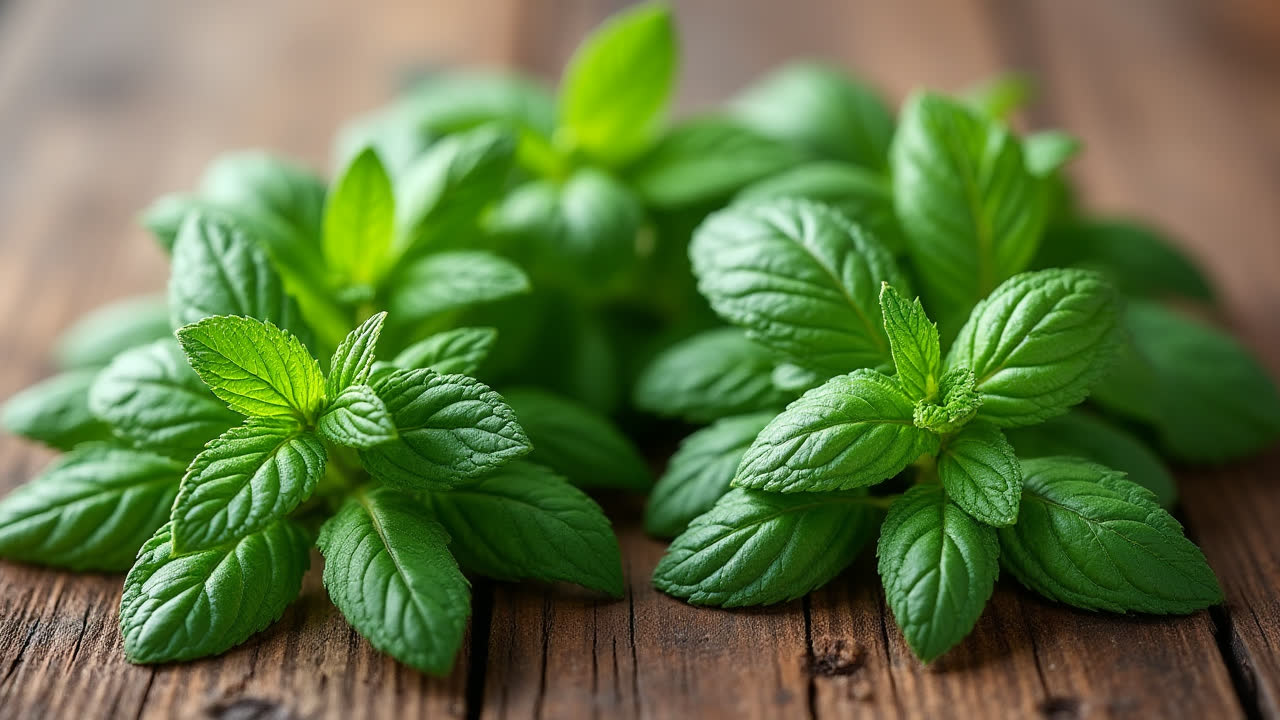
Mint plants typically feature square stems (a characteristic of the mint family) and opposite leaf arrangements. The leaves themselves vary in shape from oblong to lanceolate with serrated edges. Their color ranges from vibrant green to purple-tinged or even variegated patterns in some cultivars. The texture is generally smooth with a slight fuzziness, especially on the underside of the leaves.
What makes mint truly distinctive is its unmistakable aroma and flavor profile. The leaves contain menthol, which creates that characteristic cooling sensation when consumed. The taste is fresh, bright, and slightly sweet with cool undertones. This unique flavor makes mint leaves perfect for both sweet and savory applications. I particularly enjoy adding freshly chopped mint to my summer salads—it adds such a refreshing dimension!
Mint grows vigorously—sometimes too vigorously if I'm being honest! I once planted mint directly in my herb garden and quickly learned the hard lesson that it should be contained in pots to prevent it from taking over. The plant spreads through underground runners called rhizomes, making it both easy to cultivate and sometimes challenging to control. This aggressive growth habit means that even novice gardeners can successfully grow mint, provided they keep it contained.
What Are Scent Leaves?
Scent leaves, scientifically known as Ocimum gratissimum, go by several regional names including clove basil, African basil, and wild basil. Unlike mint, which is common worldwide, scent leaves are particularly prominent in African and Asian cuisines, especially in West African countries like Nigeria, Ghana, and Cameroon. I first encountered these aromatic leaves during a culinary workshop focused on Nigerian cuisine, and I was immediately struck by their complex aroma.
These remarkable leaves grow on bushy plants that can reach up to 1-2 meters in height. The leaves are typically broad, oval-shaped, and have a distinctive pointed tip. Their color ranges from light to dark green, occasionally with purple undertones. The leaf edges feature slight serrations, though they're generally less pronounced than those found on mint leaves. The plant produces small, white to pale purple flowers when in bloom.
The most distinguishing feature of scent leaves is, as the name suggests, their powerful aroma. They emit a complex fragrance that combines notes of cloves, thyme, and sometimes hints of licorice or anise. When you crush a scent leaf between your fingers, the intensity of the aroma is immediately apparent—it's quite potent! This strong scent translates to an equally bold flavor profile that can transform ordinary dishes into extraordinarily aromatic culinary experiences.
In terms of taste, scent leaves offer a warm, slightly peppery flavor with distinctive clove-like notes. Unlike mint's cooling sensation, scent leaves provide a warming quality to dishes. The flavor is robust and can be quite dominant, so it's typically used with a careful hand in cooking. I've found that a little goes a long way when adding these leaves to soups and stews!
Growing scent leaves requires warmer conditions than mint, as they're native to tropical regions. They thrive in humid environments with temperatures consistently above 65°F (18°C). While not as invasive as mint, they grow vigorously in the right conditions, making them relatively easy to cultivate in suitable climates or indoor environments where temperatures can be controlled.
Key Differences Between Mint Leaves and Scent Leaves
Understanding the distinct characteristics of mint and scent leaves is essential for anyone interested in exploring diverse culinary traditions or expanding their herbal knowledge. Let's break down the primary differences between these two aromatic herbs in greater detail.
| Characteristic | Mint Leaves | Scent Leaves |
|---|---|---|
| Botanical Origin | Mentha genus (Lamiaceae family) | Ocimum gratissimum (Lamiaceae family) |
| Flavor Profile | Cool, refreshing, sweet with slight bitterness | Warm, clove-like, hints of anise and licorice |
| Aroma | Fresh, crisp, strong menthol scent | Pungent, complex with clove and thyme notes |
| Culinary Uses | Desserts, teas, cocktails, Mediterranean dishes | Soups, stews, sauces, African and Asian cuisines |
| Leaf Appearance | Oblong to lanceolate, serrated edges, often bright green | Broader, oval with pointed tip, medium to dark green |
| Plant Growth | Spreading, invasive, grows via rhizomes | Bushy, upright growth, can reach 1-2 meters |
| Climate Preference | Temperate to cool, adapts to many growing zones | Tropical, requires consistent warmth and humidity |
| Primary Medicinal Uses | Digestive aid, breath freshener, headache relief | Antimicrobial, fever reduction, respiratory support |
Culinary Applications
The distinct flavor profiles of mint and scent leaves lend themselves to different culinary applications across various world cuisines. Knowing how to employ each herb effectively can significantly enhance your cooking.
Mint Leaves in Cooking
Mint leaves have secured their place in culinary traditions worldwide due to their versatile and refreshing nature. In Mediterranean cuisine, mint features prominently in dishes like tabbouleh, where it adds brightness to the bulgur wheat salad. Middle Eastern kitchens incorporate mint into yogurt-based sauces, meat dishes like lamb kofta, and refreshing beverages. I've experimented with adding mint to grilled vegetables, and the way it enhances eggplant is nothing short of magical!
In desserts, mint pairs wonderfully with chocolate—think mint chocolate chip ice cream or mint brownies. It's also a natural companion to fruits, particularly in summer fruit salads where it adds a cooling contrast. The beverage world would be significantly less exciting without mint; it's essential for classics like mojitos, mint juleps, and the refreshing Moroccan mint tea that's served throughout North Africa. Even something as simple as water can be transformed with a few muddled mint leaves—a trick I use regularly during hot summer months.
What makes mint particularly valuable in the kitchen is its ability to cut through richness. When added to heavy, fatty dishes, it provides a contrasting freshness that balances the overall flavor profile. This quality makes it an excellent addition to lamb dishes, creamy sauces, and even certain chocolate desserts. The cooling sensation of mint also makes it ideal for summer recipes when you want food that feels refreshing.
Scent Leaves in Cooking
Scent leaves play a fundamental role in West African cuisine, particularly in Nigerian cooking where they're an essential ingredient in many traditional dishes. One classic application is in egusi soup, a rich, seed-based soup where scent leaves contribute their distinctive aromatic quality. They're also crucial in preparing pepper soup, a spicy, broth-based dish often served as a starter or to those recovering from illness.
Beyond soups and stews, scent leaves find their way into vegetable sauces, meat marinades, and even fermented food preparations across various African traditions. Their strong flavor stands up well to long cooking times, making them ideal for slow-cooked dishes where herbs with more delicate profiles might lose their impact. When I make Nigerian-inspired stews, I've found that adding scent leaves toward the end of cooking preserves more of their distinctive aroma.
In Asian cuisines, particularly in parts of India and Southeast Asia, scent leaves appear in curries, stir-fries, and marinades. Their robust flavor profile complements spicy dishes particularly well, adding another layer of aromatic complexity. Unlike mint, which often serves as a finishing herb, scent leaves can function as a foundational flavor in dishes, helping to build the aromatic base upon which other flavors are constructed.
It's worth noting that due to their potency, scent leaves are typically used more sparingly than mint. A little goes a long way, and overusing them can result in a dish where their strong flavor overwhelms all other elements. This is something I learned the hard way when first experimenting with these leaves—my initial attempts at West African stews were dominated by the scent leaf flavor!
Health Benefits and Traditional Uses
Both mint and scent leaves have been valued for their medicinal properties across different cultures for centuries. While their applications overlap in some areas, they each offer unique health benefits worth exploring.
Medicinal Properties of Mint Leaves
Mint leaves have earned their reputation as effective digestive aids. The menthol they contain helps relax the muscles of the digestive tract, potentially relieving issues like indigestion, bloating, and irritable bowel syndrome. I've personally found that a cup of fresh mint tea after a heavy meal can work wonders for settling an uncomfortable stomach.
Beyond digestive applications, mint serves as a natural decongestant and expectorant, making it useful for managing symptoms of colds and respiratory conditions. The cooling sensation it provides can temporarily relieve headaches when applied topically as an essential oil (properly diluted, of course). Mint also contains significant amounts of antioxidants, which help combat oxidative stress in the body.
In traditional medicine systems from Europe to the Middle East, mint has been used to address a wide range of conditions from fever reduction to morning sickness during pregnancy. Modern research continues to investigate mint's potential antimicrobial properties and its ability to improve cognitive function and alertness when inhaled as an essential oil.
Medicinal Properties of Scent Leaves
Scent leaves boast an impressive array of medicinal applications in traditional African and Asian healing systems. In Nigerian folk medicine, they're commonly used to treat febrile conditions (fever), making them a go-to remedy for malaria symptoms. The leaves contain thymol and eugenol, compounds with demonstrated antimicrobial properties that may explain their effectiveness against certain infections.
Respiratory conditions represent another area where scent leaves shine therapeutically. They're often used to address coughs, colds, and bronchitis, either through preparation as teas or by adding them to steam inhalations. Some communities also employ scent leaves as a natural insect repellent, rubbing the crushed leaves on skin or burning them to drive away mosquitoes—a practice I've witnessed firsthand during travels in West Africa.
Research suggests that scent leaves may possess anti-inflammatory and analgesic (pain-relieving) properties, potentially making them useful for managing conditions characterized by inflammation. Some traditional practitioners also use them to address digestive issues, though their application differs from mint—they're often employed for more serious gastrointestinal infections rather than general digestive discomfort.
Growing and Harvesting Tips
For those interested in cultivating these aromatic herbs at home, understanding their different growing requirements can help ensure successful harvests. Both plants can thrive under the right conditions, but they have distinct preferences and growth habits.
Cultivating Mint Leaves
Mint earns its reputation as one of the easiest herbs to grow—sometimes too easy! The primary consideration when growing mint is containment. I always recommend planting mint in containers rather than directly in garden beds, as its vigorous rhizomes can quickly take over and become invasive. If you do plant mint in the ground, using barriers that extend at least 12 inches deep can help control its spread.
This hardy herb prefers partial shade, especially in hotter climates, though it can tolerate full sun with adequate moisture. Mint enjoys consistently moist (but not waterlogged) soil rich in organic matter. One advantage of mint's vigorous growth habit is that you can harvest it frequently throughout the growing season; in fact, regular harvesting encourages bushier growth and greater leaf production.
When harvesting mint, I've found that cutting stems just above a set of leaves promotes branching and creates a fuller plant. For the most potent flavor, harvest mint leaves in the morning after the dew has dried but before the heat of the day. During winter in colder regions, mint will die back but return vigorously in spring—sometimes with renewed determination to expand its territory!
Cultivating Scent Leaves
Scent leaves present more challenges for growers in temperate regions due to their tropical origin. They require consistently warm temperatures ideally between 70-85°F (21-29°C) and struggle when temperatures drop below 65°F (18°C). In colder climates, they're best grown as annuals during summer months or kept indoors where temperatures can be controlled.
Unlike mint, scent leaves prefer full sun exposure to develop their strongest flavor and aroma profile. They thrive in well-draining soil with moderate fertility—too much nitrogen can actually reduce the concentration of essential oils that give the leaves their distinctive scent and flavor. While they appreciate consistent moisture, they're more tolerant of brief dry periods than mint.
When harvesting scent leaves, I've learned to take just what I need for immediate use, as they don't store as well as mint. If you want to preserve their flavor for later use, drying or freezing works better than refrigeration. Pruning the plant regularly encourages bushier growth and prevents it from becoming leggy. In tropical regions where they're perennial, plants can be cut back hard at the end of the growing season to rejuvenate them for the following year.
Frequently Asked Questions
Can mint leaves be substituted for scent leaves in recipes?
While both are aromatic herbs, mint leaves and scent leaves have distinctly different flavor profiles that don't make for direct substitutions. Mint's cooling, sweet profile contrasts sharply with scent leaves' warm, clove-like character. Using mint in traditional African dishes that call for scent leaves would significantly alter the intended flavor profile. If you absolutely need a substitute, Thai basil or a combination of basil and a small amount of cloves might better approximate the complex flavor of scent leaves than mint would. Conversely, in recipes calling for mint, scent leaves would overwhelm the dish with their stronger flavor. Better substitutes for mint might include spearmint, peppermint, or even a light touch of basil with a hint of menthol extract.
How do you store mint and scent leaves to maintain freshness?
For mint leaves, trim the stems and place them in a glass with an inch of water, like a bouquet of flowers. Cover loosely with a plastic bag and refrigerate. Change the water every 2-3 days, and mint can last up to two weeks this way. Alternatively, wrap unwashed mint leaves in a damp paper towel, place in a sealed container, and refrigerate. For scent leaves, which are more delicate, the best short-term storage method is to wrap them loosely in slightly damp paper towels and place in an unsealed plastic bag in the refrigerator. They typically stay fresh for 3-5 days. For longer storage of both herbs, freezing or drying works well. To freeze, chop the leaves and place in ice cube trays with water or oil. For drying, hang small bunches upside down in a warm, dark, well-ventilated area until completely dried, then store in airtight containers away from light.
What are the most popular varieties of mint leaves for culinary use?
The two most widely used mint varieties in cooking are spearmint (Mentha spicata) and peppermint (Mentha × piperita). Spearmint has a sweeter, more delicate flavor that works beautifully in Mediterranean dishes, salads, and cocktails like mojitos. Peppermint contains more menthol, giving it a stronger, more cooling sensation that makes it ideal for desserts and chocolate pairings. Beyond these common types, apple mint (Mentha suaveolens) offers a fruity undertone that complements fruit salads and summer beverages. Chocolate mint, despite its name, doesn't taste exactly like chocolate but has a pleasant hint of cocoa that works well in desserts. Moroccan mint (a variety of spearmint) is the traditional choice for North African mint tea, while pineapple mint adds a subtle tropical note to fruit dishes. Each variety brings its own nuanced flavor profile to different culinary applications, making mint one of the most versatile herb families in the kitchen.
Conclusion
While mint leaves and scent leaves may occasionally be confused due to some superficial similarities, they represent distinctly different culinary traditions and flavor profiles. Mint's cooling, sweet characteristics have made it a global favorite across numerous cuisines, particularly in Mediterranean, Middle Eastern, and Western cooking. Its refreshing nature lends itself beautifully to both sweet and savory applications, making it one of the most versatile herbs in the culinary world.
Scent leaves, with their complex aroma and bold, warming flavor profile, remain somewhat less familiar in Western kitchens but are absolutely essential to authentic West African and certain Asian cuisines. Their powerful presence in dishes reflects the rich, layered flavor profiles characteristic of these culinary traditions.
Whether you're expanding your herb garden or looking to explore new culinary territories, understanding the differences between these aromatic leaves opens up exciting possibilities. Each brings its unique character to the table, enhancing dishes in ways that reflect centuries of culinary wisdom from different corners of the world. So next time you're creating in the kitchen, consider which aromatic profile—the cool refreshment of mint or the warm complexity of scent leaves—will best complement your culinary creation.