Pepsin vs Trypsin: 12 Critical Differences You Should Know
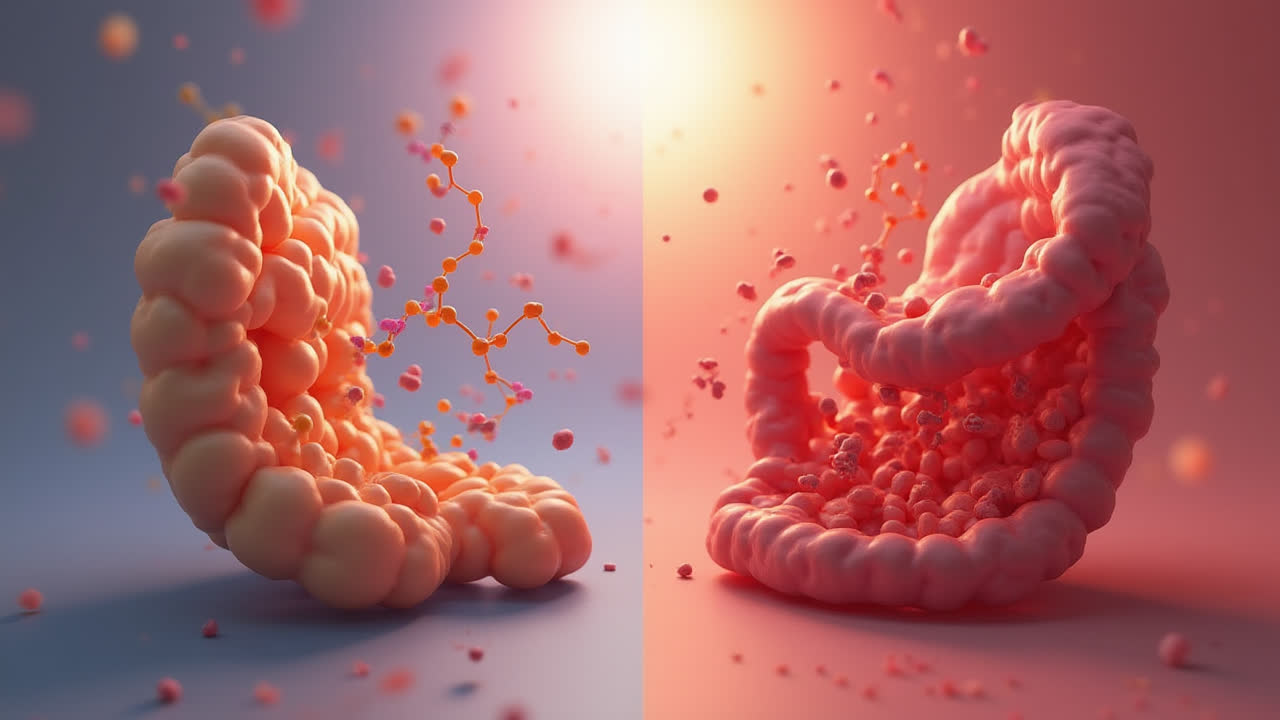
Our digestive system is a marvel of biological engineering, breaking down complex food molecules into simpler forms that our body can absorb and utilize. At the heart of protein digestion are two proteolytic enzymes: pepsin and trypsin. While both serve the essential function of breaking down proteins, they differ significantly in their origin, activation mechanism, and optimal working conditions. Have you ever wondered why our body needs different enzymes to digest the same type of macronutrient? The answer lies in the fascinating world of digestive biochemistry.
What is Pepsin? Understanding the Stomach's Primary Protein Digester
Pepsin stands as the main proteolytic enzyme in vertebrates and is a critical component of gastric juice. Produced by the gastric mucosa in an inactive form called pepsinogen, this enzyme truly comes to life in the highly acidic environment of the stomach. I've always found it remarkable how our body protects itself from self-digestion by producing enzymes in inactive forms!
When pepsinogen encounters the strongly acidic conditions of the stomach (thanks to hydrochloric acid secretion), it undergoes a conformational change that activates it into pepsin. This activation requires the protonation of one of two aspartate residues at the catalytic site and occurs optimally at a pH between 1 and 5. Outside this range, pepsin loses its digestive powers, which is why antacids can sometimes interfere with protein digestion when taken in excess.
Pepsin shows a rather broad specificity for peptide linkages, particularly favoring those in aromatic or carboxylic L-amino acids. It primarily hydrolyzes peptide bonds at the C-terminal of phenylalanine and leucine residues. This means it breaks proteins into smaller fragments called proteoses and peptones rather than completely digesting them to amino acids. This partial digestion is by design, as the body has a sequential digestion process with different enzymes handling different stages.
Scientists have identified four types of pepsin proteins: pepsin A (the predominant form), pepsin B (also called parapepsin I), pepsin C (gastricsin), and pepsin D (an unphosphorylated form of pepsin A). Each variant has slightly different properties, though they all serve the same fundamental purpose of initiating protein breakdown in the strongly acidic gastric environment.
What is Trypsin? The Pancreatic Protein-Digesting Powerhouse
Moving further down the digestive tract, we encounter trypsin, a pancreatic serine protease that continues the protein digestion process started by pepsin. Unlike pepsin, trypsin operates in the alkaline environment of the small intestine and has a more specialized function. It's fascinating how our digestive system transitions from acidic to alkaline environments to optimize different enzymatic activities!
The pancreas produces trypsin as an inactive precursor called trypsinogen, which is secreted into the duodenum (the first section of the small intestine). Once there, an enzyme called enteropeptidase (also known as enterokinase) activates trypsinogen by removing a terminal hexapeptide. This activation mechanism is another example of the body's careful regulation of digestive processes to prevent self-digestion of organs.
Unlike the broader specificity of pepsin, trypsin has a substrate specificity for positively charged lysine and arginine side chains. It hydrolyzes peptide bonds at the C-terminal side of these amino acids, breaking down proteins into smaller polypeptides. This specificity complements pepsin's action, ensuring that different types of peptide bonds in dietary proteins can be effectively cleaved during digestion.
Researchers have identified two main types of trypsin enzymes: α-trypsin and β-trypsin, with the former being the predominant form. Both forms contain active site residues including aspartic acid, histidine, and serine, with serine playing a crucial role in the catalytic mechanism. Beyond its digestive role, trypsin finds applications in various laboratory and industrial processes, including tissue dissociation, cell harvesting through trypsinization, and in vitro protein studies.
Pepsin vs Trypsin: A Comprehensive Comparison
Now that we've explored each enzyme individually, let's directly compare pepsin and trypsin across multiple parameters to better understand their differences and similarities. This comparison highlights why both enzymes are essential for complete protein digestion despite their seeming functional redundancy.
| Comparison Factor | Pepsin | Trypsin |
|---|---|---|
| Production Site | Gastric glands of the stomach | Exocrine glands of the pancreas |
| Component of | Gastric juice | Pancreatic juice |
| Secreted into | Stomach | Duodenum of small intestine |
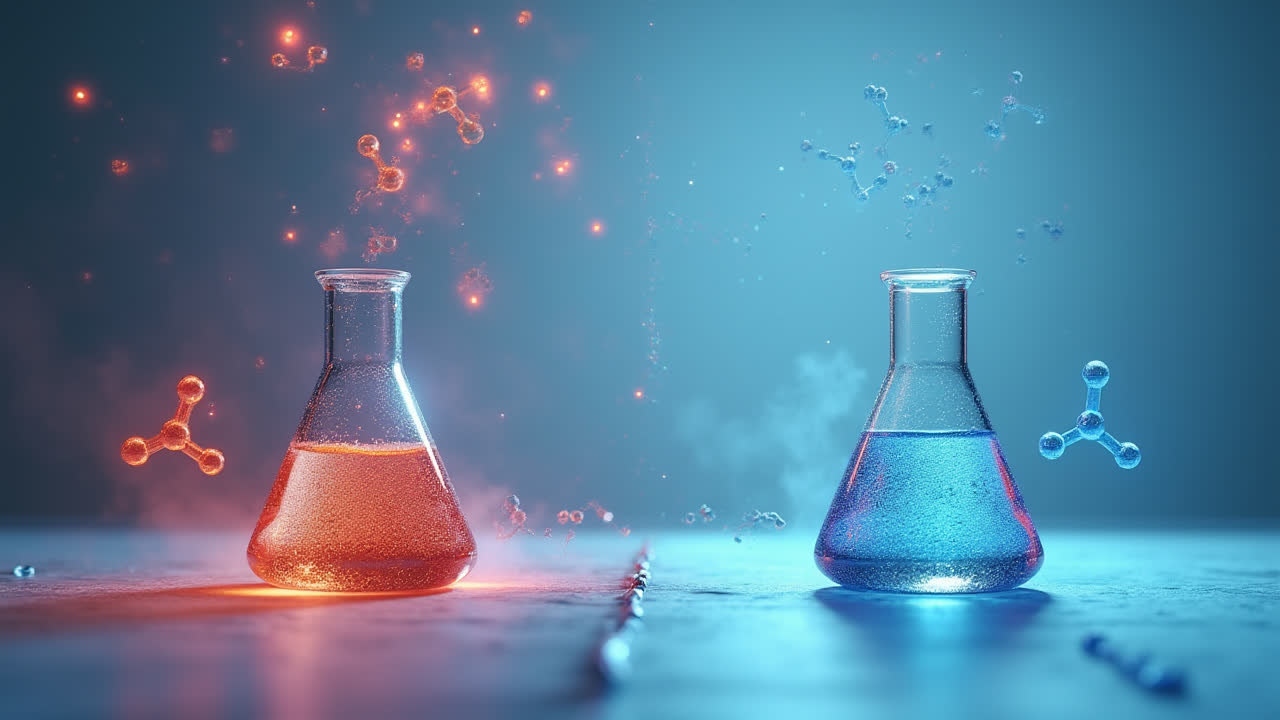
| Optimal pH | Acidic medium (pH 1.5-3.5) | Alkaline medium (pH 7.5-8.5) |
| Inactive Form | Pepsinogen | Trypsinogen |
| Activation Method | Activated by HCl in gastric juice | Activated by enteropeptidase enzyme |
| Enzymatic Action | Hydrolyzes peptide bonds between large hydrophobic amino acid residues | Hydrolyzes peptide bonds at C-terminal side of lysine or arginine |
| Active Site Residues | Aspartic acid | Aspartic acid, histidine, and serine |
| Enzyme Types | Pepsin A, B, C, and D | α-trypsin and β-trypsin |
| Digestion Products | Proteoses and peptones | Polypeptides |
| Known Inhibitors | Aliphatic alcohols, pepsin A, substrate-like epoxidase | DFP, aprotinin, Ag+, EDTA, benzamidine |
| Practical Applications | Antibody digestion, collagen preparation, protein digestibility assays | Tissue dissociation, cell harvesting, mitochondrial isolation |
Similarities Between Pepsin and Trypsin
Despite their differences, pepsin and trypsin share several important similarities that reflect their common role in the digestive process:
- Both are proteolytic enzymes (proteases) that catalyze the hydrolysis of peptide bonds in proteins.
- They are both secreted as inactive precursors (zymogens) to prevent damage to the organs that produce them.
- Both enzymes play crucial roles in the digestive system's protein breakdown process.
- They both have optimal pH ranges for activity, reflecting their adaptation to different regions of the digestive tract.
- Both enzymes exhibit specificity for particular amino acid residues in proteins, though they target different ones.
These similarities highlight the evolutionary importance of protein digestion in vertebrates. Our digestive system has developed these complementary enzymes to ensure that dietary proteins are efficiently broken down into forms that can be absorbed and utilized by the body. The sequential action of pepsin followed by trypsin (and other proteases) demonstrates the elegant design of our digestive process.
The Sequential Process of Protein Digestion
Understanding the relationship between pepsin and trypsin requires considering the sequential nature of protein digestion in the human body. This process begins in the stomach and continues in the small intestine, with each enzyme playing a specific role at different stages.
When we consume protein-rich foods, they first encounter the acidic environment of the stomach. Here, pepsin begins breaking down proteins into smaller fragments (proteoses and peptones). The acidic environment not only activates pepsin but also denatures proteins, unfolding them and making their peptide bonds more accessible to enzymatic action. However, pepsin alone cannot completely digest proteins to their constituent amino acids.
As the partially digested food moves into the small intestine, the acidic chyme from the stomach is neutralized by bicarbonate ions secreted by the pancreas. This creates an alkaline environment where trypsin and other pancreatic proteases (chymotrypsin, carboxypeptidase) can function optimally. Trypsin continues the breakdown process, cleaving different peptide bonds than those targeted by pepsin and producing smaller polypeptides.
Finally, peptidases on the brush border of the small intestine complete the digestion process, breaking down the remaining polypeptides into individual amino acids and small peptides that can be absorbed by the intestinal cells. This sequential process ensures thorough protein digestion, maximizing nutrient absorption and utilization.
Clinical Significance and Applications
Beyond their digestive roles, both pepsin and trypsin have significant clinical relevance and applications in various fields:
Medical Implications
Abnormalities in pepsin or trypsin production or activity can lead to various digestive disorders. For instance, pepsin levels may be measured in patients with suspected gastroesophageal reflux disease (GERD), as pepsin can damage the esophageal lining when stomach contents reflux upward. Similarly, measurement of trypsin levels in blood or stool can help diagnose pancreatic disorders such as pancreatitis or cystic fibrosis.
Laboratory and Research Applications
In laboratory settings, pepsin finds use in antibody digestion to create F(ab')2 fragments, preparation of collagen for various applications, and conducting protein digestibility assays. These applications leverage pepsin's specificity for certain peptide bonds and its stability in acidic conditions.
Trypsin, on the other hand, is widely used in tissue dissociation protocols, cell harvesting through a process called trypsinization, isolation of mitochondria, and various in vitro protein studies. Its precise specificity for lysine and arginine residues makes it valuable for generating predictable protein fragments for analysis.
Industrial Applications
Both enzymes have found applications in the food industry. Pepsin may be used in the production of protein hydrolysates and as a digestive aid supplement. Trypsin has applications in meat tenderization and certain food processing techniques. Their different specificities and optimal conditions make them suitable for different industrial processes.
Frequently Asked Questions
What happens if pepsin enters the small intestine?
When pepsin enters the small intestine from the stomach, it becomes largely inactive due to the alkaline environment. The small intestine has a pH of around 7.5-8.5, which is significantly higher than pepsin's optimal pH range of 1.5-3.5. In this alkaline environment, pepsin's protein structure changes, rendering its active site ineffective. Additionally, the pancreatic secretions in the small intestine contain inhibitors that can further neutralize any remaining pepsin activity. This pH-dependent inactivation is an important protective mechanism that prevents pepsin from damaging the intestinal lining, which lacks the thick mucus layer that protects the stomach from its own digestive enzymes.
Can pepsin and trypsin work together in the same environment?
Pepsin and trypsin cannot effectively work together in the same environment because they require vastly different pH conditions for optimal activity. Pepsin functions best in the highly acidic environment of the stomach (pH 1.5-3.5), while trypsin requires the alkaline conditions of the small intestine (pH 7.5-8.5). If placed together, one or both enzymes would be significantly inhibited depending on the pH of the environment. This is why the digestive system separates their activity both spatially and temporally, with pepsin acting first in the stomach and trypsin later in the small intestine. In laboratory or industrial applications where both types of enzymatic activity might be desired, they must be used sequentially with pH adjustments between steps, rather than simultaneously.
Why does the body use multiple enzymes to digest proteins instead of just one super-enzyme?
The body uses multiple protein-digesting enzymes rather than a single "super-enzyme" for several important reasons. First, different enzymes have specificity for different types of peptide bonds, ensuring more complete protein breakdown than any single enzyme could achieve. Second, separating digestion into sequential steps allows for better regulation and control of the process. Third, the different environments along the digestive tract (acidic stomach versus alkaline intestine) require enzymes adapted to those specific conditions. Fourth, this redundancy provides a failsafe mechanism – if one enzyme is deficient, others can partially compensate. Finally, the sequential digestion process helps to gradually break down complex proteins into progressively smaller fragments, which is more efficient than attempting complete digestion in one step. This evolutionary design reflects the critical importance of protein digestion for survival.
Conclusion
Pepsin and trypsin represent a fascinating example of how our digestive system has evolved specialized tools to handle different aspects of the same fundamental process. Though both are proteolytic enzymes involved in protein digestion, they differ significantly in their site of production, optimal working conditions, specificity, and even their molecular mechanisms.
Pepsin, with its preference for acidic conditions and broader specificity, initiates protein breakdown in the stomach. Trypsin, with its requirement for alkaline conditions and more targeted specificity, continues this process in the small intestine. Together with other digestive enzymes, they ensure that dietary proteins are efficiently broken down into forms that can be absorbed and utilized by the body.
Understanding the differences and relationship between these enzymes not only provides insight into the elegance of human digestion but also has practical applications in medicine, research, and industry. Whether you're a student of biochemistry, a healthcare professional, or simply someone curious about how your body works, appreciating the distinct roles of pepsin and trypsin enhances your understanding of one of the most fundamental processes of life: the conversion of food into fuel for cellular activities.