Pulmonary vs Systemic Circulation: Understanding the Two Vital Pathways
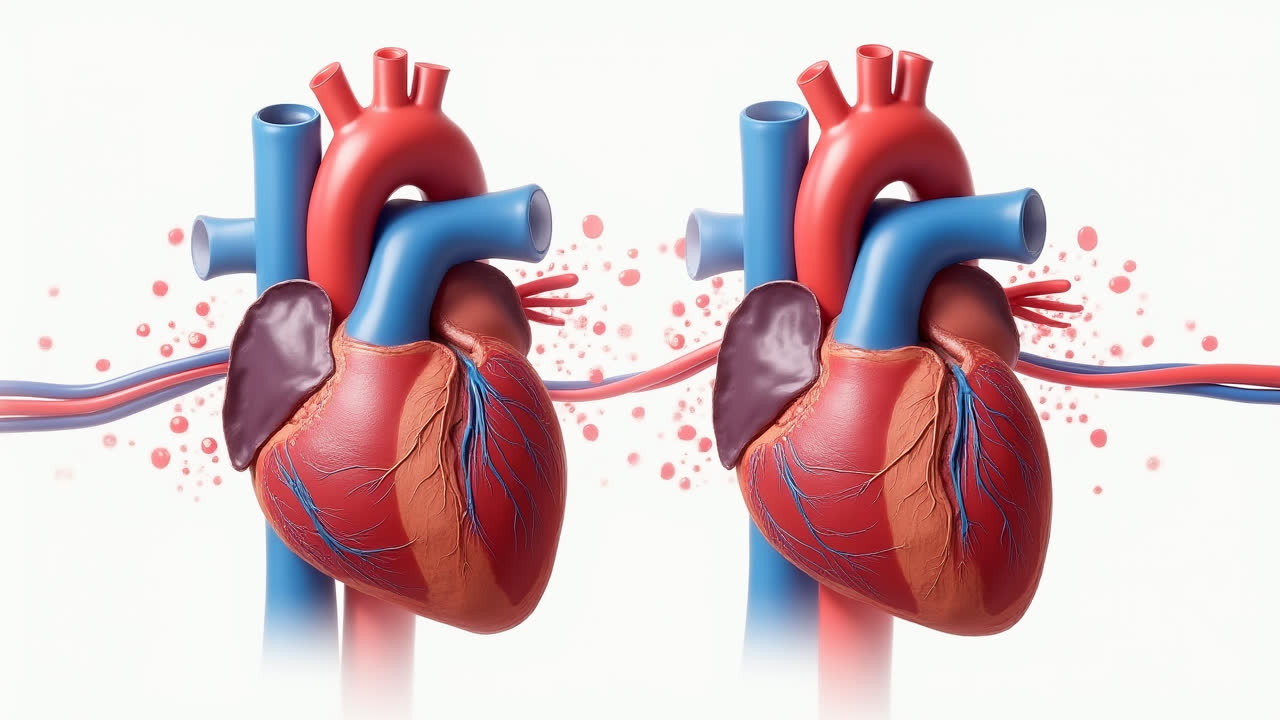
Have you ever wondered how blood travels throughout your body, delivering vital oxygen and nutrients to every cell? The human circulatory system is a marvel of biological engineering, featuring two distinct yet interconnected pathways: pulmonary circulation and systemic circulation. These two circuits work in perfect harmony to keep us alive, yet they have fundamentally different roles and characteristics that are fascinating to explore.
In mammals like humans, blood circulates through the heart twice in what's known as double circulation. This efficient system ensures that oxygenated and deoxygenated blood remain separate, maximizing the delivery of oxygen to tissues. But what exactly makes these two circulatory pathways different, and why does our body need both? Let's dive into the remarkable world of cardiovascular physiology to understand these crucial systems better.
The main difference between pulmonary and systemic circulation lies in their purpose and the nature of blood they carry. While pulmonary circulation moves deoxygenated blood from your heart to your lungs and returns oxygenated blood back to your heart, systemic circulation delivers this freshly oxygenated blood from your heart throughout your body and returns deoxygenated blood back to your heart. This continuous cycle is what keeps every cell in your body nourished and functioning.
What is Pulmonary Circulation?
Pulmonary circulation is the specialized pathway that carries blood between your heart and lungs. I find this system particularly fascinating because it's the only place in the adult body where arteries carry deoxygenated blood and veins carry oxygenated blood—the opposite of what happens everywhere else! The journey begins when deoxygenated blood flows from the right atrium into the right ventricle of your heart. When the heart contracts, this blood is pumped through the pulmonary artery (also called the pulmonary trunk), which soon divides into the left and right pulmonary arteries, each serving one lung.
Once inside your lungs, these arteries branch further into smaller and smaller vessels, eventually forming tiny capillaries that surround the alveoli—the microscopic air sacs where gas exchange takes place. Here's where the magic happens: carbon dioxide, a waste product from your body's metabolism, diffuses out of the blood and into the alveoli to be exhaled, while oxygen from the air you breathe diffuses into the blood. This freshly oxygenated blood then collects into the pulmonary veins—four in total—which carry it back to the left atrium of your heart.
One thing I've always found interesting is how the pulmonary circulation operates at much lower pressure than the systemic circulation. This low-pressure system is perfectly designed for its function, as higher pressures could actually damage the delicate tissues of the lungs and potentially cause fluid leakage into the alveoli. Nature has truly optimized this system for efficient gas exchange!
What is Systemic Circulation?
After the pulmonary circulation has done its job of oxygenating blood, the systemic circulation takes over to distribute this oxygen-rich blood throughout the body. The journey starts when oxygenated blood from the pulmonary veins enters the left atrium of the heart. From there, it flows into the left ventricle—the heart's most muscular chamber. With a powerful contraction, the left ventricle pumps this blood out through the aorta, the largest artery in your body and the main highway of the systemic circulation.
The aorta branches into smaller arteries, which then divide into even smaller arterioles before finally forming vast networks of capillaries within tissues and organs. These capillaries are where the crucial exchange happens—oxygen and nutrients exit the blood and enter cells, while carbon dioxide and other waste products move from cells into the blood. This exchange is essential for cellular respiration, the process that generates energy for all cellular activities. Without this constant delivery system, our cells would quickly run out of fuel and oxygen.
After passing through the capillary networks, the now deoxygenated blood collects into small venules, which merge to form larger veins. These veins ultimately converge into two major vessels: the superior vena cava (draining blood from the head, neck, upper limbs, and chest) and the inferior vena cava (collecting blood from the lower body). Both of these great veins empty into the right atrium of the heart, completing the systemic circuit and setting the stage for the blood to enter the pulmonary circulation once again.
I've often marveled at how the systemic circulation must overcome significant resistance to push blood through approximately 60,000 miles of blood vessels in an adult human. The left ventricle needs to generate substantial pressure—about six times higher than that of the right ventricle—to drive blood through this extensive network. It's no wonder that the left ventricle has a much thicker muscular wall compared to the right!
Key Differences Between Pulmonary and Systemic Circulation
| Comparison Point | Pulmonary Circulation | Systemic Circulation |
|---|---|---|
| Definition | Circulation of blood between the heart and lungs | Circulation of blood between the heart and the rest of the body |
| Blood leaving the heart | Deoxygenated blood from right ventricle | Oxygenated blood from left ventricle |
| Blood returning to the heart | Oxygenated blood to left atrium | Deoxygenated blood to right atrium |
| Main vessels | Pulmonary artery and pulmonary veins | Aorta, superior and inferior vena cava |
| Destination | Lungs only | All body tissues and organs |
| Primary function | Gas exchange (oxygen uptake and carbon dioxide removal) | Delivery of oxygen and nutrients; removal of waste products |
| Blood pressure | Lower pressure system (25/8 mmHg) | Higher pressure system (120/80 mmHg) |
| Distance traveled | Shorter distance (heart to lungs and back) | Longer distance (throughout entire body) |
Similarities Between Pulmonary and Systemic Circulation
Despite their differences, pulmonary and systemic circulation share several important characteristics. Both are essential components of the double circulation system found in mammals and birds. This evolutionary advancement separates oxygenated and deoxygenated blood, making the delivery of oxygen to tissues much more efficient compared to the single circulation found in fish and many reptiles.
Both systems feature a closed circulation pattern, meaning blood always remains within blood vessels—unlike the open circulation systems seen in many invertebrates where blood can directly bathe tissues. Additionally, both pulmonary and systemic circulation rely on the heart as their central pumping station and involve similar types of blood vessels—arteries carrying blood away from the heart, veins returning blood to the heart, and capillaries facilitating exchange between blood and tissues.
Another similarity worth noting is that both systems play crucial roles in maintaining homeostasis. While they have different specific functions, they both contribute to the body's overall equilibrium by helping regulate body temperature, pH balance, and fluid distribution. The coordination between these two systems is a testament to the remarkable integration of biological systems within our bodies.
The Importance of Double Circulation
The development of double circulation represents a significant evolutionary advancement. Animals with this system, like mammals and birds, can maintain higher metabolic rates because they can deliver more oxygen to their tissues more efficiently. This efficiency comes from keeping oxygenated and deoxygenated blood separate, which maintains a stronger concentration gradient for oxygen transfer at both the lungs and body tissues.
In contrast, many reptiles have an incompletely divided heart, resulting in some mixing of oxygenated and deoxygenated blood. This limits their metabolic efficiency and is one reason why most reptiles are ectothermic (cold-blooded). Fish have an even simpler circulation system—single circulation—where blood passes through the heart only once per complete circuit. In their system, blood flows from the heart to the gills, then directly to the body tissues, and finally back to the heart. This single path means that blood pressure drops significantly after passing through the gill capillaries, resulting in relatively low-pressure flow to body tissues.
The cardiovascular advantages of our double circulation system cannot be overstated. It allows us to maintain high metabolic rates needed for endothermy (warm-bloodedness), sustain prolonged physical activity, and quickly respond to changing physiological demands. The separate pulmonary and systemic circuits, each optimized for its specific function, work together to form one of the most efficient circulatory systems in the animal kingdom.
Common Disorders Affecting Circulation
Both pulmonary and systemic circulation can be affected by various disorders. On the pulmonary side, conditions like pulmonary hypertension increase the blood pressure in the arteries of the lungs, making it harder for the right ventricle to pump blood. Pulmonary embolism—a blockage in one of the pulmonary arteries—can also severely impair this circuit. Chronic obstructive pulmonary disease (COPD) and other lung conditions can affect the efficiency of gas exchange, indirectly impacting pulmonary circulation.
The systemic circulation faces its own set of challenges, with hypertension (high blood pressure) being one of the most common. This condition forces the heart to work harder and can damage blood vessels over time. Atherosclerosis—the buildup of fats, cholesterol, and other substances in and on artery walls—can narrow blood vessels and restrict blood flow to tissues. When this happens in coronary arteries, it can lead to heart attacks; in cerebral arteries, it can cause strokes.
Many circulatory disorders affect both systems simultaneously. Heart failure, for instance, can begin on one side of the heart but often eventually impacts both circuits. Congenital heart defects may also disrupt the normal separation between pulmonary and systemic circulation, allowing blood to flow incorrectly between the two systems. Understanding the distinct characteristics of each circulation system helps medical professionals diagnose and treat these conditions more effectively.
FAQ About Pulmonary and Systemic Circulation
Why do arteries in pulmonary circulation carry deoxygenated blood while arteries in systemic circulation carry oxygenated blood?
This seeming contradiction exists because blood vessels are named based on their direction of blood flow relative to the heart, not their oxygen content. Arteries always carry blood away from the heart, while veins always return blood to the heart. In pulmonary circulation, blood leaving the heart is deoxygenated because it hasn't reached the lungs yet, while in systemic circulation, blood leaving the heart has already passed through the lungs and become oxygenated. This distinction highlights the complementary nature of the two circulation systems and how they work together to maintain continuous oxygen delivery throughout the body.
What would happen if there was a hole between the left and right ventricles of the heart?
A hole between the ventricles, known as a ventricular septal defect (VSD), disrupts the separation between pulmonary and systemic circulation. Because pressure is higher in the left ventricle, oxygenated blood would flow through the hole into the right ventricle and then into the pulmonary circulation, essentially creating a "short circuit." This increases blood flow to the lungs and forces the heart to work harder. Over time, this can lead to pulmonary hypertension and heart failure if left untreated. VSDs are among the most common congenital heart defects and highlight the importance of maintaining separate pulmonary and systemic circuits for normal cardiovascular function.
Why is the left ventricle more muscular than the right ventricle?
The left ventricle has a much thicker muscular wall than the right ventricle because it needs to generate significantly higher pressure to push blood through the systemic circulation. While the right ventricle only needs to pump blood the short distance to the lungs against relatively low resistance, the left ventricle must drive blood throughout the entire body against much higher resistance. The systemic circulation contains thousands of miles of blood vessels, requiring about 6 times more pressure than the pulmonary circulation. This anatomical difference perfectly illustrates how structure follows function in the cardiovascular system, with each ventricle precisely adapted to its specific role in either pulmonary or systemic circulation.
Conclusion
The pulmonary and systemic circulation systems represent one of nature's most elegant solutions to the challenge of maintaining high metabolic activity in complex organisms. By separating these two circuits, our bodies can optimize each for its specific function—the pulmonary circuit for efficient gas exchange and the systemic circuit for effective delivery of oxygen and nutrients to every cell.
Understanding the differences and similarities between these two vital pathways gives us greater appreciation for the remarkable cardiovascular system that keeps us alive. The precise coordination between pulmonary and systemic circulation, each with its own specialized vessels, pressures, and functions, demonstrates the incredible complexity and efficiency of human physiology.
Whether you're a student of biology, a healthcare professional, or simply curious about how your body works, the study of these circulation systems offers valuable insights into the fundamental processes that sustain life. As research continues to advance, our understanding of these systems will only deepen, potentially leading to new treatments for the many cardiovascular disorders that affect millions of people worldwide.