Stew vs Casserole: 7 Essential Differences You Should Know
When cold weather arrives, nothing satisfies quite like a hearty, home-cooked meal that's been simmering away, filling your kitchen with delicious aromas. Two classic comfort food contenders often compete for our attention: the humble stew and the versatile casserole. While these one-pot wonders might seem interchangeable at first glance, understanding their unique characteristics can elevate your cooking game and help you choose the perfect dish for any occasion.
Have you ever wondered why some recipes specifically call for one method over the other? Is there really a significant difference between throwing ingredients into a pot on the stove versus sliding a dish into the oven? The answer is a resounding yes! Let's dive into the fascinating world of slow-cooked comfort foods and uncover what makes each technique special.
What Defines a Stew?
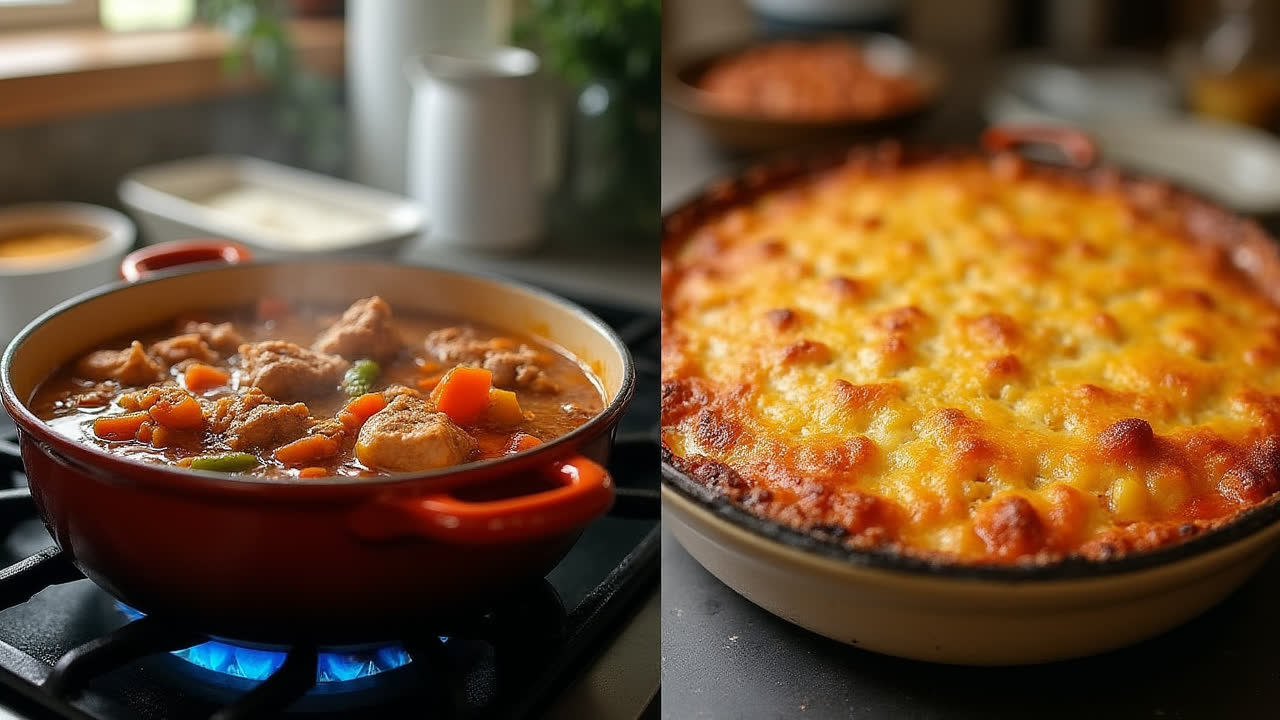
A stew is more than just a meal—it's a time-honored cooking method that transforms tough cuts of meat and simple vegetables into something magical. At its core, stewing involves cooking ingredients slowly in liquid within a covered pot, typically on a stovetop. The beauty of this method lies in its ability to break down tough fibers in meat, creating fork-tender results that simply melt in your mouth.
Traditional stews feature meat cut into uniform, bite-sized pieces that are completely submerged in cooking liquid. This liquid—which might be water, stock, wine, beer, or a combination—creates an environment where flavors meld together beautifully while keeping everything wonderfully moist. Beef stews might use chuck or round cuts, while chicken stews often utilize tougher dark meat that benefits from longer cooking times.
One characteristic that distinguishes stews is their generous amount of gravy. Since the ingredients are fully immersed in liquid during cooking, and the pot is typically covered to prevent evaporation, stews naturally develop a rich, flavorful sauce. This gravy becomes an essential part of the dish, perfect for sopping up with crusty bread or ladling over mashed potatoes.
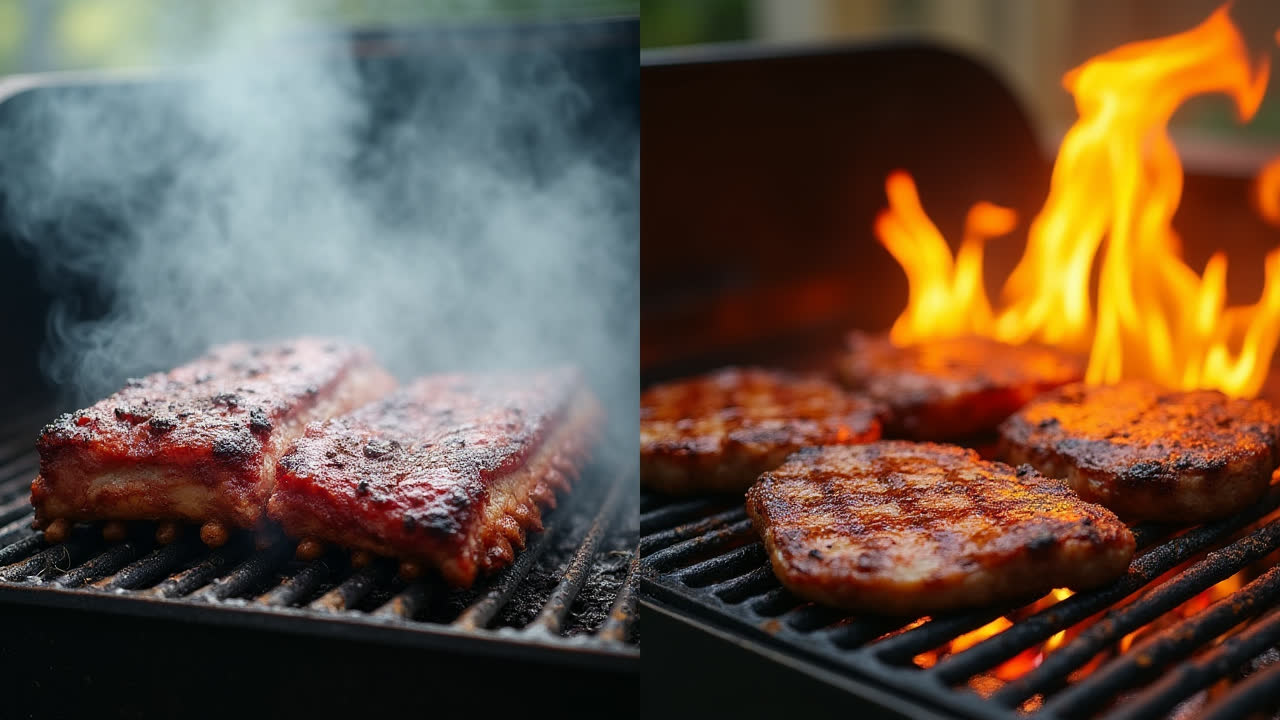
The direct heat application from the bottom of the cooking vessel creates a unique cooking environment. Heat radiates upward through the liquid, creating gentle convection currents that help distribute flavors throughout the dish. This bottom-up heating approach is quite different from the all-around heat circulation found in oven cooking methods.
What Makes a Casserole Unique?
Casseroles represent another brilliant approach to one-pot cooking, with some key differences that set them apart. The term "casserole" actually refers to both the cooking vessel—typically a large, deep dish that can go from oven to table—and the food prepared in it. This dual meaning hints at the versatility that makes casseroles so beloved in home kitchens around the world.
Unlike stews, casseroles are primarily cooked in the oven, where heat circulates more evenly around the cooking vessel. This all-around heat distribution creates different cooking dynamics, often resulting in those deliciously browned edges and crispy tops that casserole enthusiasts crave. Many casseroles are cooked uncovered for at least part of their cooking time, allowing for beautiful browning and some evaporation of liquids.
The ingredient composition of casseroles also tends to differ from stews. While stews generally start with raw ingredients that cook together over time, casseroles often incorporate pre-cooked components. A typical American casserole might feature cooked pasta, rice, or potatoes as a starchy base, pre-browned meat, and vegetables bound together with a sauce, topped with cheese or breadcrumbs for that signature crispy finish.
The texture variation within a casserole is one of its most appealing attributes. From the crispy top layer to the creamy middle and sometimes slightly firmer bottom, each bite offers contrasting experiences. This textural diversity simply isn't possible with stovetop stewing methods, where everything cooks in a similar liquid environment.
Key Differences Between Stews and Casseroles
| Feature | Stew | Casserole |
|---|---|---|
| Cooking Location | Primarily stovetop | Primarily oven |
| Heat Distribution | Applied directly to bottom of vessel | Circulates evenly throughout oven |
| Vessel Covering | Usually covered throughout cooking | Often uncovered for part of cooking time |
| Ingredient State | Typically raw ingredients cooked together | Often includes pre-cooked ingredients |
| Liquid Content | High liquid content; ingredients fully submerged | Moderate liquid content; ingredients partially submerged |
| Texture Profile | Uniform throughout with abundant sauce/gravy | Varied textures with crispy top and moister interior |
| Serving Method | Usually transferred to serving dish | Often served in the cooking vessel |
| Topping Elements | Rarely includes toppings | Often features cheese, breadcrumb, or crispy toppings |
The Cultural Significance of Stews and Casseroles
Both cooking methods have deep roots in culinary traditions around the world. Stews represent one of humanity's oldest cooking techniques—archaeological evidence suggests our ancestors were stewing meats as far back as 8,000 years ago! Every culture seems to have its signature stew: French Beef Bourguignon with its red wine base, Hungarian Goulash with its distinctive paprika, Irish Lamb Stew with its hearty vegetables, or Moroccan Tagine with its complex spice profile.
Casseroles as we know them today gained tremendous popularity in mid-20th century America, though the concept has existed much longer. The classic American casserole—often featuring convenient ingredients like canned soups and frozen vegetables—became a staple during the post-war era when efficiency and stretching ingredients were priorities for many households. Meanwhile, European versions like moussaka (Greek), shepherd's pie (British), and lasagna (Italian) showcase the global appeal of the casserole concept.
I remember my grandmother's famous beef stew, which would simmer all day on a back burner, the aroma seducing everyone who entered her kitchen. She guarded her recipe fiercely, though I later discovered her secret ingredient was a splash of Worcestershire sauce and a pinch of cocoa powder! Meanwhile, my mother was known for her tuna noodle casserole—admittedly made with canned soup—that somehow always tasted better than anyone else's version.
When to Choose Each Cooking Method
Understanding when to opt for stewing versus when to make a casserole can help you become a more versatile cook. Consider stewing when you're working with tougher cuts of meat that need long, moist cooking to become tender. Chuck roast, lamb shoulder, chicken thighs, and similar cuts transform beautifully in a stew. Stewing is also ideal when you want a dish with plenty of rich gravy to serve over starches like mashed potatoes, rice, or noodles.
Choose the casserole method when you want contrasting textures in your dish—particularly that irresistible crispy top. Casseroles excel at transforming leftovers into something new and exciting; last night's roast chicken and vegetables can become today's delicious chicken and rice casserole with the addition of a simple sauce and cheese topping. Casseroles are also perfect for make-ahead meals that can be assembled earlier in the day and popped into the oven when needed.
Weather might even influence your choice—stews can sometimes feel heavier and more suited to the coldest winter days, while many casseroles work well year-round. Then again, who am I to judge if you crave beef stew in August? I've certainly been known to fire up the stovetop for a summery seafood stew even when the temperature outside is pushing 90 degrees!
Innovative Crossover Techniques
Modern cooking has blurred the lines between these traditional methods. Many contemporary recipes now combine elements of both techniques to achieve the best of both worlds. For instance, you might start a dish on the stovetop using stewing techniques to develop flavors and tenderize meat, then transfer it to the oven uncovered for the final cooking phase to achieve that desirable casserole-like browned top.
Multicookers and slow cookers have also revolutionized how we approach these dishes. A programmable slow cooker can simulate stovetop stewing with remarkable results, while the "slow cook" and "sauté" functions on multicookers allow for hybrid techniques without transferring between cooking vessels. Some even feature broiling lids that can brown the tops of casserole-style dishes!
I've experimented with starting a beef bourguignon in my Dutch oven on the stovetop, then transferring it to the oven uncovered for the last 30 minutes with a sprinkling of crispy fried onions on top. The result was a wonderful hybrid—tender, stew-like meat in rich gravy, crowned with crispy elements you'd expect from a casserole. Don't be afraid to bend the rules and find your own signature approach!
Frequently Asked Questions
Can I convert a stew recipe to a casserole or vice versa?
Yes, many recipes can be adapted between methods with some adjustments. To convert a stew to a casserole, you'll typically want to reduce the liquid by about one-third, since casseroles have less evaporation. You might also add a starchy component like pasta or potatoes and a crispy topping. When converting a casserole to a stew, increase the liquid content, ensure meat pieces are fully submerged, and plan for longer cooking time on the stovetop with the lid on. Be aware that texture differences will exist between the methods, so some recipes convert more successfully than others.
Which method is better for meal prepping and freezing?
Both stews and casseroles freeze exceptionally well, making them perfect for meal prep. Stews sometimes have a slight advantage because their higher moisture content protects against freezer burn and texture changes. When freezing casseroles, consider freezing them before the final baking stage—assemble completely, then freeze, and bake from frozen when needed (adding extra time). For stews, cool completely before freezing in portion-sized containers. Both should be used within 3 months for best quality and defrosted in the refrigerator overnight before reheating.
What are the best cooking vessels for stews and casseroles?
For stews, heavy-bottomed pots that distribute heat evenly are ideal—Dutch ovens, especially enameled cast iron ones, excel at this job. Their weight and thickness prevent scorching and help maintain steady temperatures. For casseroles, ceramic or glass baking dishes work well for most recipes, especially those with acidic ingredients. Deeper dishes help prevent drying out. However, versatile cookware like Dutch ovens can be used for both methods, making them a worthy investment. Metal baking pans can work for casseroles but may cook faster and hotter than ceramic, so monitor cooking times closely.
Conclusion
Whether you're team stew or team casserole—or happily enjoy both—understanding the fundamental differences between these cooking methods opens up new possibilities in your kitchen. The next time you're planning a comforting meal, consider which approach will best highlight your ingredients and deliver the experience you're craving. Will it be a rich, gravy-laden stew simmered lovingly on the stovetop, or a textural delight of a casserole with its signature crispy top fresh from the oven?
Both techniques have earned their place in culinary history and on our dinner tables for good reason. They transform humble ingredients into something greater than the sum of their parts, creating meals that nourish both body and soul. So grab your favorite pot or casserole dish—or perhaps try that innovative hybrid approach—and create your next masterpiece of comfort food. Your family and friends will thank you, and you'll be participating in cooking traditions that have sustained people for generations.