Wheat Germ vs Wheat Bran: Key Differences and Health Benefits
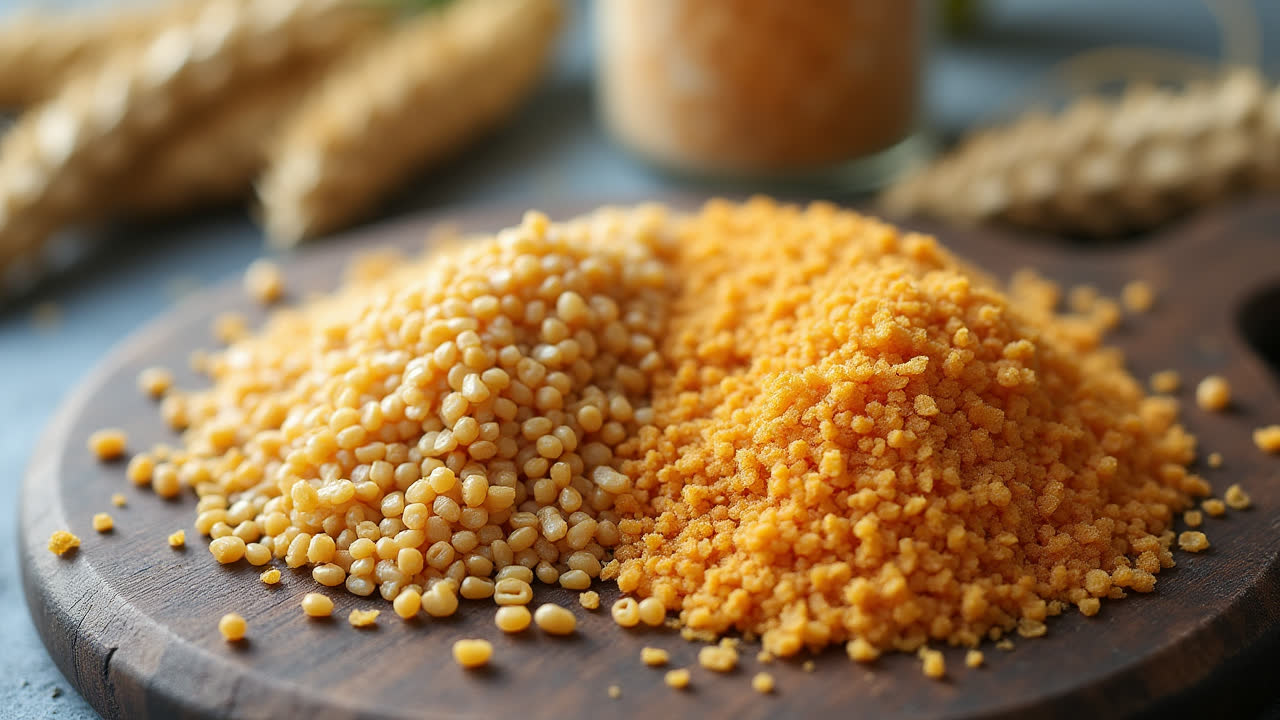
Have you ever wondered what makes whole wheat so nutritious? The answer lies in its components, particularly wheat germ and wheat bran. These two parts of the wheat kernel offer impressive nutritional benefits, yet they serve completely different purposes both in the grain itself and in our diets. I've been incorporating both into my meals for years, and the difference in how they affect my energy levels and digestion is remarkable!
Wheat is one of the world's most consumed grains, a staple food that provides essential carbohydrates and plant-based protein. But when wheat is processed into white flour, the most nutritious parts—the germ and bran—are often removed. This refinement process strips away valuable nutrients and dietary fiber that could help reduce the risk of various health conditions, including Type 2 diabetes.
This comprehensive guide explores the fundamental differences between wheat germ and wheat bran, their unique nutritional profiles, health benefits, and practical ways to incorporate them into your diet. Whether you're looking to boost your fiber intake, increase your protein consumption, or simply make more informed dietary choices, understanding these two wheat components can significantly enhance your nutritional knowledge.
Understanding the Wheat Kernel Structure
Before diving into the specific differences, it's helpful to understand where wheat germ and wheat bran are located within the wheat kernel. The wheat kernel (or wheat berry) consists of three distinct parts:
- Endosperm: The largest portion (about 83%) of the wheat kernel, containing starch, proteins, and some vitamins and minerals. This is what becomes white flour after processing.
- Germ: The embryo or reproductive part (about 2.5%) that can sprout into a new wheat plant. Despite its small size, it packs significant nutritional value.
- Bran: The protective outer layer (about 14.5%) that contains fiber, antioxidants, B vitamins, and minerals.
When wheat undergoes the milling process to create white flour, both the germ and bran are separated from the endosperm. These components can then be consumed separately as nutritional supplements or added back to create whole wheat products. I remember visiting a traditional mill in Vermont where they showed how each part is carefully separated—it's quite a fascinating process that has been refined over centuries!
The distinct location and function of these components within the wheat kernel directly influence their nutritional composition and the benefits they offer when included in our diets. The endosperm primarily provides energy through carbohydrates, while the germ and bran deliver most of the micronutrients and fiber that make whole grains so valuable for our health.
What is Wheat Germ?
Wheat germ is the heart of the wheat kernel—literally the reproductive part of the grain that would grow into a new wheat plant under the right conditions. Despite making up only about 2.5% of the total kernel weight, wheat germ is incredibly nutrient-dense. It has a slightly sweet, nutty flavor and a pleasant, grainy texture that adds character to many foods.
During commercial milling, wheat germ is typically removed because its high fat content can cause rancidity, reducing the shelf life of flour products. However, this separated wheat germ becomes a valuable nutritional supplement in its own right. You might find it sold as raw wheat germ or toasted wheat germ in health food stores and supermarkets.
Nutritionally, wheat germ is a powerhouse. It contains concentrated amounts of essential nutrients, including:
- High-quality plant protein (about 23g per 100g)
- Healthy fats, including omega-3 and omega-6 fatty acids
- Vitamins, particularly vitamin E (a powerful antioxidant) and B vitamins (B1, B2, B6, folate)
- Minerals such as zinc, magnesium, iron, potassium, and phosphorus
- Some dietary fiber (about 13g per 100g)
I've found that adding just two tablespoons of wheat germ to my morning smoothie gives me sustained energy throughout the day—something I noticed was missing when I ran out for a couple of weeks. The combination of healthy fats, proteins, and complex carbohydrates provides slow-release energy that helps maintain blood sugar levels between meals.
Because of its nutritional density, wheat germ is particularly beneficial for those looking to gain weight in a healthy way, build muscle mass, or supplement their diet with additional nutrients. Athletes and individuals with high energy requirements often use wheat germ as a nutritional booster. However, due to its relatively high calorie content (360 calories per 100g), those watching their caloric intake should be mindful of portion sizes.
What is Wheat Bran?
Wheat bran is the protective outer covering of the wheat kernel, making up about 14.5% of the grain. It serves as a shield for the endosperm and germ, protecting the vital reproductive part of the seed. When wheat is processed, this tough, fibrous layer is removed and becomes what's known as miller's bran. Unlike wheat germ's nutty flavor, wheat bran has a more distinct, somewhat bitter taste and a rougher texture.
The primary nutritional contribution of wheat bran is its exceptional fiber content—specifically insoluble fiber. This type of fiber doesn't dissolve in water but passes through our digestive system largely intact. One day when I had stomach issues, my nutritionist specifically recommended adding wheat bran to my diet, explaining how its unique fiber composition helps maintain digestive health.
Nutritionally, wheat bran offers:
- Extremely high insoluble fiber content (about 43g per 100g)
- Moderate protein content (about 16g per 100g)
- Low fat content (about 4g per 100g)
- B vitamins, particularly niacin (B3)
- Minerals including magnesium, phosphorus, zinc, copper, and manganese
- Antioxidants, including ferulic acid and phytic acid
With only 216 calories per 100g and its high fiber content, wheat bran is particularly valuable for weight management and digestive health. The insoluble fiber in wheat bran increases stool bulk, helping to prevent constipation and promote regular bowel movements. Research has also shown that wheat bran's fiber may help reduce the risk of certain types of cancer, particularly colon cancer, by speeding the passage of waste through the intestines and binding to potential carcinogens.
Many breakfast cereals highlight their wheat bran content for good reason—it's one of nature's most effective digestive regulators. However, when adding wheat bran to your diet, it's important to increase water intake simultaneously, as fiber without adequate hydration can actually worsen constipation rather than alleviate it.
Key Differences Between Wheat Germ and Wheat Bran
| Comparison Point | Wheat Germ | Wheat Bran |
|---|---|---|
| Location in Wheat Kernel | The embryo (reproductive part) | The outer protective layer |
| Function in the Plant | Grows into a new wheat plant | Protects the endosperm and germ |
| Calories (per 100g) | 360 calories | 216 calories |
| Total Fat (per 100g) | 10g | 4g |
| Total Carbohydrates (per 100g) | 52g | 65g |
| Dietary Fiber (per 100g) | 13g | 43g |
| Protein (per 100g) | 23g | 16g |
| Sodium (per 100g) | 12mg | 2mg |
| Key Nutritional Highlight | Rich in healthy fats and vitamin E | Exceptionally high in insoluble fiber |
| Effect on Weight | May promote weight gain when used in sufficient quantities | Typically associated with weight management and loss |
| Taste Profile | Slightly sweet and nutty | Slightly bitter with grainy texture |
| Common Uses | Baking, smoothies, yogurt topping | Breakfast cereals, baking, fiber supplement |
Health Benefits and Uses
Wheat Germ Benefits and Uses
Nutritional Powerhouse: Wheat germ offers a concentrated source of nutrients, making it an excellent supplement for those looking to increase their intake of essential vitamins and minerals without significantly altering their diet. Its rich vitamin E content functions as an antioxidant, helping to protect cells from damage caused by free radicals.
Heart Health Support: The omega-3 fatty acids found in wheat germ may contribute to heart health by helping to reduce inflammation and improve cholesterol levels. Additionally, the plant sterols it contains have been shown to help lower LDL (bad) cholesterol levels.
Muscle Building and Recovery: With its high protein content and quality amino acid profile, wheat germ can support muscle repair and growth, making it a valuable addition to post-workout nutrition. Many athletes incorporate wheat germ into their regimen for this reason.
Common uses for wheat germ include:
- Substituting up to 1/2 cup of flour with wheat germ in baking recipes
- Adding 1-2 tablespoons to smoothies, yogurt, or oatmeal
- Using as a topping for ice cream or fruit
- Incorporating into homemade granola or energy bars
- Mixing into meatballs or veggie burgers as a binder
Wheat Bran Benefits and Uses
Digestive Health: The high insoluble fiber content in wheat bran promotes regular bowel movements and helps prevent constipation. This fiber adds bulk to stool and speeds transit time through the digestive tract, potentially reducing exposure to harmful substances.
Weight Management: Fiber-rich wheat bran can create a feeling of fullness, potentially reducing overall calorie intake. Its low calorie density means you can consume a satisfying volume without excessive calories. I've personally found that adding wheat bran to my breakfast keeps hunger at bay much longer than when I eat something more processed.
Blood Sugar Regulation: The fiber in wheat bran may help slow the absorption of sugar into the bloodstream, potentially helping to manage blood glucose levels and reduce the risk of type 2 diabetes.
Common uses for wheat bran include:
- Adding to breakfast cereals or oatmeal
- Incorporating into muffin, bread, or pancake recipes
- Sprinkling on salads for added texture
- Using as a topping for casseroles or gratins
- Mixing into smoothies (though this may affect texture)
How to Incorporate Wheat Germ and Wheat Bran Into Your Diet
Adding these nutritional powerhouses to your diet doesn't have to be complicated. Here are some practical tips based on my own experience and culinary experiments:
Start Small: If you're new to wheat germ or wheat bran, begin with small amounts to allow your digestive system to adjust, especially with wheat bran. I remember the first time I added too much wheat bran to my oatmeal—let's just say I spent more time in the bathroom than I'd planned that day! A tablespoon or two is plenty to start with.
Storage Matters: Due to its fat content, wheat germ can go rancid relatively quickly. Store it in an airtight container in the refrigerator or freezer to extend its shelf life. Wheat bran has a longer shelf life but still benefits from cool, dry storage.
Complementary Combinations: Wheat germ and wheat bran can actually work well together in recipes. The nuttiness of wheat germ can help balance the more bitter notes of wheat bran. Try using both in homemade granola or energy bars for a nutritional boost.
Hydration is Key: When increasing your intake of wheat bran, be sure to increase your water consumption as well. Fiber without adequate water can lead to digestive discomfort rather than benefits.
Creative Applications: Beyond the obvious uses, try these innovative ways to incorporate wheat germ and bran:
- Use wheat germ as part of a coating for baked chicken or fish
- Add wheat bran to homemade soup as a thickener
- Blend wheat germ into homemade nut butters for added nutrition
- Mix wheat bran into ground meat for burgers or meatballs
- Incorporate either into homemade pet treats (check with your vet first)
Remember that while both wheat germ and wheat bran offer significant health benefits, they also contain phytic acid, which can inhibit mineral absorption if consumed in very large quantities. As with most nutritional supplements, moderation and variety are key to a balanced approach.
Frequently Asked Questions About Wheat Germ and Wheat Bran
Can wheat germ and wheat bran be used interchangeably in recipes?
No, wheat germ and wheat bran cannot be used interchangeably due to their different nutritional profiles and culinary properties. Wheat germ has a nuttier flavor and higher fat content, making it better for recipes where you want richness or a protein boost. Wheat bran has a more fibrous texture and works better in recipes where fiber content is the goal. They also absorb liquids differently—wheat bran absorbs significantly more moisture than wheat germ, so substituting one for the other would require adjustments to the liquid content of your recipe.
Are wheat germ and wheat bran suitable for people with gluten sensitivities or celiac disease?
No, neither wheat germ nor wheat bran is suitable for individuals with celiac disease or non-celiac gluten sensitivity. Both components are derived from wheat, which naturally contains gluten proteins. For those who need to avoid gluten, alternatives like rice bran, oat bran (certified gluten-free), or ground flaxseed can provide similar nutritional benefits without the gluten. Always check product labels carefully, as cross-contamination can occur during processing, even with naturally gluten-free grains.
How much wheat germ or wheat bran should I consume daily for health benefits?
For wheat germ, a typical serving is 2-4 tablespoons (about 15-30g) daily, which provides a good nutritional boost without excessive calories. For wheat bran, most health professionals recommend starting with 1-2 tablespoons (about 8-16g) daily and gradually increasing to around 1/4 cup (about 30g) as your digestive system adjusts. It's important to increase your water intake proportionally when adding more wheat bran to your diet. These recommendations may vary based on individual needs, overall diet, and specific health goals, so consulting with a healthcare provider or dietitian for personalized advice is always recommended.
Conclusion: Making Informed Choices for Your Health
Understanding the differences between wheat germ and wheat bran allows you to make more informed dietary choices based on your specific nutritional needs and health goals. While wheat germ offers concentrated nutrients, healthy fats, and protein that can support energy levels and muscle development, wheat bran provides exceptional fiber content that promotes digestive health and may aid in weight management.
Both of these wheat components offer valuable benefits that are often lost in the refining process that creates white flour. By intentionally incorporating wheat germ, wheat bran, or both into your diet, you can recapture some of the nutritional advantages of whole grains even when consuming products made with refined flour.
Remember that dietary changes should be made gradually, especially when increasing fiber intake. Listen to your body's responses and adjust accordingly. And while both wheat germ and wheat bran are nutritional powerhouses, they're most effective as part of a varied, balanced diet rich in diverse whole foods.
Have you tried incorporating wheat germ or wheat bran into your diet? Which recipes have worked best for you? The journey to optimal nutrition is personal and ongoing—experimenting with these natural, minimally processed wheat components might just be the next step in yours.